



The Modern Urban Dilemma
For millions of young professionals, students, and nuclear families in India's metros, the day is a race against time. Long work hours and exhausting commutes leave little energy for the elaborate process of traditional Indian cooking. Yet, the desire
for the comfort and nourishment of a home-cooked meal remains strong. This has created a gap that fast food and generic restaurant takeaways cannot fill. The growing demand for convenient food solutions is a direct reflection of these changing lifestyles. Consumers are increasingly seeking meal options that are not just quick and easy, but also healthy, authentic, and reminiscent of home.
The Tiffin Service 2.0
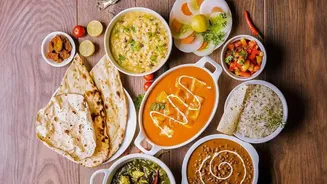
The iconic dabbawala of Mumbai has long been a symbol of efficient home-food delivery. Today, that legacy is being reimagined for the digital age. Modern tiffin services, often accessible through sleek mobile apps, have transformed the traditional model. These platforms offer customisable meal plans, calorie-counted options, and menus catering to specific dietary needs like diabetic-friendly or high-protein diets. They connect customers with a network of verified home chefs, ensuring that the food is not just convenient but also hygienic and prepared with care, offering a reliable alternative to restaurant food for daily meals.
Rise of the Speciality Cloud Kitchen
Beyond the daily dal and roti, a new wave of 'cloud kitchens' or delivery-only establishments is catering to more specific cravings. These kitchens are moving beyond standard North Indian fare to offer niche and regional specialities. Now, a Bengali living in Bengaluru can order authentic shorshe ilish, or a family in Delhi can sample traditional Odia cuisine, all from a kitchen that exists only online. This model allows chefs to focus on authenticity and quality without the overheads of a full-fledged restaurant, bringing the diverse culinary heritage of India directly to the consumer's doorstep.
The DIY Revolution: Ready-to-Cook Kits
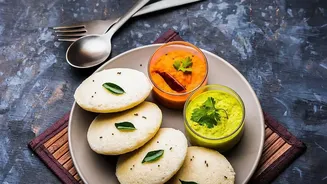
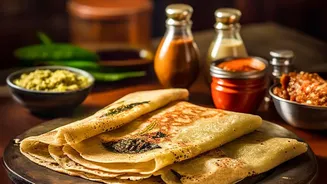
For those who still enjoy the process of cooking but lack the time for extensive prep work, the ready-to-cook (RTC) market is booming. This category has seen explosive growth, far outpacing the overall packaged food market. From pre-cut vegetables and marinated meats to fresh dosa and idli batter and complex curry pastes, RTC products empower even novice cooks to create authentic traditional dishes in minutes. This approach offers a middle path, combining the satisfaction of a freshly prepared meal with the convenience required by a fast-paced urban life. It's less about not cooking and more about making cooking smarter and faster.
A Return to Health and Heritage
This redefinition of convenience is about more than just saving time. It's driven by a growing consciousness around health and a desire to connect with one's roots. Consumers are actively seeking out nutritious, preservative-free options and are more interested than ever in where their food comes from. These new food models are seen as a way to avoid the unhealthiness of processed foods while still accommodating a busy schedule. By making traditional recipes accessible, they are helping a generation of urban Indians maintain a connection to their culinary heritage, ensuring that familiar flavours are not lost in the hustle of modern life.