


The Original Water Cooler
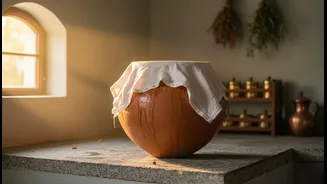
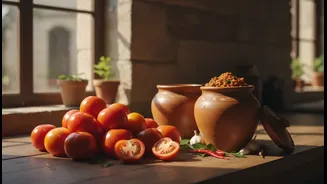
The humble matka, or earthen clay pot, is perhaps the most iconic example of traditional Indian refrigeration. Its genius lies in simple physics: evaporative cooling. The porous clay allows a tiny amount of water to seep to the outer surface, where it evaporates.
This process draws heat from the water inside, naturally chilling it to a temperature that is refreshingly cool but gentle on the throat, unlike ice-cold fridge water. For centuries, this has been the go-to method for storing drinking water, requiring no electricity and providing a cooling solution that is both effective and eco-friendly. Beyond cooling, storing water in clay pots is also believed to help purify the water and balance its pH levels, making it healthier.
Preservation Through Pickling and Fermentation
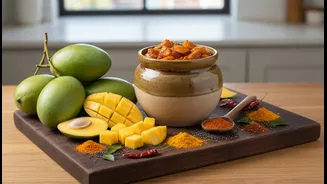
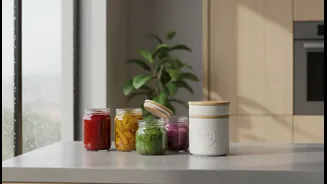
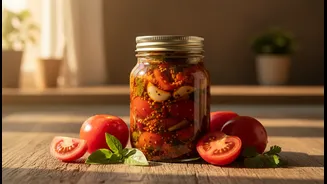
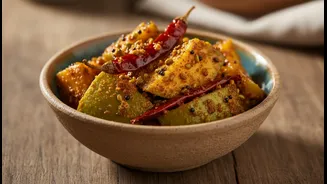
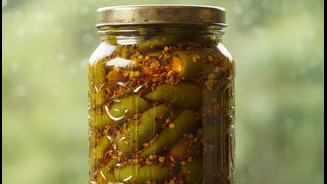
Before freezers, there was fermentation. Indian culinary traditions have a long and rich history of using pickling (making achaar) and fermentation to preserve seasonal produce for months, even years. This isn't just about extending shelf life; it's about transformation. The process, which often involves salt, oil, spices, and sometimes sun-drying, creates an environment where beneficial microbes thrive. These microbes, like lactobacilli, not only act as natural preservatives but also enhance the nutritional value of the food, creating probiotics that are excellent for gut health. From tangy mango pickles to fermented dosa batter, this technique locks in flavour while making food more digestible and nutritious.
Harnessing the Power of the Sun
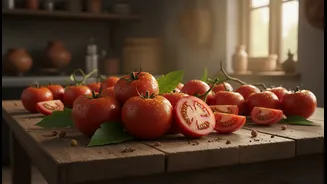
In a sun-drenched country, it's no surprise that drying has been a primary method of food preservation for millennia. By laying out vegetables, fruits, and spices under the sun, the moisture content is drastically reduced, which inhibits the growth of bacteria and mould that cause spoilage. This method was used to create staples like amchur (dry mango powder), kasuri methi (dried fenugreek leaves), and sun-dried chillies. Modern solar dryers are now updating this traditional practice, making it more efficient while still relying on clean energy. The process concentrates the food's natural flavours, creating ingredients with an intense, complex taste.
Keeping Vegetables Fresh Without a Fridge
Long before crisper drawers were invented, Indian households had clever, zero-energy ways to store vegetables. Root vegetables like onions and potatoes were kept in cool, dark, and well-ventilated areas, often in bamboo trays or hung in net bags to ensure proper airflow. Leafy greens such as spinach and coriander were wrapped in a damp cloth to maintain moisture and prevent wilting. Some root vegetables were even stored in sand pits to keep them cool and fresh. These methods were based on a deep understanding of how different vegetables behave and what they need to stay fresh, separating ethylene-producing fruits from sensitive vegetables to prevent premature ripening.
Grinding with Stone, Not Speed
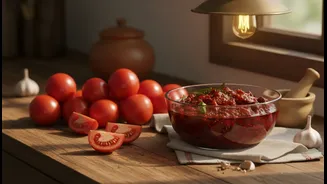
The flavour of a chutney or spice mix made on a traditional sil batta (stone grinder) is often described as superior to one made in an electric mixer, and there's a reason for it. High-speed mixer blades generate heat, which can alter the delicate chemical compounds and essential oils in spices and herbs, often making them taste slightly bitter. The slow, crushing motion of a stone grinder releases these oils and flavours without generating heat. This method preserves the ingredients' natural aroma and taste, resulting in a richer, more complex flavour profile that modern gadgets struggle to replicate. It turns cooking from a quick task into a more mindful, sensory experience.