



Beyond the Postcard Picture
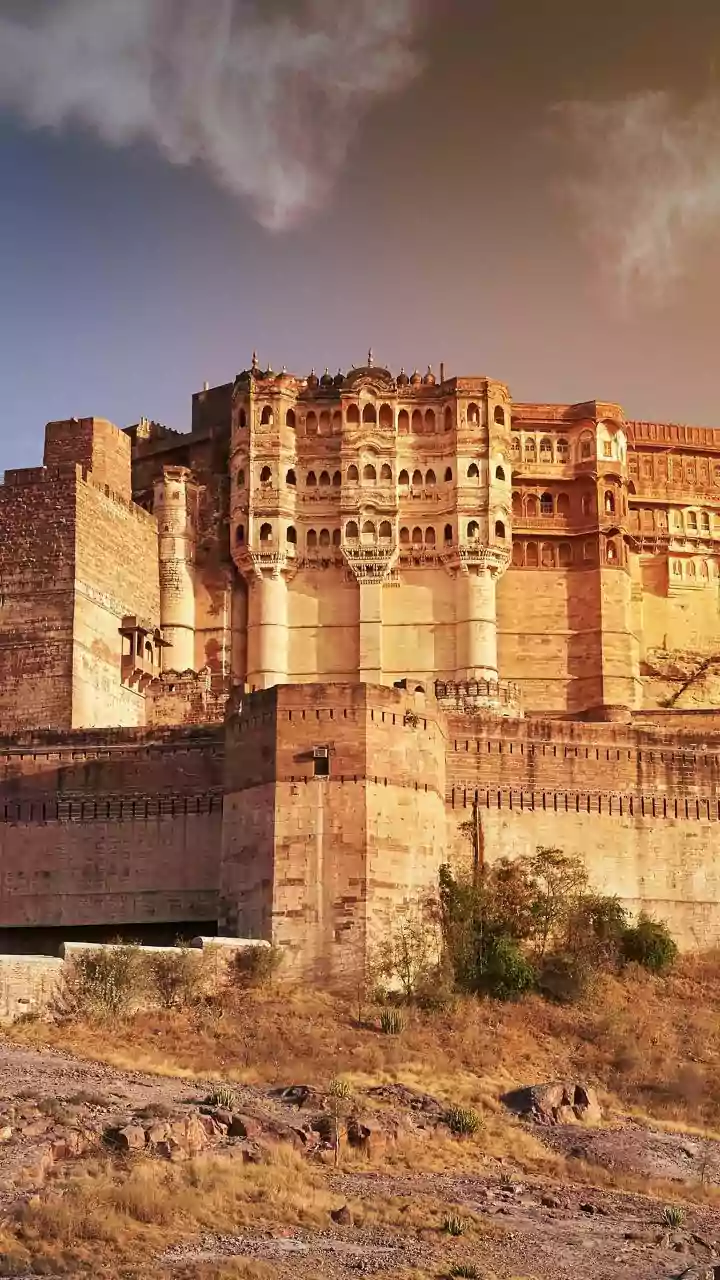
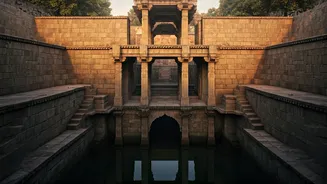
When we hear ‘heritage travel’, our minds might jump to grand tours of Rajasthan’s forts or the majestic ruins of Hampi. While that’s part of it, a more personal, powerful trend is emerging. This new wave of heritage travel is less about visiting a monument
and more about visiting your own history. It’s the journey back to your ancestral village, or ‘gaon’, the one your grandparents talk about. It’s exploring the region your family migrated from generations ago, tasting the foods you’ve only heard stories about, and standing in the courtyard of a home that carries your name. For many urban Indians, this connection to a specific place, a ‘native place’, is a core part of their identity, yet it often feels distant. Heritage travel is closing that gap. It’s about tracing the thread of your personal story, whether it leads to a sprawling ‘tharavadu’ in Kerala, a modest home in a Kumaoni village, or a historic ‘haveli’ in Gujarat.
The Weekend ‘Glow-Up’
So, what’s the ‘glow-up’? It’s the transformation of this journey from a logistical nightmare into an accessible and even luxurious long-weekend affair. The ‘short-trip’ element is key. Previously, a trip back to the ancestral village might have involved complex train journeys, uncertain accommodation, and a significant time commitment. Today, that is changing dramatically. The ‘glow-up’ is powered by a few key factors. Improved roads and regional flights have made remote areas more accessible. Furthermore, a boom in boutique hospitality means you’re no longer limited to staying with distant relatives. Many ancestral properties, from Chettinad mansions to colonial-era bungalows in the hills, are being lovingly restored and converted into homestays and heritage hotels. This offers the best of both worlds: the authentic atmosphere of a family home combined with modern comforts, curated meals, and professional service. The glow-up, in essence, is about adding comfort, style, and convenience to a journey of deep personal meaning.
Why Now? The Millennial & Gen Z Push
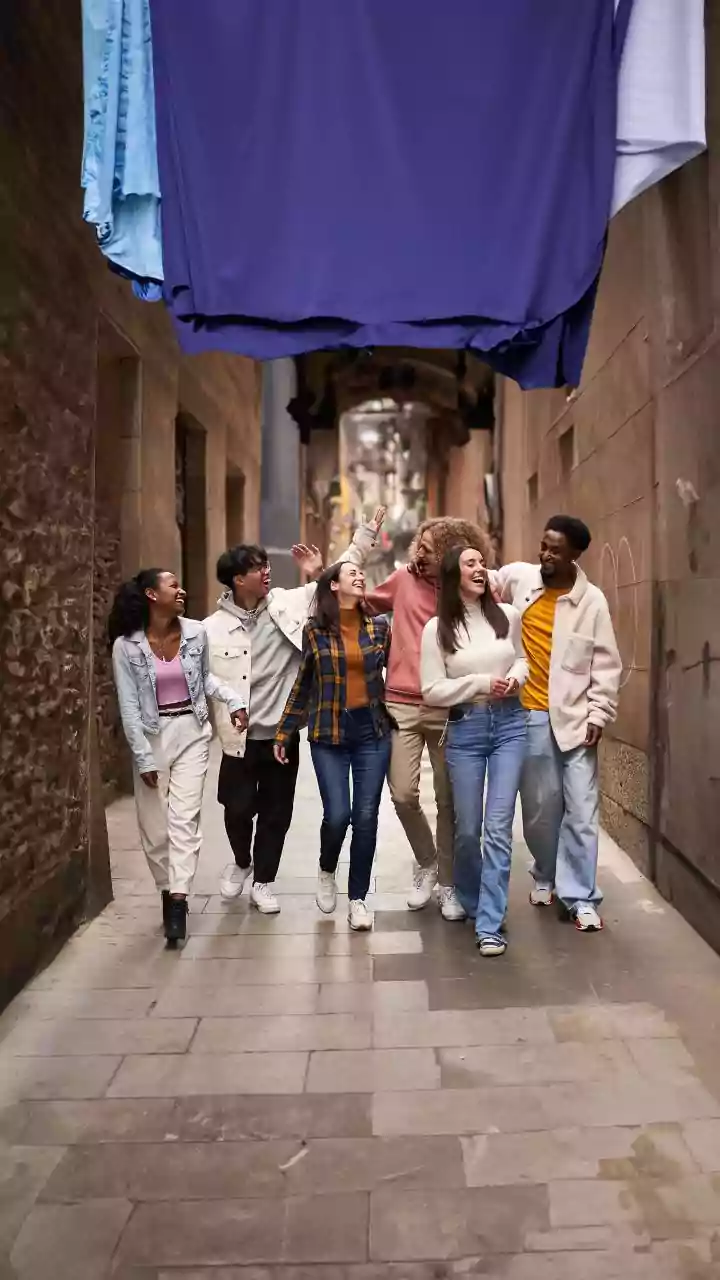
This trend is being driven primarily by younger, upwardly mobile Indians. After years of chasing international travel goals, many are turning inward, seeking more meaningful experiences closer to home. The pandemic played a role, sparking a renewed appreciation for domestic travel and family connections. For a generation living fast-paced, often disconnected urban lives, a trip that reinforces their identity and sense of belonging is incredibly appealing. Technology and social media are also major catalysts. Digital archives and family stories shared on WhatsApp groups spark curiosity. The visual nature of Instagram makes sharing a journey to a beautifully restored ancestral home aspirational. It’s not just about finding your roots; it’s about documenting and sharing that discovery. This digital-native generation is adept at planning—finding the perfect stay on Airbnb, hiring a local guide for a village walk, and piecing together a rich, short-form itinerary that their parents might have taken a month to experience.
Your Roots, Reimagined
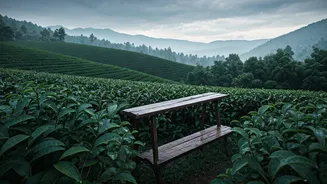
What does this look like in practice? It could be a software engineer from Bengaluru taking a three-day trip to explore the coffee plantations in Coorg where her great-grandfather worked. She stays in a restored planter’s bungalow, learns about the coffee-making process, and visits the local temple her family once prayed at. Or it could be a family from Mumbai driving to their ancestral village in the Konkan for a weekend, not just for a festival, but to show their children the small school their grandfather attended and the mango orchard he planted. Tour operators are catching on, offering curated experiences that go beyond simple sightseeing. These can include cooking classes focusing on regional family recipes, guided walks with a local historian who can bring village stories to life, or even sessions that help you trace your family tree with the help of local records. The focus is shifting from passive observation to active participation in your own heritage.