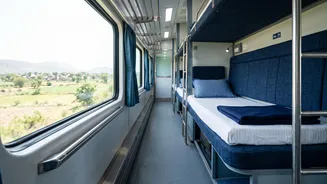





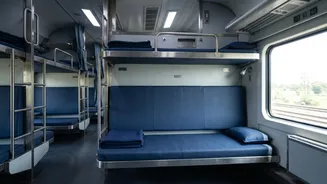

Decoding the Lower Berth Quota
The term 'settings' in the headline refers to a specific provision by Indian Railways known as the Lower Berth Quota or Senior Citizen Quota. This is not a feature that any passenger can simply toggle on, but a dedicated reservation system designed to help
specific groups of travellers. In every Sleeper, AC 3-Tier, and AC 2-Tier coach, a fixed number of lower berths are set aside. For example, Sleeper Class coaches typically have six to seven lower berths reserved under this quota, while AC coaches have slightly fewer. This system automatically prioritises eligible passengers for these convenient, ground-level seats, taking much of the anxiety out of the booking process. It’s a priority system, which means it works as long as berths within the quota are available.
Who Is Eligible for This Benefit?
Eligibility for the Lower Berth Quota is clearly defined and based on age and gender. Male passengers aged 60 years and above qualify as senior citizens and are eligible. For female passengers, the eligibility criteria are more generous; women aged 45 and above can avail this facility. Pregnant women are also eligible for this quota, though they may need to book at a physical counter and present a medical certificate. It is crucial to enter the correct age and gender details while booking, as the IRCTC system uses this information to automatically identify and assign passengers to the quota.
The Booking 'Secret': One or Two at a Time
One of the most common mistakes travellers make is booking an eligible senior citizen along with a younger, non-eligible family member on the same ticket. The Lower Berth Quota is strictly applied only when one or a maximum of two eligible passengers are travelling on a single PNR (Passenger Name Record). If a 65-year-old is booked with their 40-year-old child on the same ticket, the system defaults to the General Quota, and the lower berth priority is lost. The correct strategy is to book separate tickets: one for the eligible senior(s) under the Senior Citizen Quota, and another for the accompanying family members under the General Quota.
Planning Your Budget: It's About More Than Fares
The headline's mention of budgeting refers to avoiding indirect costs and stress, not a direct discount on the ticket price. Currently, Indian Railways does not charge extra for lower berths, and the fare is the same regardless of berth position. The senior citizen fare concession, which was previously available, has been suspended since March 2020 and had not been restored as of late 2026. The 'budgeting' benefit comes from the peace of mind and predictability this quota offers. Securing a lower berth in advance eliminates the stress and uncertainty of having to negotiate with co-passengers for a swap or worrying about the physical strain of climbing to an upper or middle berth. This allows for better planning and a more comfortable journey without unforeseen hassles.
How to Maximise Your Chances
To increase your odds of success, booking as early as possible is key, as the reserved quota berths are allocated on a first-come, first-served basis. When booking on the IRCTC website or app, you should explicitly select 'Lower' as your berth preference. Furthermore, IRCTC offers a powerful option during booking: 'Book only if at least one lower berth is allotted'. Selecting this ensures that your ticket will not be booked—and your money not deducted—if the system cannot assign you a lower berth, preventing the stress of getting an undesirable allocation.
What If You Still Don't Get a Lower Berth?
Even with careful planning, there might be instances where all lower berths under the quota are already taken. If you are allotted an upper or middle berth, not all is lost. After boarding the train, you can politely approach the Travelling Ticket Examiner (TTE). Railway rules authorise TTEs to allot any vacant lower berths—which become available due to last-minute cancellations or no-shows—to onboard senior citizens, pregnant women, or persons with disabilities on a priority basis. A polite request to co-passengers can also work, as many younger travellers are often willing to exchange their lower berth for an upper one.