





The Familiar Pain of Festive Flights
As festivals like Diwali and Christmas approach, a predictable pattern emerges across India: air ticket prices soar. Due to a combination of concentrated demand, limited seat availability, and dynamic pricing algorithms used by airlines, fares can double
or even triple. Routes connecting major metro cities to smaller towns often see the most dramatic hikes, with some fares jumping by over 300%. This annual price surge, intensified by rising Aviation Turbine Fuel (ATF) costs, forces many families to either shrink their holiday budgets or cancel plans altogether. The dream of a festive homecoming or a relaxing vacation quickly becomes a source of financial stress, prompting travellers to look for smarter alternatives.
The Smart Alternative: Drivecations and Micro-Breaks
In response to the annual ticket shock, a growing number of Indian travellers are embracing a more grounded approach to holidays. 'Drivecations'—holidays built around a road trip—are becoming increasingly popular. This shift is supported by improved national highways, which make driving to destinations within a 200-600 km radius more appealing than ever. This trend isn't just about saving money; it reflects a broader change in travel behaviour towards shorter, more frequent 'micro-breaks'. Instead of one long, expensive annual holiday, many are opting for multiple short getaways throughout the year, often planned spontaneously. Reports show that bookings for these short trips are often made just days in advance, highlighting a desire for flexibility and convenience.
Beyond the Budget: The Hidden Benefits
Choosing a regional journey offers advantages that go far beyond the financial. The first is the elimination of airport stress—no long queues, no baggage limits, and no risk of last-minute flight delays. A road trip allows for a flexible schedule, with the freedom to stop at interesting places along the way. These shorter trips are also less fatiguing. Instead of spending days recovering from jet lag and a packed itinerary, you can return from a two or three-day break feeling genuinely refreshed. This format allows for a more targeted and immersive experience, focusing on the quality of the destination rather than rushing to see everything. It's a chance to truly unwind without the exhaustion that often accompanies a long, elaborate vacation.
Discovering India's Backyard
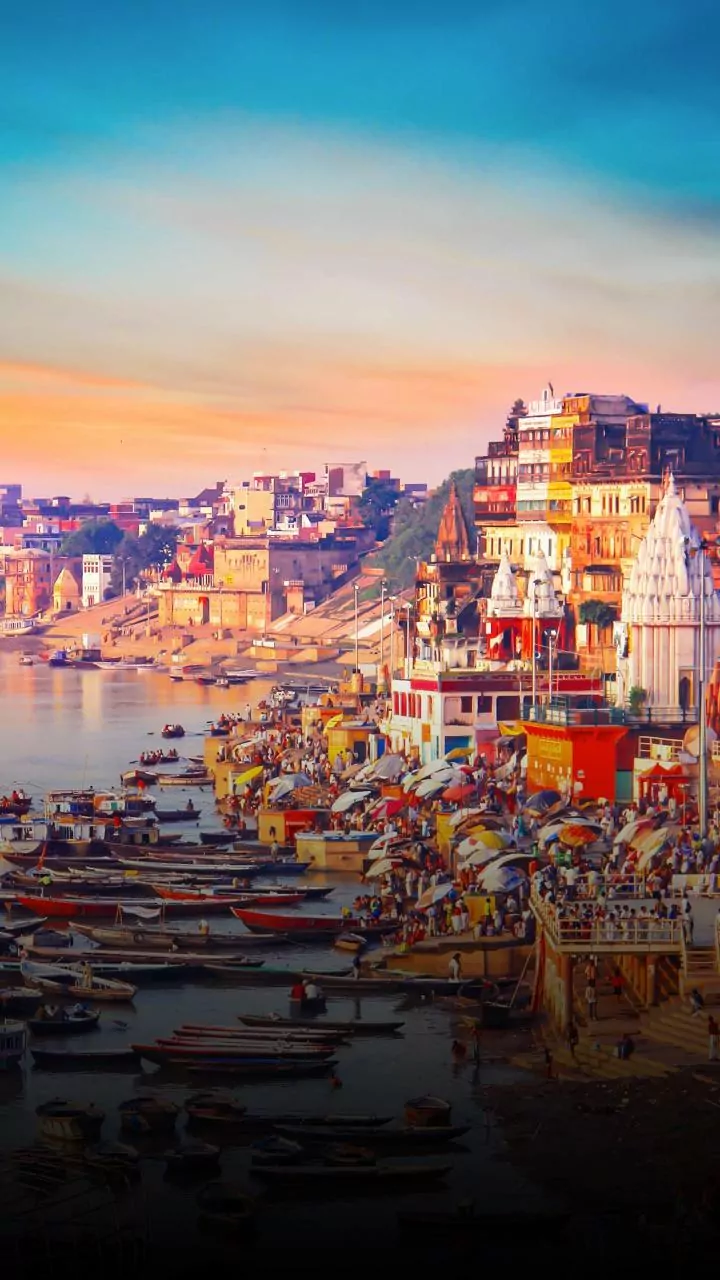
This shift is shining a spotlight on India’s incredible domestic destinations, many of which are just a drive away. From Mumbai, travellers are heading to the vineyards of Nashik or the green hills of Lonavala and Igatpuri. Those in Delhi have easy access to heritage forts like Neemrana or the tranquil hills of Kasauli and Lansdowne. For people in Bengaluru, the coffee estates of Coorg and Chikmagalur offer a scenic escape. This trend is not just limited to hills and beaches. There is a growing interest in heritage and spiritual sites, with cities like Jaipur, Udaipur, and Varanasi seeing a spike in searches and bookings. These regional hubs provide rich cultural experiences, from local food to historical exploration, proving that a memorable holiday doesn’t require a long-haul flight.
A More Conscious Way to Travel
Opting for a regional getaway also has a positive ripple effect. By choosing to holiday closer to home, travellers directly support local economies—from small hotels and guesthouses to regional artisans and restaurants. This rise in domestic tourism helps develop infrastructure in outlying areas and creates a more resilient travel sector. Furthermore, shorter journeys, especially by road or rail, generally have a smaller carbon footprint compared to air travel, making it a more environmentally conscious choice. In a time when everyone is looking for more meaningful experiences, rediscovering the beauty in your own region offers a powerful and rewarding way to celebrate the festive season.