







The Golden 'Anabolic Window' Theory
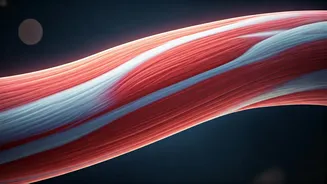
The belief in immediate post-workout protein stems from the concept of the “anabolic window.” This theory suggests there's a short period, often cited as 30 to 60 minutes after exercise, when your body is primed to build muscle (anabolism) and repair
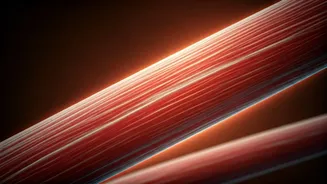
tissue damage. [2, 9, 17] During this time, it's thought that muscles are especially sensitive to nutrients like protein and carbohydrates. The logic is that providing amino acids from a fast-digesting protein like whey during this window jumpstarts muscle protein synthesis (MPS) — the process of repairing and building muscle fibres that were damaged during your workout. [4, 8, 9] This idea became incredibly popular, partly due to early research and savvy marketing by supplement companies, leading to the ritual of the immediate post-session shake. [2]
What Modern Science Says: A Wider Window
While the anabolic window isn't a complete myth, modern science suggests it’s much larger than the 30-minute rush we've been led to believe. [2, 4] More recent, comprehensive studies have found that the body's heightened state for muscle building and repair lasts much longer, potentially for 24 to 48 hours after a workout. [2, 3, 17] A 2013 meta-analysis published in the *Journal of the International Society of Sports Nutrition* concluded that total daily protein intake is a much stronger predictor of muscle growth and strength than precise timing around a workout. [4] This means that while your muscles are indeed responsive after training, you likely have several hours, not minutes, to refuel. [9] So, that mad dash to the locker room might not be the make-or-break moment for your gains after all. [24]
When Immediate Timing Might Still Matter
Debunking the 30-minute rule doesn't mean timing is completely irrelevant. There are specific situations where a quick dose of protein after your session is particularly beneficial. The most significant is if you train in a fasted state, like first thing in the morning without breakfast. [1, 7, 9] When you exercise without having eaten for several hours, your body's amino acid levels are low, and muscle protein breakdown can be higher. [13] In this scenario, a post-workout protein shake can quickly shift your body from a muscle-breakdown (catabolic) state to a muscle-building (anabolic) one. [1, 13] It may also be more important for elite athletes or those performing two-a-day training sessions, where rapid recovery is essential to prepare for the next workout. [9]
The Bigger Picture: Total Daily Protein Is King
The overwhelming consensus in sports nutrition today is that total daily protein intake is the most critical factor for muscle repair and growth. [4, 6, 20] Rather than stressing over a specific 30-minute window, it's more productive to focus on consistently consuming enough high-quality protein throughout the day. [18, 22] For active individuals looking to build muscle, the general recommendation is around 1.6 to 2.2 grams of protein per kilogram of body weight daily. [22] Spreading this intake across several meals and snacks ensures your muscles have a steady supply of amino acids to support recovery and growth, which is ultimately more effective than focusing solely on one post-workout meal. [6]
Why Whey Is Still a Great Choice
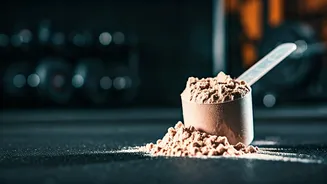
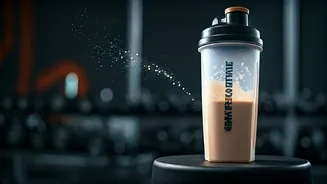
Even if slamming a shake immediately isn't mandatory, whey protein remains an excellent supplement for many reasons. Its main advantage is convenience and speed of absorption. [10, 11, 16] A whey shake is an easy, quick way to get a high-quality, complete protein that's rich in essential amino acids, particularly leucine, which is a key trigger for muscle protein synthesis. [5, 8, 15] It can help reduce muscle soreness (DOMS) and supports the immune system. [10] So, while you don't need to panic, having a whey shake after your workout is still a highly effective and practical strategy to help you meet your daily protein goals and support recovery. [8, 11] Think of it as a convenient tool, not a magic bullet tied to a ticking clock.