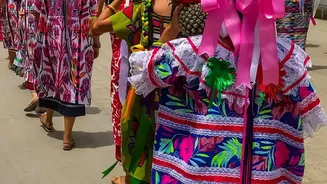





Each December, the hills near Kohima come alive with the sounds of log drums and warrior chants. This is the Hornbill Festival, and its heart beats loudest in one special place: the Naga Heritage Village at Kisama, the venue for the 2026 edition.
The Festival of Festivals
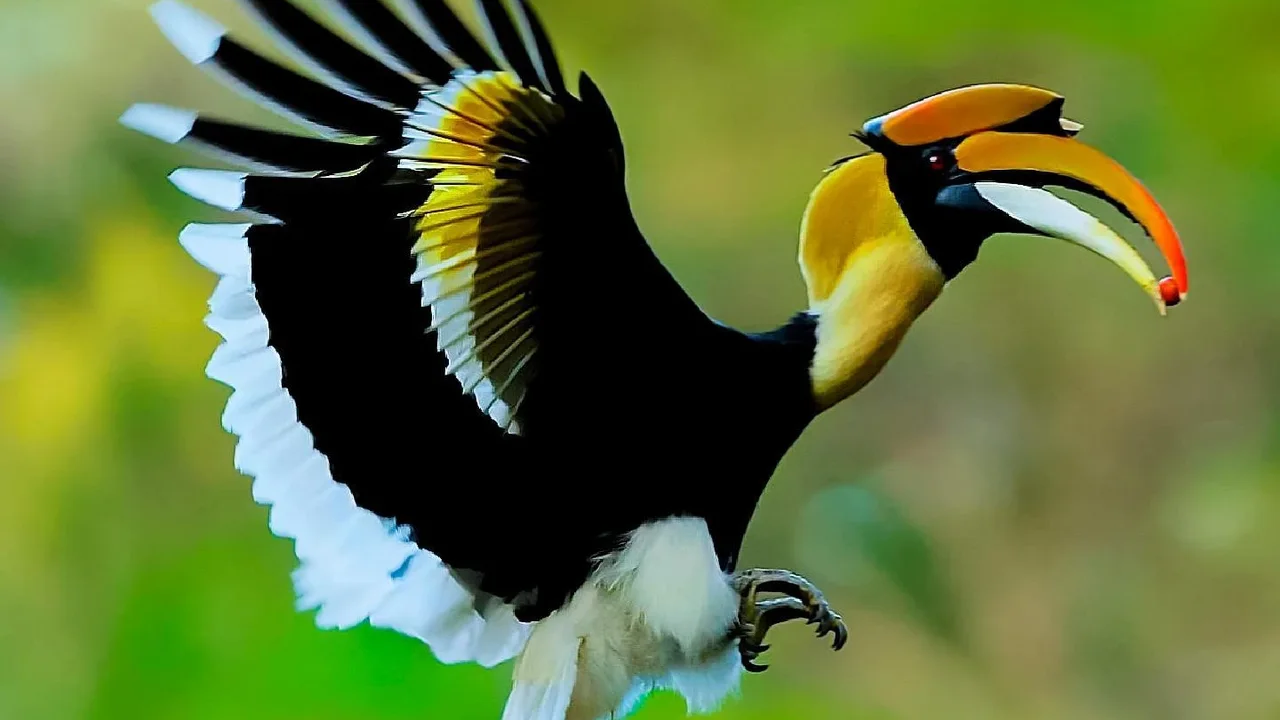
The Hornbill
Festival, held annually from December 1st to 10th, is Nagaland's biggest cultural event. Aptly named the 'Festival of Festivals', it was started by the state government in 2000 to promote inter-tribal harmony and showcase the state's rich heritage to the world. It's a rare opportunity to witness the traditions of all of Nagaland's recognised tribes—each with unique customs, attire, and dialects—in one place. The festival is named after the revered Indian Hornbill, a bird celebrated in Naga folklore for its grandeur and alertness, qualities often associated with Naga warriors.
Kisama: A Village Built for Culture
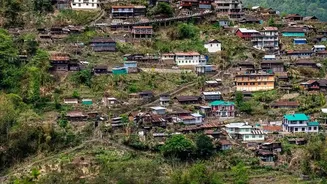
The permanent home of the festival is the Naga Heritage Village, also known as Kisama, located about 12 kilometres from Kohima. The village itself is an open-air museum, conceptualised to preserve and present the Naga way of life. Its name, Kisama, is a portmanteau of two neighbouring villages, Kigwema (Ki) and Phesama (sa), on whose land it was built. The layout is designed to resemble a traditional Naga village, set on a scenic hillside with stunning views.
Exploring the Morungs
The soul of Kisama Village is its collection of 'morungs', or traditional youth dormitories. There are structures representing each of the Naga tribes, built in their distinct architectural styles using materials like bamboo, wood, and thatch. Historically, morungs were vital institutions where young people learned tribal history, songs, and life skills. During the Hornbill Festival, these morungs become lively hubs. Visitors can walk through them, interact with tribe members, see elders demonstrate traditional crafts like weaving, and learn about the intricate wood carvings and symbols that adorn each structure.
A Showcase of Dance, Music, and Games
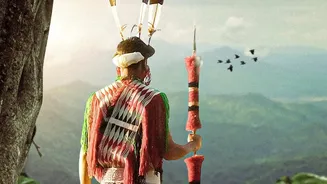
The central arena at Kisama is where the main cultural performances happen daily from around 9 AM. Troupes from every tribe, dressed in spectacular ceremonial attire, perform powerful war dances, harvest songs, and folk rituals. Beyond the main stage, you can witness indigenous sports like traditional wrestling (Aki Kiti) and archery. In the evenings, the focus often shifts to the Hornbill International Rock Contest and the Kohima Night Carnival, which brings music, street food, and performances to the capital city.
A Feast for the Senses
A trip to the Hornbill Festival is incomplete without sampling the local cuisine. The morungs themselves are the best place to eat, as each tribe sets up its own kitchen, offering distinct specialities. Expect to find dishes featuring smoked pork with bamboo shoot, fermented soybean (axone), and fiery king chilli chutney. Vegetarian options are available but can be limited, as Naga cuisine is predominantly meat-based. Be sure to try Zutho, the local rice beer, which is offered generously to guests as a sign of hospitality.
Plan Your 2026 Visit
The Hornbill Festival 2026 is confirmed for December 1–10. To reach Kisama, most travellers fly or take a train to Dimapur, the nearest airport and major railway station, which is about 74 km from Kohima. A 2–3 hour taxi ride will get you to the state capital. From Kohima, it’s a 30–minute drive to Kisama, with shared taxis and private cabs readily available. Accommodation in and around Kohima gets booked months in advance, so plan early. Indian tourists require an Inner Line Permit (ILP) to enter Nagaland, which can be applied for online.