






The Winter Pollution Problem
Winter air is often heavier and more stagnant. A weather phenomenon called temperature inversion traps cold air, and with it, a cocktail of pollutants, close to the ground. This mixture, often called winter smog, consists of particulate matter (PM2.5
and PM10), sulfur dioxide, nitrogen oxides, and other harmful compounds from traffic, industry, and burning fuel for warmth. This polluted outdoor air easily makes its way indoors through drafts, ventilation systems, or even on our clothes, concentrating in our living spaces where we spend up to 90% of our time.
Why Your Bedroom Matters Most
We spend roughly a third of our lives sleeping, making bedroom air quality crucial for our overall health. Poor air quality at night is linked to respiratory irritation, allergies, and disrupted sleep patterns. Pollutants like dust mites, mold spores, and volatile organic compounds (VOCs) from furniture and cleaning products can accumulate. Breathing this contaminated air all night can lead to waking up with congestion, a sore throat, or feeling unrested, as your body works overtime to deal with these invisible invaders.
Invest in a High-Quality Air Purifier
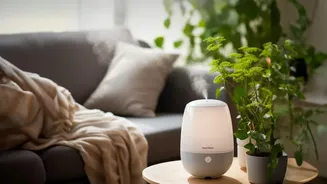
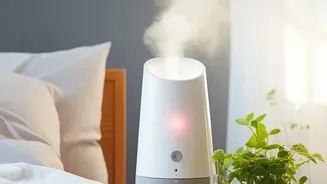
The single most effective step to combat indoor pollution is using an air purifier with a High-Efficiency Particulate Air (HEPA) filter. HEPA filters are designed to capture 99.97% of airborne particles, including the tiny PM2.5 particles that are a major component of winter smog. When choosing a purifier for your bedroom, consider the room size and look for a model with a sufficient Clean Air Delivery Rate (CADR). A unit with a carbon filter can also help remove odours and VOCs.
Seal Leaks and Ventilate Wisely
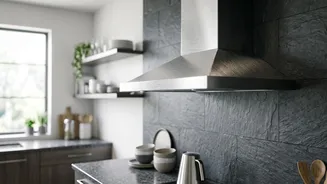
Preventing polluted air from entering is a key first step. Check windows and doors for gaps and use weatherstripping or caulk to seal them. However, homes still need ventilation to prevent the buildup of indoor pollutants like CO2. The strategy is to ventilate when outdoor air quality is at its best, which is often during the middle of the day. Keep windows closed during peak pollution hours, typically early mornings and late evenings. Using exhaust fans in kitchens and bathrooms can also help pull stale, polluted air out of your home.
Maintain a Clean Sleeping Environment
Regular cleaning can significantly reduce the allergen and dust load in your bedroom. Dust surfaces with a damp cloth to trap particles instead of sending them airborne. Vacuum carpets and upholstery frequently, preferably with a vacuum that has a HEPA filter. Bedding is a prime spot for dust mites, so wash your sheets, pillowcases, and blankets weekly in hot water to eliminate these common allergens. This simple routine prevents the buildup of irritants that can affect your breathing while you sleep.
Mind Your Indoor Habits
Many everyday activities contribute to indoor air pollution. Avoid burning incense and candles, which release particulate matter directly into your room. Be mindful of cleaning products, air fresheners, and paints that can emit VOCs; opt for low-VOC or zero-VOC products whenever possible. While indoor plants like Spider Plants and Peace Lilies can help, their air-purifying effect is minimal compared to mechanical filtration. They are a beautiful addition but shouldn't be your primary defense.