


More Than Just No Shoes
Barefoot hiking is exactly what it sounds like: trekking through nature without footwear. However, the modern 'barefoot movement' is a broader philosophy that also includes minimalist shoes. These are not your typical, heavily padded hiking boots. Barefoot or
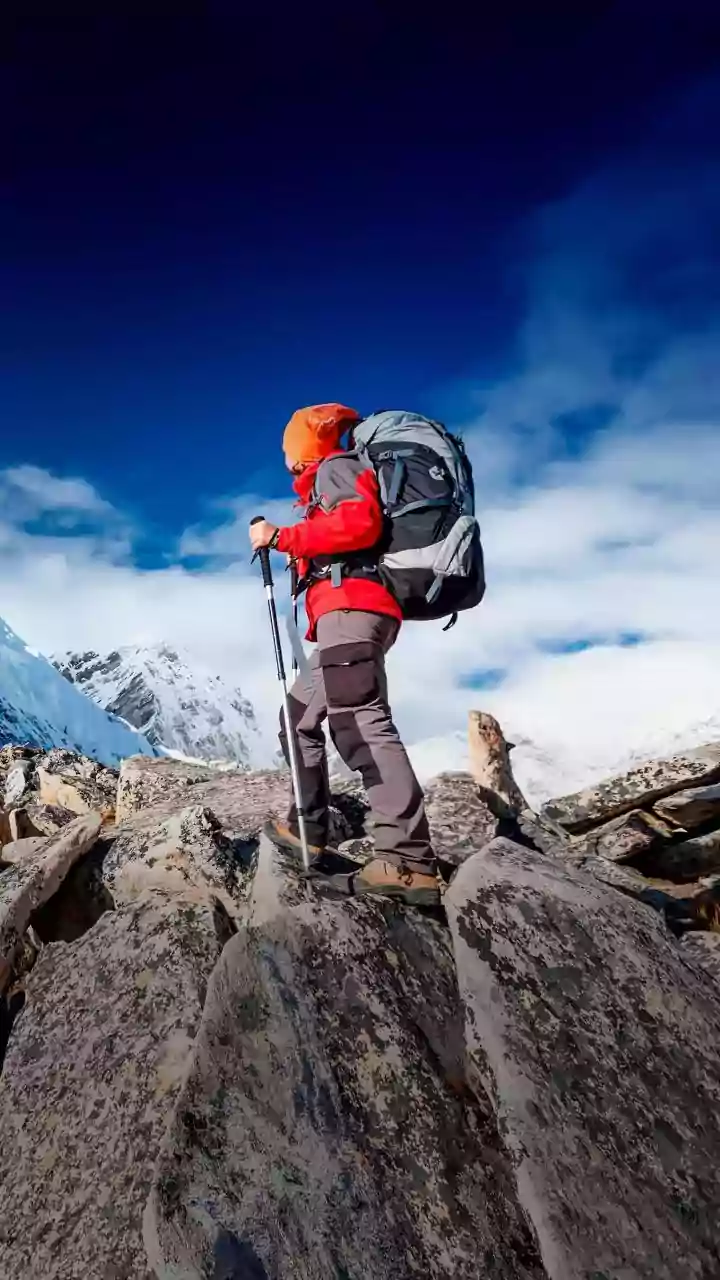
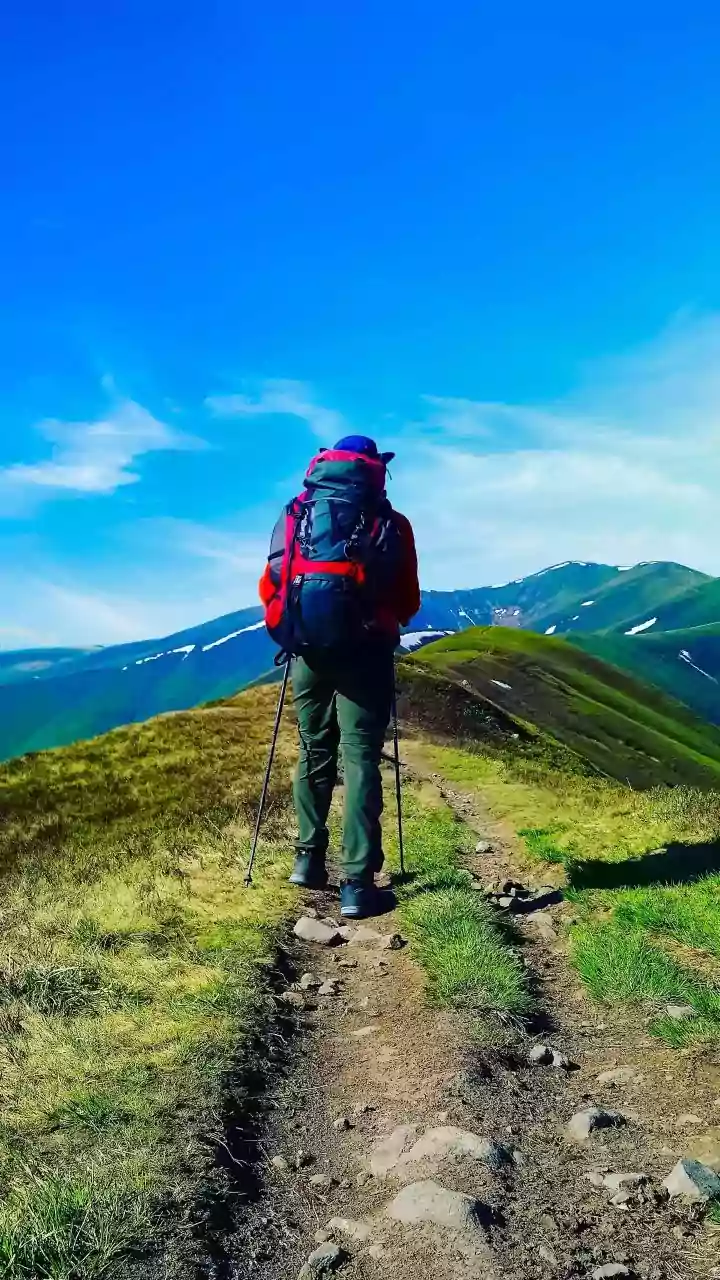
minimalist footwear is characterized by a thin, flexible sole and a wide toe box, with no elevated heel ('zero-drop'). The goal is to allow your feet to move, bend, and feel the ground as naturally as possible, mimicking the experience of being truly barefoot while offering a degree of protection. This approach is a conscious departure from conventional shoes that often restrict movement and dull the senses.
The Power of Feeling the Ground
A primary driver for barefoot hikers is enhanced proprioception—your body's 'sixth sense' for its position and movement in space. Your feet are packed with over 200,000 nerve endings that send constant feedback to your brain about the terrain underfoot. Thick, cushioned soles muffle this crucial dialogue, but going barefoot or wearing minimalist shoes reawakens it. This heightened ground feel allows for quicker, more intuitive adjustments to uneven surfaces, which can improve balance and stability. Beyond the physical, many hikers report a stronger mental and emotional connection to nature, describing the experience as a form of mindfulness that reduces stress and enhances the sense of freedom.
Building a Stronger Foundation
Conventional hiking boots provide a lot of support, but in doing so, they can prevent the many small muscles, tendons, and ligaments in your feet from doing their job. Over time, this can lead to weaker feet. Barefoot hiking forces these muscles to engage, strengthening your arches and improving overall foot health. This can lead to a more natural walking pattern, or gait, which may reduce strain on other joints like your knees and hips. A stronger, more flexible foot foundation not only aids in performance on the trail but can help mitigate the risk of chronic aches and pains in the long run.
Navigating the Obvious Risks
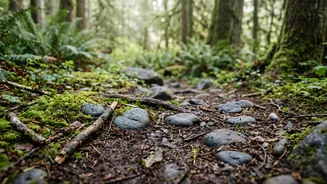
Of course, ditching protective footwear comes with significant risks. The most immediate dangers are cuts, scrapes, and puncture wounds from sharp objects like glass, rocks, or thorns. There is also a risk of bacterial or fungal infections, such as athlete's foot, from exposure to contaminated soil or water. Going barefoot on hard or rough surfaces without proper conditioning can also lead to pain or stress-related injuries like plantar fasciitis. It is crucial to be aware of your surroundings, watch where you step, and understand that some environments are simply not safe for unprotected feet. People with certain medical conditions, especially diabetes, should consult their physician before ever attempting to walk barefoot outdoors due to a higher risk of serious complications from minor injuries.
How to Take Your First Barefoot Steps
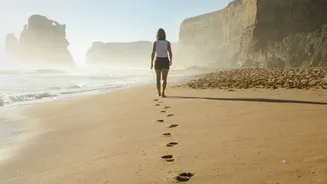
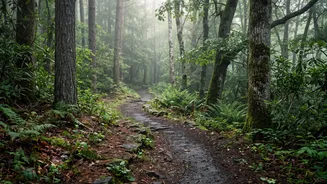
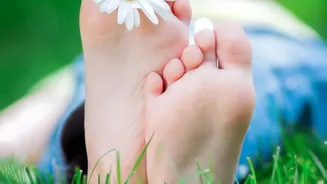
Curiosity about barefoot hiking should always be paired with caution. The key is to start slow and allow your feet time to adapt. Begin by walking barefoot on soft, predictable surfaces like a grassy lawn or a sandy beach. For your first trail experience, choose a short, well-maintained path that you know is relatively clear of debris. Pay close attention to how your body feels and don't push through pain. Initially, keep your hikes short and gradually increase the distance and terrain difficulty as your foot strength and skin toughness improve. Many people find minimalist shoes to be an excellent transition, offering the benefits of a more natural foot movement while still providing essential protection.