





Your Gut: A Bustling Inner World
Think of your digestive system as a bustling metropolis populated by trillions of microorganisms, including bacteria, viruses, and fungi. This community is your gut microbiome. For a long time, we thought of bacteria only as germs to be avoided. But scientists
now understand that a diverse and balanced gut microbiome is essential for your health. These microbes help digest food, produce essential vitamins, regulate your immune system, and even influence your metabolism and mood. A healthy gut is often a diverse one, with many different types of bacteria working in harmony. When this balance is disrupted, it can contribute to a wide range of health issues.
A First-of-its-Kind Study for South Asia
For too long, microbiome research has focused on Western populations, leaving a massive gap in our understanding of global health. A recent and comprehensive study, named the South Asian MicroBiome ARray (SAMBAR), has started to fill this void. Researchers studied 575 adults from ten different communities across India and Sri Lanka, comparing people in traditional villages with their relatives who had moved to cities. This unique approach allowed them to see how urbanization and lifestyle changes affect the gut. The findings were clear: South Asian gut microbiomes are distinct from those in other parts of the world, shaped more by geography and community than by lifestyle alone.
The Impact of Urban Life
The study revealed a consistent pattern: moving to a city changes your gut. Urban dwellers across different communities showed less microbial diversity. Certain bacteria associated with traditional, high-fibre diets tended to disappear, while others linked to Western-style diets high in fat and sugar became more common. For example, one bacterium called Megamonas, associated with fat metabolism, was found in higher amounts in urban participants. Another study on South Asian immigrants in Canada found similar trends, noting that beneficial microbes like Prevotella, which thrive on plant fibre, decline as diets become more westernized and full of ultra-processed foods. This shift is significant because it's linked to a higher risk of inflammatory conditions and metabolic diseases.
What Does This Mean for Your Health?
This research provides a powerful new lens for understanding why conditions like type 2 diabetes, obesity, and heart disease are rising rapidly in urban India. It’s not just about genetics; it's also about the environment within our own bodies. The shift away from traditional, fibre-rich foods and toward processed, convenient urban fare is actively reshaping our internal ecosystems, often to our detriment. The loss of certain beneficial bacteria can impair our ability to process glucose and manage inflammation, paving the way for chronic illness. However, the news isn't all bad. The strong link between diet and gut health means we have the power to make positive changes.
How to Nurture Your Gut Microbiome
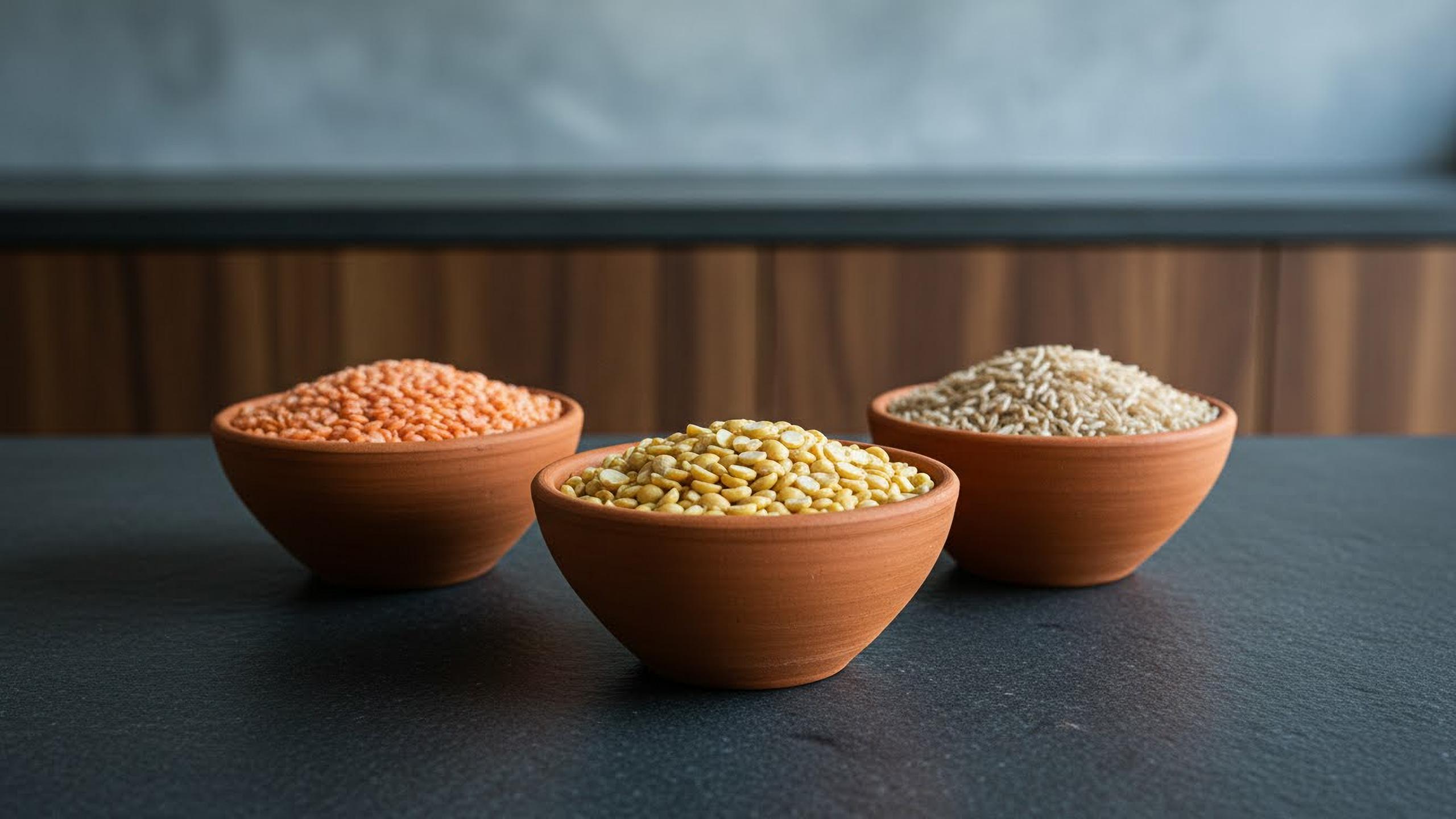
The key takeaway from this research is that what you eat directly feeds your inner ecosystem. To cultivate a healthier, more diverse gut microbiome, focus on traditional dietary principles. Prioritise fibre-rich whole foods like lentils, legumes, vegetables, and whole grains such as millet and brown rice. Incorporate fermented foods like dahi (curd), idli, dosa, and traditional pickles (achar), which are natural sources of beneficial probiotic bacteria. One study suggests that eating 30 different types of plant-based foods a week can significantly boost microbial diversity. This doesn’t have to be complicated; every different vegetable, fruit, grain, nut, and spice counts toward your weekly total. By embracing the dietary diversity inherent in Indian cuisine, you can actively support the trillions of allies within you.