





Step 1: Conduct a Thorough Closet Audit
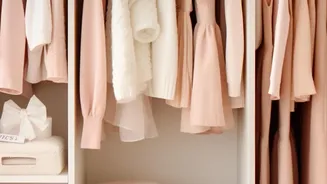
The first step to a functional wardrobe is understanding what you already own. Take everything out of your closet and sort it into four piles: Keep, Donate/Sell, Repair, and Seasonal Storage. Be honest with yourself. For the 'Keep' pile, only include
items that you love, that fit you well right now, and that suit your current lifestyle. Anything that hasn't been worn in over a year, no longer fits your style, or is in poor condition should go into the other piles. This process is not just about decluttering; it's about making a mental catalogue of your existing pieces, which will reveal your purchasing habits—including your tendency to buy multiples.
Step 2: Define Your Personal Style and Lifestyle Needs
A functional wardrobe is a reflection of you. Before you can plan effectively, you need a clear vision. Think about your daily activities: what do you need clothes for? Your needs for a corporate office are different from those of a work-from-home creative or a student. Create a list of adjectives that describe how you want to feel in your clothes—such as 'polished', 'creative', 'comfortable', or 'elegant'. You can create a digital mood board on a platform like Pinterest to collect images that inspire you, noticing which themes, silhouettes, and looks you are consistently drawn to. This self-reflection helps you build a wardrobe that genuinely serves you, rather than trying to fit into trends that don't match your life.
Step 3: Establish a Cohesive Colour Palette
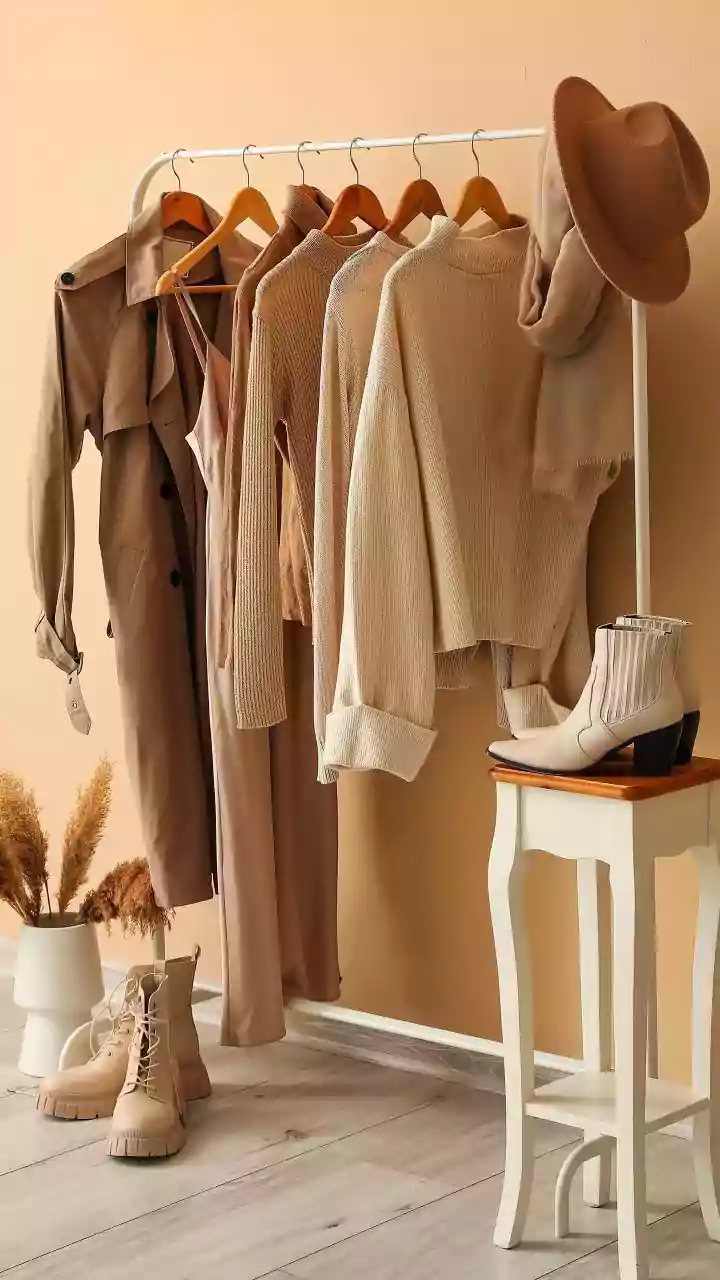
One of the most effective ways to prevent duplicates and ensure your clothes work together is by establishing a core colour palette. A well-planned palette streamlines your wardrobe and makes getting dressed effortless because everything coordinates. Typically, a palette consists of two to four core neutral colours (like black, navy, beige, or grey) that form the foundation of your wardrobe. Then, add two to three accent colours that you love and that complement the neutrals. When you go shopping, stick to this palette. This discipline prevents you from buying another black cardigan when you already have three, or a brightly coloured shirt that matches nothing else you own.
Step 4: Identify Your Go-To Silhouettes
Just as we can fall into colour ruts, we often unconsciously buy the same clothing shapes and cuts. Perhaps your weakness is striped boat-neck tops or A-line skirts. While having a signature style is great, owning too many similar pieces limits variety. After your audit, identify which silhouettes you wear most and which are most flattering and comfortable for your body and lifestyle. For example, you might realise that high-waisted, wide-leg trousers are a personal staple. The goal isn't to stop buying them, but to be intentional. Instead of buying another identical pair, you might look for a similar cut in a different fabric or a colour from your chosen palette to add versatility without creating a direct duplicate.
Step 5: Create a Strategic Shopping List
A functional wardrobe is built through intentional additions, not impulse buys. Once you have audited your closet and defined your style, palette, and preferred cuts, you can identify the actual gaps. Create a running list of specific items you need to complete outfits. For example, you might realise you have several great skirts but lack a simple, neutral top to wear with them. Or perhaps you need a versatile pair of ankle boots to bridge seasons. When you go shopping, take this list with you. It acts as a powerful filter, helping you stay focused and resist the temptation of sales or trendy items that don't serve your wardrobe's overall function. This shifts your mindset from simply accumulating clothes to strategically building a collection of pieces you will truly love and wear.