






More Than Just a Dubbed Film
First, let's clarify what a “pan-Indian” film actually is. For decades, Indian cinema has dubbed and remade films across its many languages. However, the modern pan-Indian film is different. It's conceived and marketed from day one as a national cultural
event, designed to transcend linguistic and regional barriers. Supported by simultaneous multi-language releases, nationwide promotional tours, and strategic casting from different industries, these films aim for universal appeal. The goal isn't just to release a movie in multiple languages, but to craft a story and emotion that connects with everyone, regardless of the language they speak.
The 'Baahubali' Blueprint for Success
The movement exploded into the mainstream with S.S. Rajamouli's epic Baahubali series. Released in 2015, Baahubali: The Beginning shattered the notion that a Telugu film couldn't captivate the entire nation. Its unprecedented success, particularly in the Hindi-speaking belt, proved that a massive audience was waiting for grand, spectacle-driven cinema rooted in Indian culture. Rajamouli combined high-end visual effects, mythologically-inspired storytelling, and universal human emotions, creating a formula that felt both globally competitive and distinctly Indian. The film's cliffhanger ending became a national obsession, cementing the idea that a regional story, if told ambitiously, could create a truly national moment.
A Resurgence of Larger-Than-Life Heroes
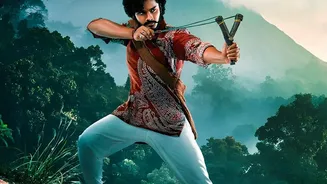
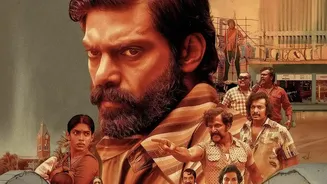
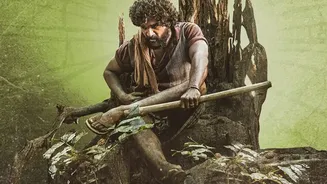
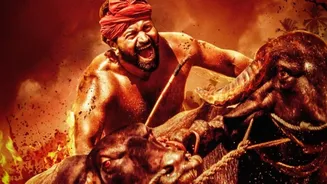
At the heart of the pan-Indian phenomenon is the return of the iconic action hero. These films are built around powerful, often mythological, archetypes of masculinity and heroism. Characters like Rocky from KGF or Pushpa Raj from Pushpa: The Rise are celebrated for their swagger, strength, and defiance in the face of overwhelming odds. This revival of the 'mass' hero resonates with an audience that seems to crave larger-than-life escapism. These sagas deliver high-octane action and emotionally charged stories of underdogs rising to power, a theme that has proven to have a powerful, cross-cultural appeal.
Technology Broke Down the Barriers
Audience demand didn't grow in a vacuum. The rise of streaming platforms played a crucial role. For years, audiences, particularly in Hindi-speaking regions, became familiar with South Indian stars through dubbed films shown on television. OTT services like Amazon Prime Video and Netflix accelerated this, making content from all over India easily accessible with subtitles or high-quality dubs. This exposure dissolved the psychological barrier that once made audiences hesitant to watch films from other regions. As viewers became more accustomed to diverse storytelling, the appetite for new and exciting cinema grew, paving the way for regional industries to reach a national audience directly.
The New Box Office Formula
The success of films like RRR, KGF: Chapter 2, and Pushpa has solidified a new blockbuster formula. It involves a fusion of a universally relatable story, often rooted in period settings or mythology, with high production values and spectacular action sequences. A key element is the strategic marketing that positions the film as a must-see national event, often with backing from major distributors in different regions to maximize reach. While not every attempt succeeds, the template is clear: create a cinematic experience so grand and emotionally resonant that it commands the attention of the entire country, proving that great storytelling knows no language.