




A Sudden, Alarming Reversal
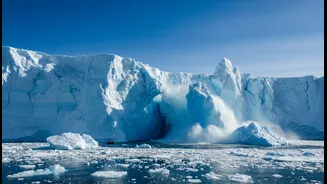
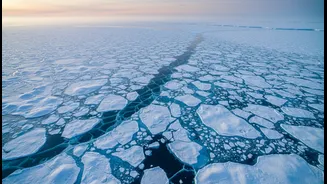
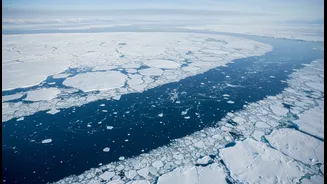
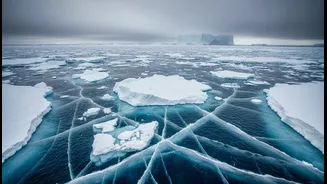
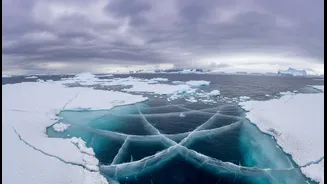
For a long time, the story of Antarctic sea ice was confusingly different from the Arctic. While the North Pole saw a clear, steady decline, the ice surrounding Antarctica was variable, even growing. But since 2016, that narrative has shattered. Scientists
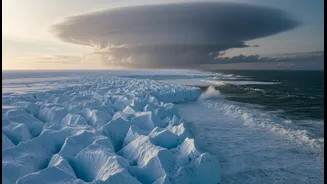
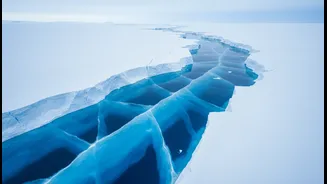
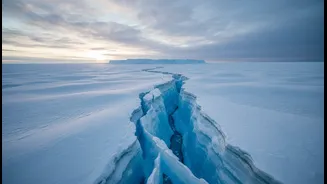
have observed a dramatic and abrupt plunge, with sea ice levels hitting record lows year after year. In the summers of 2022, 2023, 2024 and 2025, the ice minimums were the four lowest in the 47-year satellite record. Though the summer of 2026 saw a slight recovery closer to the average, the overall trend since the mid-2010s points to a fundamental change in the system. Scientists are now talking about a possible 'regime shift' — a new, unstable state for Antarctica's frozen ocean.
What's Driving the Great Melt?
Pinpointing the exact cause is complex, but researchers believe a 'flipped switch' has occurred. A key factor appears to be a change in the Southern Ocean's structure. For years, a layer of cold, fresh water at the surface acted like a lid, trapping warmer, saltier ocean water deep below. However, shifts in wind patterns, likely linked to climate change, have started to weaken this protective barrier. These stronger winds are now pulling that warmer deep water up to the surface, where it melts the sea ice from beneath. This creates a dangerous feedback loop: less ice means the dark ocean absorbs more sunlight, which warms the water further and makes it even harder for new ice to form.
The Global Ripple Effect
It is crucial to distinguish between sea ice and the continent's massive land ice sheets. While melting sea ice (which is already floating) doesn't directly raise sea levels, its disappearance has a critical indirect effect. The sea ice acts as a protective buffer, holding back the gigantic glaciers on the Antarctic landmass. Without this buffer, warmer ocean water can reach the edges of these land-based ice sheets, accelerating their melt. This is where the real danger for sea-level rise lies. If the entire Antarctic Ice Sheet were to melt, global sea levels would rise by a catastrophic 60 metres. While that isn't imminent, the rate of ice loss from the land is accelerating, and it's already a significant contributor to rising oceans.
What This Means for India
A warming Antarctica might seem a world away, but its consequences are global and will be felt keenly in India. With a 7,500-kilometre coastline, India is highly vulnerable to sea-level rise. Events in Antarctica directly contribute to this threat. Even a seemingly small increase in global sea levels can have a devastating impact, leading to coastal erosion, saltwater intrusion into freshwater sources, and increased flooding in low-lying cities like Mumbai, Kolkata, and Chennai. The Sunderbans, a region already experiencing sea-level rise higher than the global average, offers a stark preview of what could happen along the entire coastline. Furthermore, major changes in the polar regions can disrupt global ocean and atmospheric circulation, potentially affecting weather patterns like the Indian monsoon, a system vital to the country's economy and food security.