

Wander Through Lush Tea Gardens
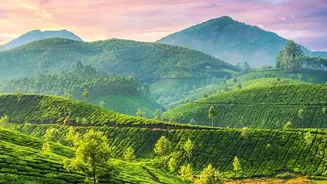
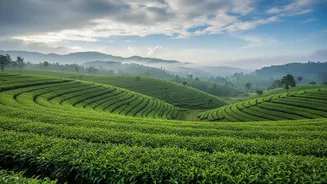
The heart of Assam's allure, its sprawling tea estates in areas like Jorhat and Dibrugarh, becomes even more captivating during the monsoon. The rain washes the tea leaves to a brilliant, glossy green, and a fine mist often hangs over the rolling hills,
creating a deeply tranquil atmosphere. This is the ideal time to stay in a heritage tea bungalow, where you can wake up to the smell of wet earth and fresh tea. Spend your days taking leisurely walks or cycling through the plantations, watching workers pluck leaves under the dramatic monsoon sky, and your evenings sipping a hot cup of Assam tea by a window, listening to the rhythm of the rain. It’s a slow, immersive experience that connects you to the region's most famous export in its most beautiful season.
Explore a Floating Island Paradise
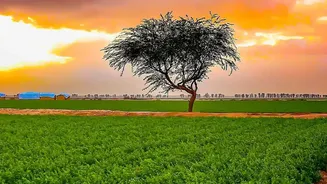
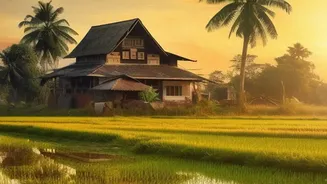
Majuli, the world's largest riverine island, takes on a surreal beauty during the monsoon. As the Brahmaputra River swells, the island seems to float, its rice paddies turning into a liquid green mirror. While travel to the island requires checking ferry schedules, as services can be affected by heavy rain, the journey is part of the adventure. Once there, you can explore its unique Vaishnavite monasteries, known as satras, where life continues at a peaceful pace, often accompanied by the sound of chanting and rain. Cycling along its muddy but scenic paths offers an intimate glimpse into the lives of the Mising tribe and other local communities. It's a destination for those seeking cultural immersion and quiet contemplation.
Discover Assam's Only Hill Station
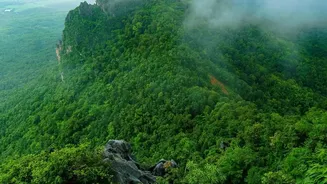
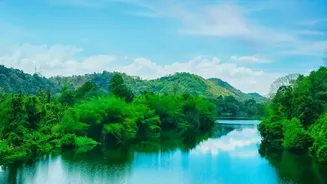
Haflong, often called the 'Switzerland of the Northeast', is Assam's sole hill station and is arguably at its best during the monsoon. The rains bring out a thousand shades of green, clouds drift through the valleys, and new waterfalls appear as if by magic. The Haflong Lake, situated in the heart of the town, becomes even more serene, surrounded by misty hills. This season is perfect for short treks on trails lined with orchids and for simply enjoying the cool, pleasant weather. While landslides can be a concern in hilly regions, making it essential to check weather conditions, the breathtaking views of the rain-washed landscape make it a rewarding venture.
Witness the Periphery of a Wildlife Haven
While the core zones of Kaziranga National Park are closed to visitors from June to October due to flooding, the monsoon season offers a different kind of wildlife experience. The Brahmaputra River floods the plains, rejuvenating the grasslands that are crucial for its famous one-horned rhinoceroses. You can still see the park's incredible greenery from the highways and viewpoints along its edge. Some animals move to higher ground, and it's not uncommon to spot rhinos or wild elephants from the main road. Nearby resorts and the National Orchid Park remain open, allowing you to enjoy the lush surroundings and peaceful atmosphere without the safari crowds.
A Note on Safe Monsoon Travel
Traveling in Assam during the monsoon is an adventure that requires some preparation. It's crucial to stay updated on weather forecasts, as heavy rains can cause flooding and disrupt travel plans. Pack waterproof bags, quick-drying synthetic clothes, and sturdy footwear with a good grip. Always carry a basic first-aid kit and insect repellent. Roads in hilly areas can be prone to landslides, so it’s wise to build extra buffer days into your itinerary and be flexible with your plans. By taking these precautions, you can safely enjoy the unparalleled beauty of a rain-soaked Assam.