



Know the Season: Late September is Prime Time
The rafting season in Rishikesh reopens in mid-to-late September after the monsoon break. While the river is officially closed from July to early September for safety reasons, the post-monsoon period offers a unique experience. The Ganga is fuller and
more energetic than in the winter months, making for an exciting ride. According to recent announcements, rafting is expected to resume around September 23rd, 2026, after safety inspections confirm the water levels are suitable. This period is perfect for adventurers who want to experience the river's power before the peak crowds arrive in October.
Choose Your Stretch Wisely
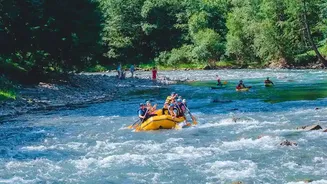
For beginners, especially with high water levels, the rafting stretch you choose is critical. Don't opt for a longer route just because it seems like a better deal. The Brahmapuri to Rishikesh stretch (around 9 km) is the most recommended for first-timers and families. It features Grade I and II rapids, which are milder and provide a great introduction to the sport without being overwhelming. The most popular route, from Shivpuri to Rishikesh (16 km), has more challenging Grade II and III rapids like 'Roller Coaster'. It's suitable for adventurous beginners, but be honest about your comfort level. Longer stretches like Marine Drive (26 km) or Kaudiyala (36 km) should be avoided by novices during this time as they feature Grade IV rapids that are significantly more intense with higher water volume.
The Ultimate Hack: Pick a Licensed Operator
This isn't just a safety tip; it's a budget hack. Roadside touts may offer unbelievably cheap prices, but they often cut corners on safety, guide training, and equipment quality. A trip with an unlicensed operator during a period of high water flow is a risk not worth taking. Always book with an operator approved by the Uttarakhand Tourism Development Board. These certified companies provide properly fitted life jackets and helmets, conduct thorough safety briefings, and have experienced guides who understand the river's post-monsoon behaviour. Paying a little extra for a reputable operator is the best investment you can make for your safety and peace of mind. Non-swimmers can absolutely raft safely on beginner stretches, but only with a certified guide and proper gear.
Go on a Weekday, Book as a Group
Like any popular destination, Rishikesh sees prices surge on weekends and holidays. One of the easiest ways to save money is to plan your rafting trip for a weekday (Monday to Thursday). Operators are often more flexible with pricing when demand is lower. Another classic hack is to travel in a group. Rafts typically seat 8-12 people, and operators offer significant discounts for larger groups that can fill a boat. If you’re a solo traveller or a couple, ask the operator if you can join another group to take advantage of a better rate.
Bargain and Look for Combo Deals
Don't hesitate to bargain, especially if you are booking directly and have a group. While there's a standard price range—around ₹600 for the shortest stretch to ₹1200 for the popular 16 km one—there is often room for negotiation. Many operators also offer package deals that combine rafting with riverside camping, meals, and a bonfire. These combos can offer excellent value compared to booking each activity separately. Before finalizing, always clarify what's included in the price—ask about transportation to the starting point, equipment, and any hidden charges.
Pack Smart, Spend Less
You don't need fancy gear, but the right clothing is essential for both comfort and safety. Wear quick-drying synthetic clothes like a t-shirt and shorts. Avoid cotton, as it gets heavy when wet and will make you cold. For footwear, wear secure sandals with a backstrap or water shoes; flip-flops are a definite no-go as they will float away. Bring a change of clothes and a towel for after the trip. Don't carry valuables like your phone or wallet on the raft; operators provide waterproof bags for small essentials, but it's best to leave most items at their office or your hotel.
Listen to Your Guide—It's Non-Negotiable
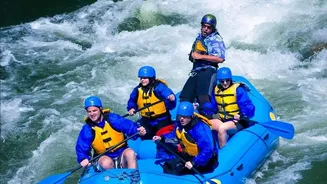
Your guide is your most important safety asset on the river. Pay close attention during the pre-rafting briefing. They will teach you paddling commands, how to position yourself in the raft, and what to do if you fall into the water. Following their instructions, especially when approaching a rapid, is crucial for keeping the raft stable and everyone safe. In high water conditions, their expertise in navigating currents is what ensures a thrilling but controlled experience. Trust their commands, paddle as a team, and you'll conquer the Ganga's rapids with confidence.