







From Desert Survivor to Skincare Star
Kalahari melon oil, also known by its scientific name Citrullus lanatus, is extracted from the seeds of a wild melon native to the arid Kalahari Desert. This isn't your typical sweet, red watermelon; it's a hardy ancestor that has adapted to survive in
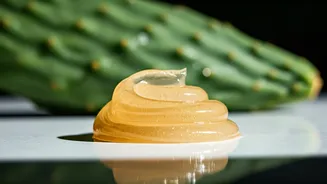
extreme heat and drought. For centuries, indigenous communities have used this melon as a source of water and its seeds for their nourishing properties, grinding them into a paste to moisturise and protect their skin from the harsh desert sun. The oil is cold-pressed from these seeds, a process that ensures all the valuable nutrients are preserved without using heat or chemicals. The result is a light-yellow, subtly nutty oil that is now gaining international recognition.
What Makes It So Special?
The magic of Kalahari melon oil lies in its unique composition. It’s incredibly rich in linoleic acid, an omega-6 essential fatty acid that can make up between 50% to 70% of the oil. This is important because linoleic acid is a crucial building block for ceramides, the lipids that help form the skin's barrier and retain moisture. The oil is also packed with antioxidants, most notably a high concentration of Vitamin E, which helps protect the skin from environmental stressors and the free radicals that can lead to premature ageing. This potent combination of fatty acids and antioxidants helps to nourish, restructure, and assist in skin repair.
A Hero For All Skin Types?
One of the most appealing qualities of Kalahari melon oil is its versatility. It's exceptionally lightweight and absorbs quickly without leaving a greasy feeling. This makes it suitable for a wide range of skin types. For dry or mature skin, it offers deep hydration and can help improve elasticity and reduce the appearance of fine lines. For oily and acne-prone skin, it can be a game-changer. Research suggests that the sebum in acne-prone skin is often deficient in linoleic acid, making it thicker and more likely to clog pores. Because Kalahari melon oil has such a high linoleic acid content, it can help rebalance the skin’s natural oils and dissolve excess sebum, reducing breakouts. It has a very low comedogenic rating of 0-1, meaning it is highly unlikely to clog pores.
How to Weave It Into Your Routine
Incorporating Kalahari melon oil into your beauty regimen is simple. Thanks to its lightweight texture, you can use it in several ways. Apply a few drops directly onto cleansed skin as a facial oil, either on its own or by mixing it into your favourite moisturiser or serum for an added boost of hydration. It also works wonderfully as an oil cleanser to break down makeup and impurities without stripping the skin. You can massage a few drops into your face, then wipe it away with a warm, damp cloth. Because it's so gentle, it's even used in some natural baby oil formulations. As with any new product, it's always wise to perform a patch test on a small area of skin first to ensure it's a good fit for you.