



The End of the Flawless Mask
For years, the goal of makeup was perfection. Influenced by early Instagram aesthetics, beauty routines were anchored by full-coverage foundations that aimed to create a completely flawless, poreless canvas. This 'more is more' approach involved layering
products to conceal, correct, and contour, often resulting in a heavy finish that masked the skin's natural texture. Today, that ideal is being challenged. Younger consumers, particularly Gen Z, are moving away from the 'flawless mask' and embracing a 'skinimalism' approach. The new aspiration isn't to look perfect, but to look healthy, fresh, and authentic. This has paved the way for products that enhance rather than hide, allowing features like freckles and natural skin texture to remain visible. According to a 2026 study, over a quarter of young women are actively moving away from full-coverage foundation in favour of a more natural glow. It's a significant change that prioritizes believable, breathable skin over an airbrushed finish.
Skincare First, Makeup Second
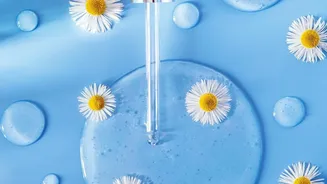
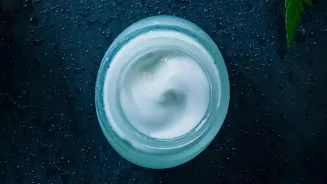
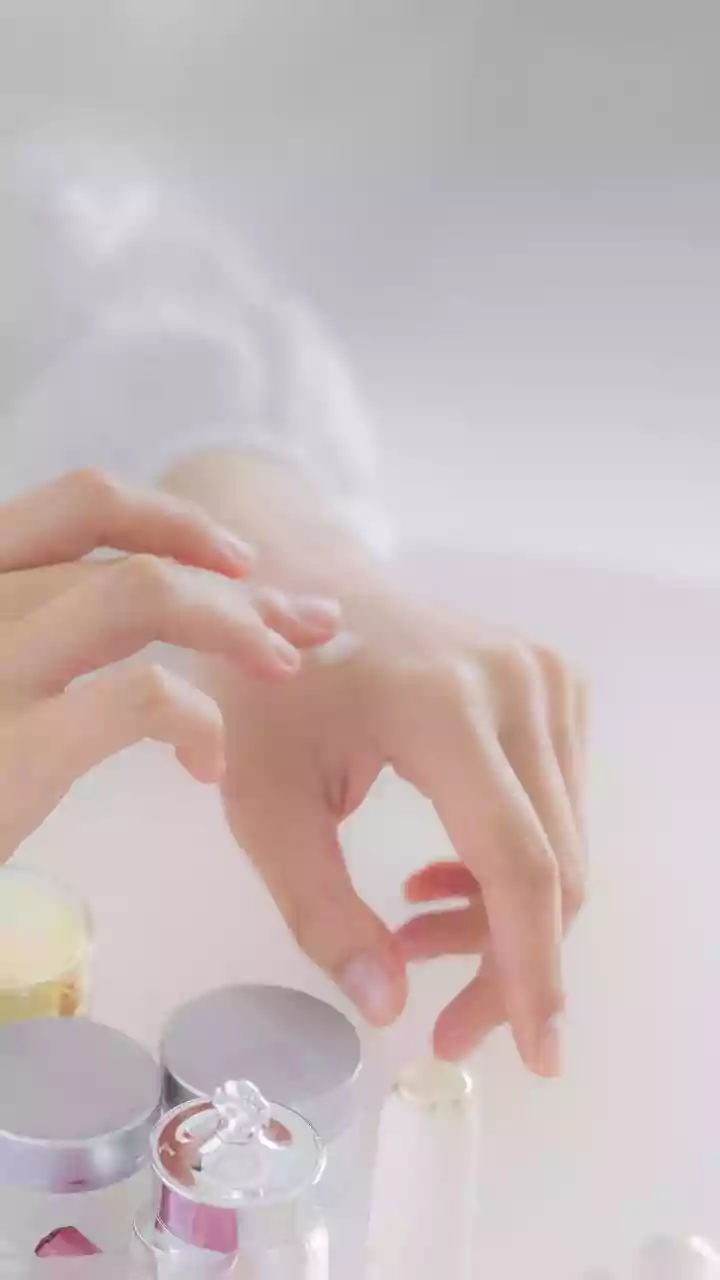
At the heart of this trend is the 'skinification' of makeup—the fusion of colour cosmetics with active skincare ingredients. Younger consumers increasingly view makeup as an extension of their skincare routine. Why simply cover the skin when your makeup could be actively improving it? This has fueled immense demand for hybrid products that do more than just provide coverage. Modern formulas are now commonly infused with hydrating and nourishing ingredients like hyaluronic acid, niacinamide, peptides, and vitamin C. Hyaluronic acid, a powerful humectant, plumps the skin with moisture, while ingredients like aloe vera soothe and calm irritation. This skin-first philosophy means consumers are more invested in the long-term health of their skin. They want products that deliver a dewy, hydrated glow from within, something that starts with a good skincare regimen and is supplemented by makeup, not covered by it.
The Rise of the Skin Tint
This shift in priorities has crowned a new hero product: the skin tint. Positioned perfectly between a moisturizer and a traditional foundation, skin tints offer sheer, breathable coverage that evens out skin tone without feeling heavy. Their primary appeal lies in their 'your skin but better' finish, which provides a fresh, dewy look that feels comfortable for all-day wear. Unlike foundations, which are formulated with a higher pigment load for maximum coverage, skin tints are designed to be forgiving and easy to apply, often with just your fingers. They cater directly to the desire for a simplified, effective routine. Many modern skin tints are multitaskers, combining light coverage with hydration and even SPF protection, further streamlining the morning routine. While foundation certainly still has its place for events requiring a more polished, long-wearing finish, the skin tint has become the new default for everyday life.
Authenticity and Ingredient Transparency
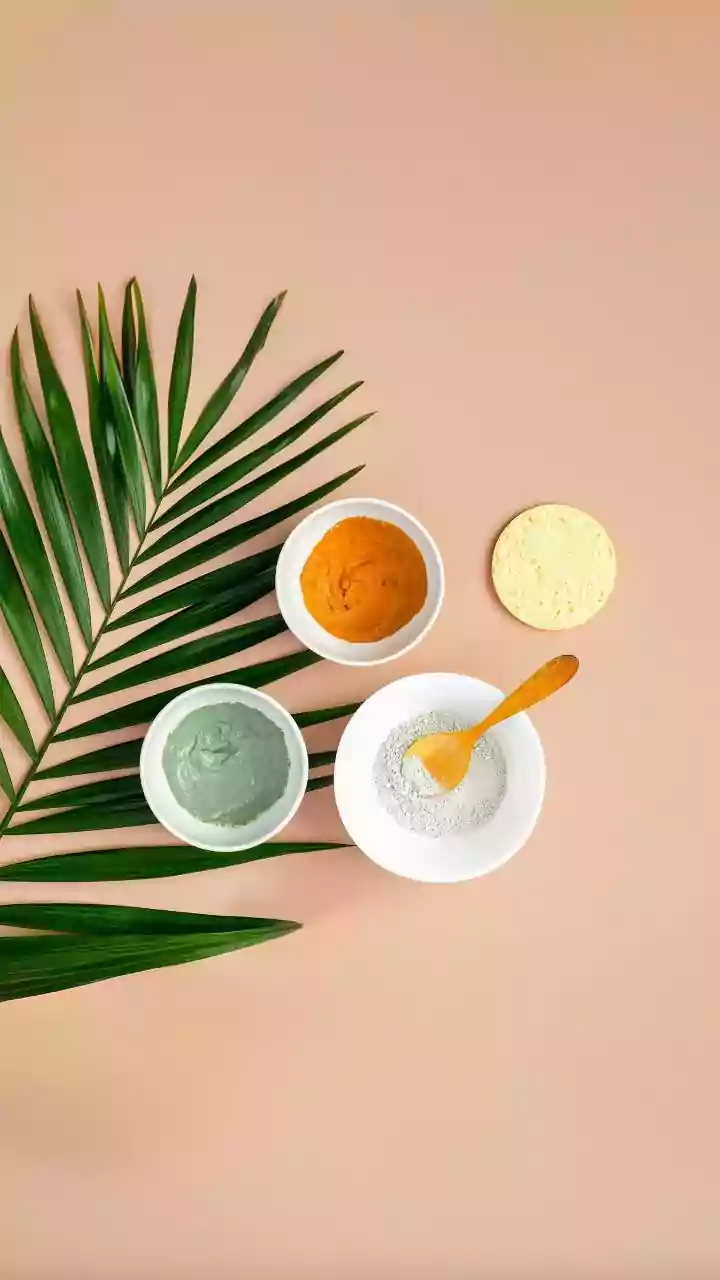
This trend is also deeply connected to a generational demand for authenticity and transparency. Having grown up surrounded by social media, Gen Z consumers are adept at spotting filters and unrealistic edits. This has fostered a collective move toward celebrating real, unfiltered skin. On platforms like TikTok, raw and relatable beauty content often gains more traction than highly polished posts, reinforcing the appeal of natural-looking makeup. This desire for authenticity extends to the products themselves. Young shoppers are paying closer attention to ingredient lists and brand ethics. They expect brands to be transparent about what is in their formulas and are increasingly opting for 'clean' products that avoid potentially harsh synthetic ingredients in favor of plant-based or skin-friendly alternatives. For this demographic, a product's value is judged not just by its performance, but by its ingredients and the brand's commitment to sustainability and ethical sourcing.