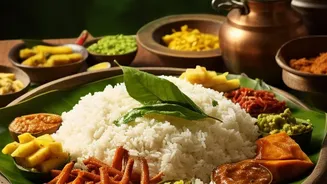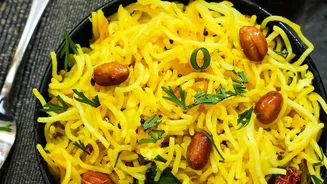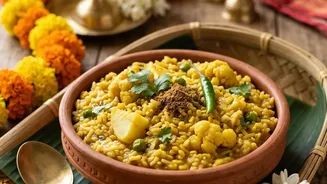

When we think of comfort food, a warm bowl of rice often comes to mind. But in India, rice is more than just a staple; it’s a canvas for an incredible diversity of regional flavours. Here’s why your next comfort food obsession lies hidden in them.
Karnataka’s Bisi Bele Bath
Translated
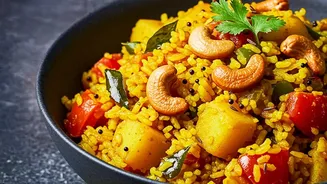
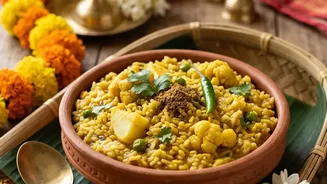
as 'hot lentil rice', Bisi Bele Bath is the quintessential one-pot meal from Karnataka that defines comfort. Tracing its origins to the royal kitchens of the Mysore Palace, this dish is a rich slurry of rice, toor dal, assorted vegetables, and a special spice blend known as Bisi Bele Bath powder. The magic is in the masala and the tartness from tamarind, all brought together with a generous dollop of ghee. It’s a complete meal that’s both nutritionally balanced and deeply satisfying, offering a complex symphony of spicy, sour, and savoury notes in every spoonful. The modern versions often include a variety of vegetables like carrots, peas, and beans, making it a wholesome meal.
Andhra's Pulihora
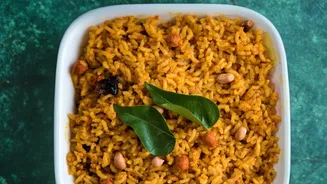
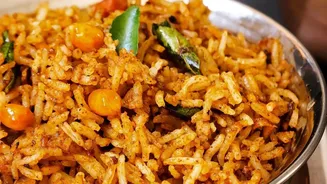
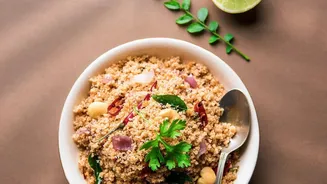
Pulihora, or tamarind rice, is a festive and temple food staple in Andhra Pradesh and Telangana. Its name literally means 'sour rice', a nod to its primary flavouring agent, tamarind. This dish is a masterclass in balancing flavours. Cooked rice is folded into a tangy paste of tamarind, jaggery, and a tempering of mustard seeds, lentils, peanuts, and curry leaves in sesame oil. What makes it an ultimate comfort food is its long shelf life and the fact that its flavours deepen over time, making it a perfect dish for lunchboxes and travel. The combination of sour, spicy, sweet, and nutty is intensely satisfying and evokes a sense of tradition and celebration.
Kerala’s Neychoru (Ghee Rice)
From the Malabar region of Kerala comes Neychoru, a deceptively simple yet elegant rice dish. The name means 'ghee rice', and it lives up to it. Using a short-grain, fragrant rice like Kaima or Jeerakasala, the grains are fried in generous amounts of ghee with whole spices like cinnamon, cloves, cardamom, and star anise. The rice is then cooked until fluffy and aromatic. What makes this an upgrade is its fragrant simplicity. Unlike a heavily spiced biryani, Neychoru is mild, allowing the pure aroma of ghee and whole spices to shine. It’s typically garnished with fried onions, cashews, and raisins, adding layers of texture and sweetness that make it feel like a hug in a bowl.
Bengal’s Ghee Bhat
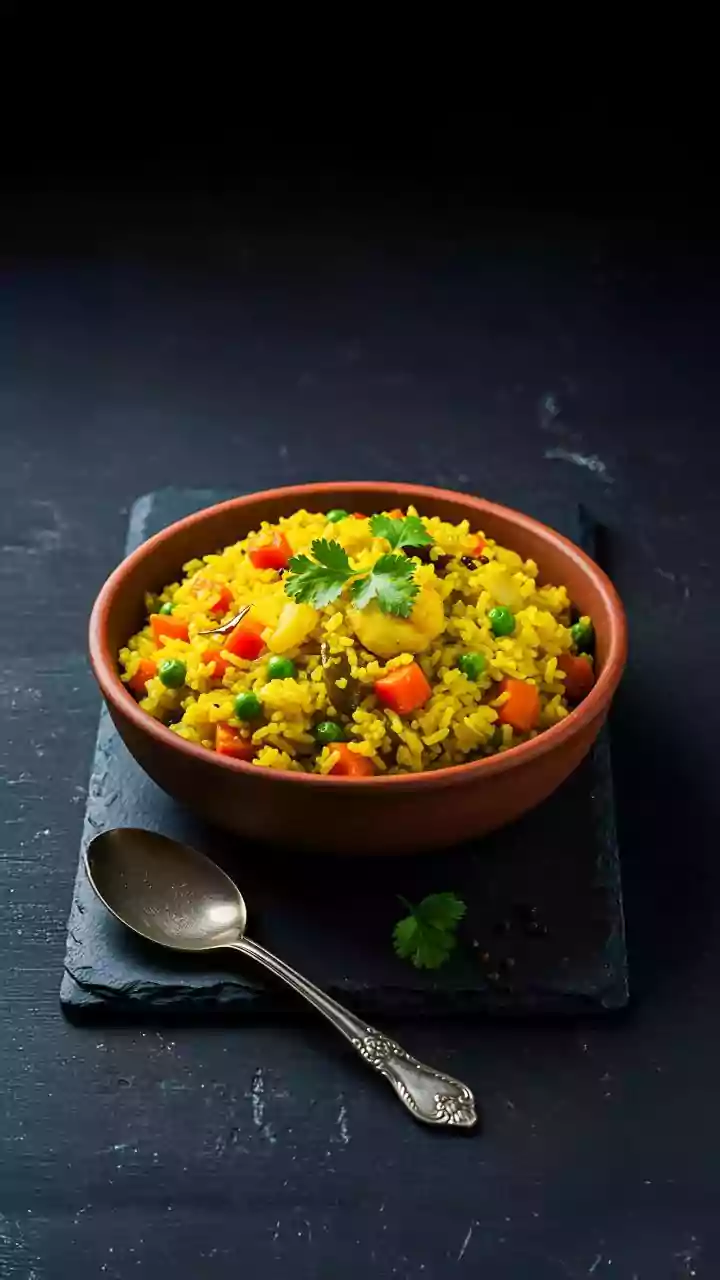
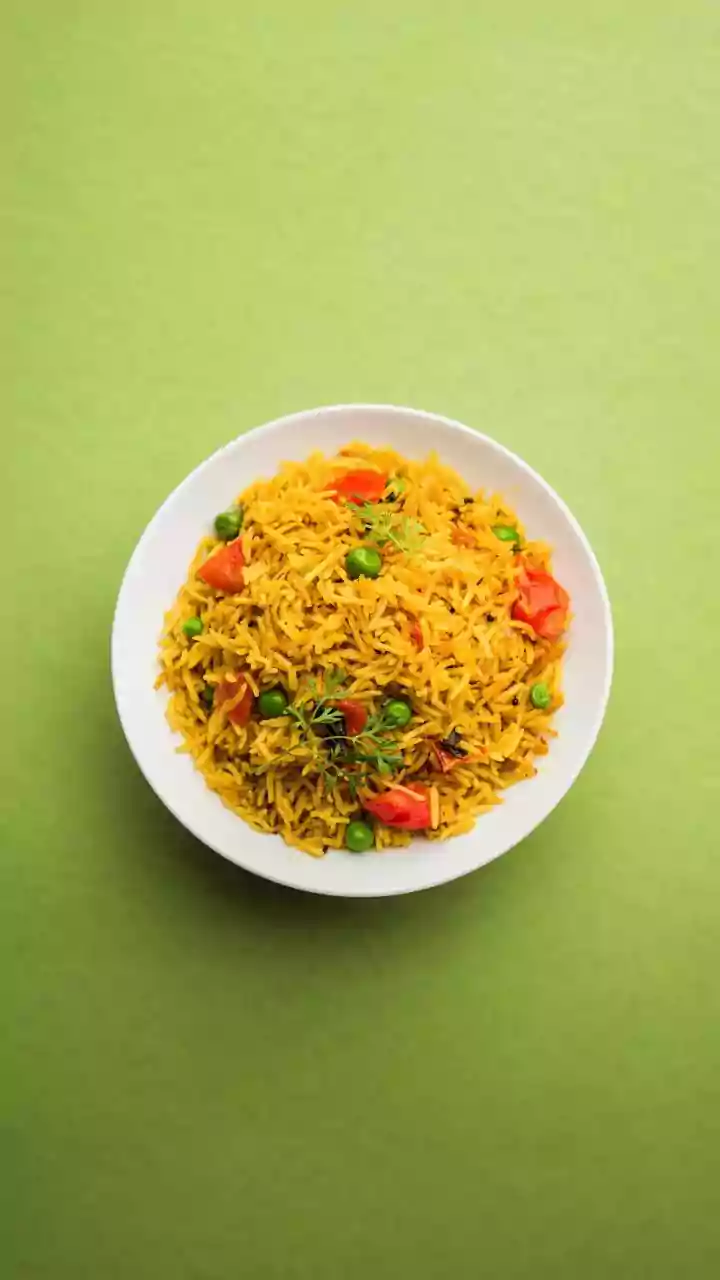
Not to be confused with Kerala's version, the Bengali Ghee Bhat, often called Mishti Pulao, leans towards a mildly sweet flavour profile. It's a festive dish, often made with fragrant Gobindobhog rice. The rice is sautéed in ghee with whole spices, cashews, and raisins. A touch of sugar is added to balance the salt, creating a delicate sweet-savoury taste that is characteristic of Bengali cuisine. Sometimes, colourful vegetables like carrots and peas are also added. This pulao is not just a dish; it's a celebration on a plate. The fragrance of the rice combined with the richness of ghee and the sweetness from sugar and raisins makes it a comforting and luxurious experience.
Maharashtra and Karnataka’s Vangi Bath
Vangi Bath translates to 'brinjal rice' and is a popular dish in both Maharashtra and Karnataka, with each region having its own take. At its heart, it’s a flavourful preparation where cooked rice is mixed with tenderly cooked brinjal and a special, freshly ground masala powder. This Vangi Bath powder is aromatic and complex, often containing roasted lentils, coriander seeds, and coconut. The brinjal becomes incredibly soft, absorbing all the flavours of the spices. It’s a testament to how a single vegetable can be transformed into a deeply comforting and satisfying meal, making it a fantastic upgrade from a simple vegetable pulao.