








Solve the Middle-Order Muddle
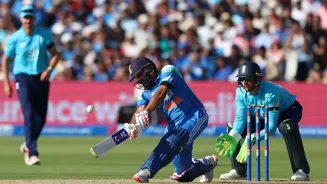
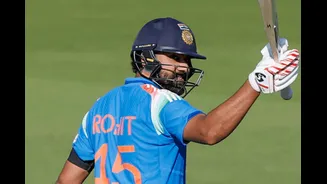
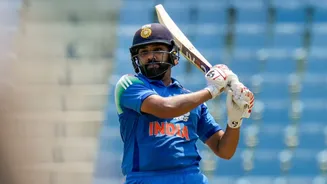
The foundation of any great ODI team is its engine room: the middle order. Right now, India’s is sputtering. While the top order, featuring the likes of Virat Kohli and a resurgent Rohit Sharma, showed its class, the batting from numbers four to seven
remains a significant concern. In the series decider, after a solid start, the middle order failed to provide the necessary impetus to chase down a mammoth total. Shreyas Iyer has been inconsistent, and players like Ishan Kishan and KL Rahul have struggled for runs in the series. This isn't a new problem; India has struggled for years to find settled players who can both anchor an innings and accelerate at the death. The team management must decide on a core group for these positions and back them, providing role clarity instead of constant shuffling, which only breeds insecurity and inconsistent performances.
Find a Genuine All-Rounder
Modern ODI cricket is a game of balance, and India's scales are tilted. The lack of a genuine fast-bowling all-rounder or even batters who can chip in with a few overs is hurting the team's structure. Against England, when the primary bowlers were under pressure, captain Shubman Gill had nowhere to turn. Compare this to top sides like England or Australia, who often have multiple multi-skilled cricketers, giving them flexibility and depth. While spin-bowling all-rounders like Axar Patel and Washington Sundar offer control, their wicket-taking ability on unhelpful surfaces can be limited, and their contributions with the bat remain inconsistent. Finding or developing a player who can reliably bowl ten overs of seam and bat effectively at number seven is not a luxury anymore; it is a necessity for winning major tournaments.
Rebuild the Pace Bowling Unit
The series against England starkly revealed how reliant India's pace attack is on the singular genius of Jasprit Bumrah. His absence in the final ODI was felt acutely as England piled on a record score at Lord's. The rest of the pacers looked inexperienced and lacked the bite to trouble the English batsmen, particularly in the powerplay and at the death. In the final ten overs of the decider, England scored 126 runs, a figure that effectively put the game out of India's reach. While injuries are part of the game, the drop-off in quality should not be this steep. India must invest in a pool of fast bowlers, giving them consistent opportunities to develop the skills and temperament required for international cricket, ensuring the entire attack doesn't crumble with the loss of one player.
Instill Clarity and Stability
Beyond the on-field tactics, a sense of instability seems to be creeping into the Indian ODI setup. This was Shubman Gill's third series defeat in four as captain, and some of his bowling changes and field placements appeared reactive rather than proactive. Furthermore, the series was played under a cloud of off-field speculation regarding the future of senior players, which, according to experts like Zaheer Khan, can disrupt the dressing room atmosphere. A successful team is built on a foundation of clear communication, stable leadership, and a long-term vision from the management. Players need to know their roles and feel secure in them. The management must address these underlying issues of clarity and create a more settled environment for the team to thrive in.