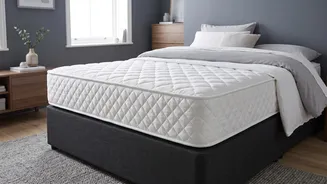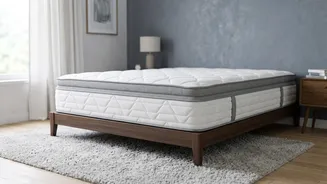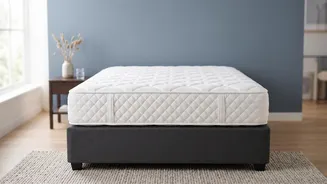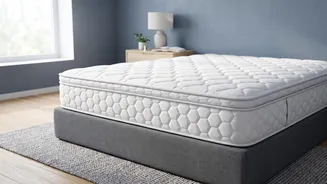







Shopping for a new spring mattress can feel overwhelming. Brands often boast about high coil counts and revolutionary comfort, but these claims can be confusing and misleading. To find true comfort, you need to look past the hype and understand the mechanics.
The Myth of More Coils
The most common marketing claim revolves around coil count — the total number of springs in a mattress. The logic seems simple: more coils equal more support. While a higher number can contribute to better body contouring, it is not the ultimate measure of quality. Experts agree that once a mattress reaches a certain threshold (typically around 800-1,000 coils for a queen size), the benefit of adding more diminishes significantly. A mattress with 800 well-made coils will easily outperform one with 1,500 poorly constructed ones. The quality of the materials and the design of the springs are far more important than the raw number alone.
Coil Gauge: The Unsung Hero of Durability
A more reliable indicator of a mattress's support and longevity is its coil gauge. This refers to the thickness of the wire used to make the springs. The scale works in reverse: a lower gauge number means a thicker, firmer wire, while a higher number indicates a thinner, more flexible wire. Most quality mattresses use gauges between 12 and 15. A lower-gauge coil (e.g., 12 or 13) offers robust support, resists sagging, and is ideal for heavier individuals or those who prefer a firm feel. A higher-gauge coil (e.g., 14 or 15) provides a softer, more adaptive surface. When durability is a priority, paying attention to the gauge is more critical than getting swayed by the coil count.
Not All Coils Are Created Equal
Beyond count and gauge, the type of coil system dramatically affects how a mattress feels and performs. There are four main types: Bonnell, offset, continuous wire, and pocketed coils. Bonnell coils are the oldest and most affordable, but they are interconnected and tend to transfer motion across the bed. Offset coils are an improvement, offering better contouring. Continuous wire systems are very durable but also struggle with motion isolation. Pocketed coils, where each spring is individually wrapped in fabric, are the modern standard for reducing motion transfer and providing targeted support. This makes them an excellent choice for couples, as one person's movement is less likely to disturb the other.
The Layers That Deliver Comfort
The coil system is the supportive core, but the initial feel of the mattress comes from the comfort layers on top. These can be made from materials like memory foam, latex, or polyurethane foam. These layers are responsible for pressure relief, cushioning joints like your hips and shoulders. A firm coil system can be paired with a plush pillow top to offer a blend of deep support and surface softness. Spring mattresses are also known for their breathability, as the open structure of the coil unit allows for better airflow, which helps regulate temperature throughout the night.
How to Choose the Right Firmness
Firmness is subjective, but it should be primarily chosen based on your dominant sleeping position and body weight. Side sleepers typically benefit from a softer to medium mattress that can cushion the shoulders and hips. Back sleepers generally need medium firm support to keep the spine aligned without creating pressure points. Stomach sleepers require the firmest support to prevent their hips from sinking too low, which can strain the lower back. If possible, always test a mattress in store by lying in your usual sleeping position for at least 10–15 minutes to get a true sense of its feel and support.