




Upgrade to Airtight Containers
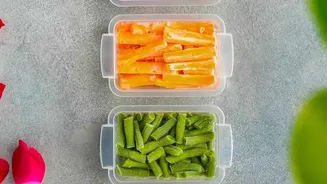
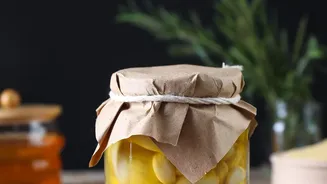
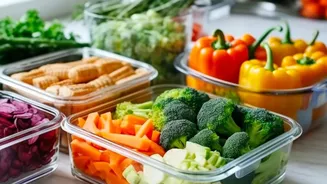
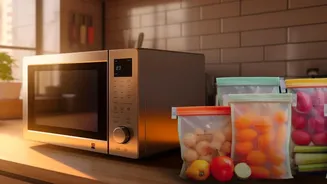
The single most important change for monsoon food storage is switching to airtight containers. High humidity means items like biscuits, chips, spices, and flours absorb moisture from the air, causing them to become soggy, clump together, or spoil. Plastic
pouches and loose-lidded jars are not enough to keep the dampness out. Invest in good quality glass or BPA-free plastic containers with secure, tight-fitting lids. Glass is particularly effective as it is non-reactive and creates a strong barrier against moisture. Transfer items out of their original packaging immediately to protect their texture and freshness.
Handle Vegetables with Extra Care
Fresh produce is highly susceptible to spoilage during the monsoon. A common mistake is washing vegetables as soon as you bring them home. It's best to wash them just before cooking, as excess moisture accelerates decay. If vegetables are wet from the market, pat them completely dry with a cloth or paper towel before storing. For leafy greens like spinach and coriander, wrap them in paper towels to absorb moisture before placing them in a ventilated bag or container in the fridge. This simple step keeps them crisp and fresh for longer.
Protect Your Spices and Flours
The high moisture content in the air during the rains can quickly ruin dry goods. Spices can lose their aroma and develop mould, while flours are prone to clumping and insect infestation. Store them in airtight glass jars in a cool, dark cabinet, away from the steam of the stove or a sunny window. Never use a wet spoon to scoop out spices, as even a tiny amount of moisture can trigger spoilage. A traditional Indian kitchen hack is to add a few dried neem or bay leaves to containers of rice and flour, which act as natural insect deterrents. For extra protection, you can lightly roast items like sooji (rava) and whole spices before storing to remove any hidden moisture.
Organise Your Refrigerator Wisely
Your refrigerator works overtime during the monsoon, but it needs to be managed properly to be effective. Keep it clean and organised to prevent cross-contamination. Store raw meat, poultry, and fish on the bottom shelf in sealed containers to prevent their juices from dripping onto other foods. Some fruits and vegetables, like tomatoes, produce ethylene gas which can cause other produce to ripen and spoil faster, so store them separately. Don't overcrowd the fridge, as this restricts airflow and creates warm spots where bacteria can grow. Regularly check for and discard any spoiled items to prevent mould from spreading.
Avoid Buying in Bulk
While stocking up can be convenient, it's a risky strategy during the monsoon. With food spoiling faster due to humidity, it's wiser to buy ingredients in smaller quantities and replenish them more frequently. This ensures you are always using fresh ingredients and reduces the chances of having to throw away food that has gone bad. Pay close attention to expiry dates and regularly inspect your pantry for any signs of spoilage, such as off-smells, clumps, or discolouration.
Reheat Food Thoroughly
Given the higher risk of bacterial growth, it's a good practice to always eat freshly prepared, warm food. If you are eating leftovers, make sure to reheat them thoroughly until they are piping hot. This helps kill any harmful bacteria that may have developed during storage. Try to cook in smaller batches to minimise leftovers and reduce the risk of foodborne illnesses that are more common during this season.