


The High Cost of Freezer Anonymity
An unlabeled container in the freezer is a problem waiting to happen. At best, it disrupts your meal planning. At worst, it contributes to food waste and potential safety concerns. When you can't identify what's inside, you're less likely to use it. That
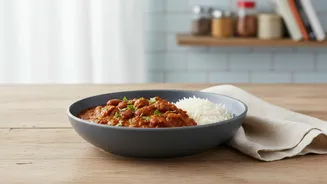
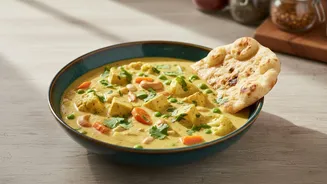
perfectly good batch of keema or vegetable stew gets pushed to the back, eventually succumbing to freezer burn and ending up in the bin. The United States Department of Agriculture estimates that food waste is a significant issue, and poor storage practices are a major contributor. Playing 'freezer roulette' not only costs you money in discarded food but also wastes the time and effort you spent cooking it in the first place.
Anatomy of the Perfect Freezer Label
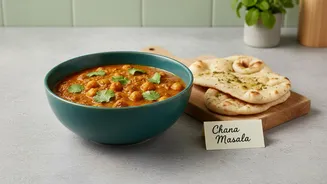
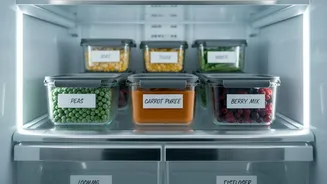
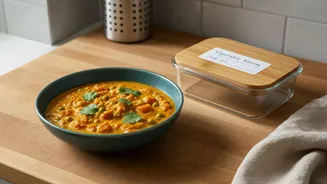
A truly effective freezer label is simple but contains non-negotiable information. To transform your freezer from a chaotic ice cave into an organised library of meals, every label should include three key details. First, the name of the dish. Be specific—'Chicken Curry' is good, but 'Spicy Chettinad Chicken Curry' is better, especially if you have multiple versions. Second, the date it was frozen. This is the most crucial piece of information for judging both quality and safety. Finally, consider adding the quantity or number of portions. This helps immensely when planning meals, allowing you to pull out exactly what you need for a family dinner or a solo lunch.
Why the Date Is Not Just a Suggestion
Freezing is an excellent way to preserve food because it halts the growth of harmful microbes. Food stored constantly at -18°C or below will, in theory, be safe to eat indefinitely. However, safety and quality are two different things. Over time, all frozen food experiences a decline in quality. Moisture loss leads to freezer burn, fats can go rancid, and textures can become unpleasantly grainy or tough. A date helps you follow the 'First In, First Out' (FIFO) principle, ensuring you use older items first while they are still at their best. For prepared Indian meals like curries and dals, peak quality is generally maintained for 3-6 months. While they may be safe beyond this, the vibrant flavours and textures will have noticeably diminished.
A Simple System for Success
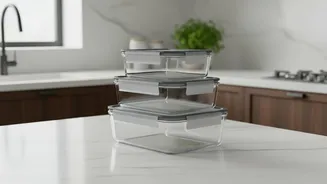
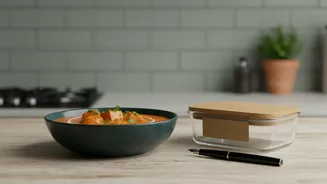
Creating a labeling habit doesn't have to be complicated. The key is to make it part of your routine. Keep your labeling tools—a permanent marker and your labels of choice—right next to where you pack your food for freezing. Don't tell yourself you'll remember what it is or that you'll label it later; do it immediately while the container is clean, dry, and at room temperature for the best adhesion. There are many tools available, from simple masking tape and a marker to specialised removable freezer labels that don't leave a sticky residue, or even dissolvable labels that wash away with water. The best system is the one you will consistently use.
Beyond the Basics: Advanced Labeling
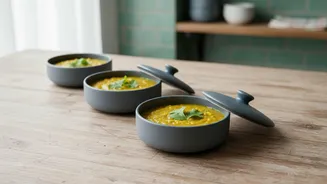
Once you have the basics down, you can upgrade your system. Consider adding reheating instructions directly on the label, such as "Thaw in fridge overnight, reheat on stovetop." This is a lifesaver for other family members who might be using the meal. If anyone in your household has allergies, noting key ingredients can be a critical safety step. Some organised cooks even use a colour-coded system with different coloured labels or marker inks for different types of protein (e.g., green for vegetarian, red for mutton, blue for chicken) to make grabbing the right meal even faster.