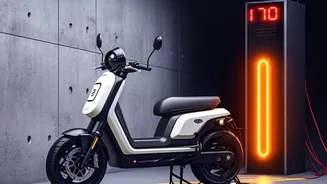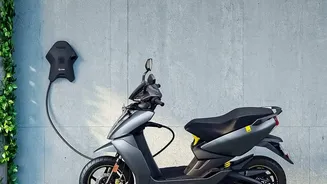


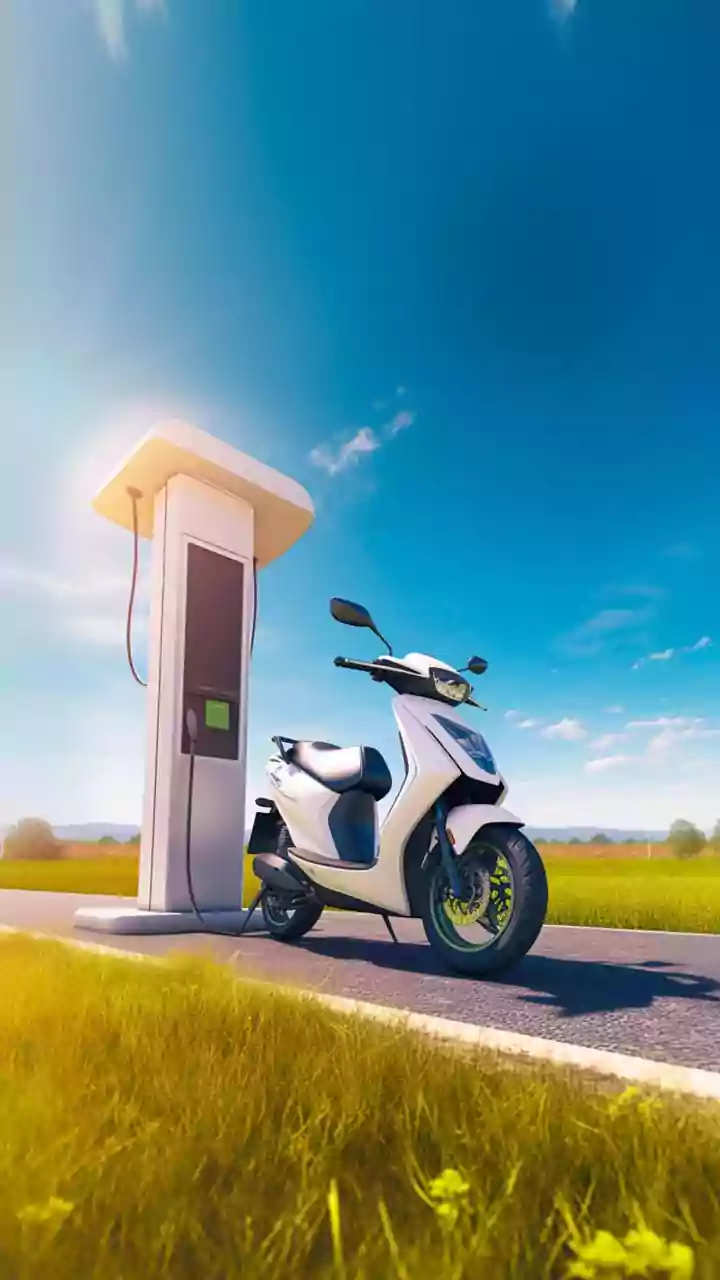

The Current Charging Conundrum
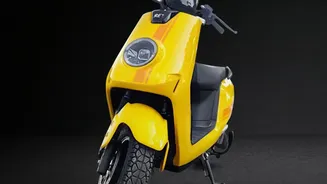
For the millions embracing electric scooters and motorcycles, the reality of 'juicing up' can be a test of patience. Unlike filling a petrol tank in minutes, charging a conventional lithium-ion battery can take anywhere from one to four hours, depending
on the charger and battery size. This long downtime is a significant inconvenience for daily commuters and a dealbreaker for commercial users like delivery riders, who lose precious time and money with every hour the vehicle is plugged in. The current battery technology, which uses a liquid electrolyte to move charge, has practical limits on how fast it can safely be charged without causing damage or overheating.
The Solid-State Solution Explained
Enter solid-state batteries (SSBs), a next-generation technology poised to solve the charging puzzle. The core innovation is simple in concept but revolutionary in practice: replacing the flammable liquid electrolyte found in today's batteries with a solid material, such as a thin layer of ceramic, polymer, or glass. This fundamental change allows ions—the particles that carry electric charge—to move more efficiently and safely between the battery's electrodes. Think of it as upgrading from a winding country lane to a multi-lane expressway for electricity, allowing for a much faster and more controlled flow of energy.
Supercharging Your Ride
So, how does this solid expressway translate to faster charging? Because solid electrolytes are more stable and less prone to the issues that plague liquid ones, they can handle much higher rates of electricity. While current batteries might take 30-45 minutes to get an 80% charge, solid-state technology promises to slash that time dramatically. Some developers are demonstrating charge times of 10-15 minutes for a near-full charge, and some projections even suggest it could be as quick as five minutes. This effectively bridges the convenience gap between refuelling a petrol scooter and recharging an electric one, turning a multi-hour wait into a brief pit stop.
More Than Just Speed
The benefits of solid-state technology extend far beyond quick charging. By eliminating the flammable liquid, these batteries are inherently safer and have a much lower risk of thermal runaway or fires—a key concern that has surfaced with some current EVs. They can also pack more energy into the same amount of space, a metric known as energy density. For riders, this means two exciting possibilities: either a much longer range from a battery of the same size, or a lighter, more nimble scooter that offers the same range as today's models. Furthermore, SSBs are expected to have a longer lifespan, potentially lasting 15-20 years compared to the 5-8 years of conventional batteries.
The Road to Reality in India
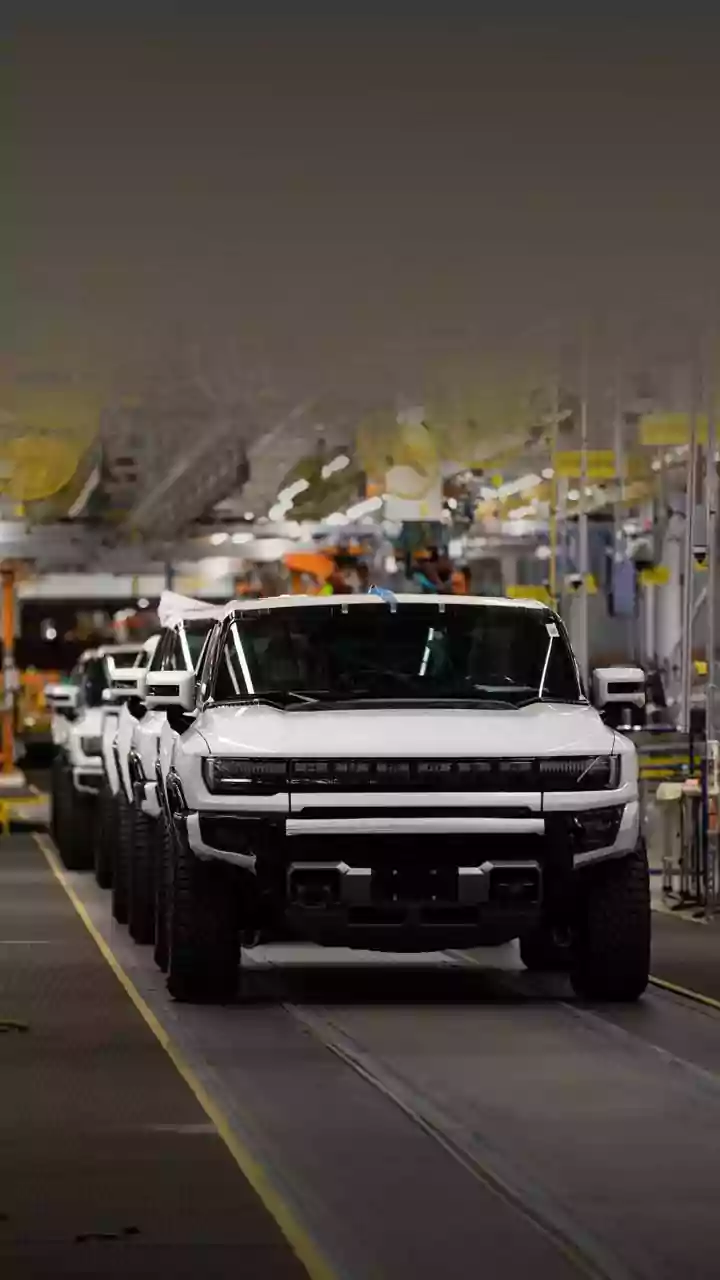
While the technology is incredibly promising, solid-state batteries won't be on every electric two-wheeler overnight. The primary hurdles are currently manufacturing costs and scaling up production to meet massive demand. However, the race is on. Several global automotive giants and specialized battery firms are investing billions, with some semi-solid and full solid-state batteries beginning to appear in niche, high-end vehicles. In India, companies like Ola Electric have already announced that they are actively developing the technology. Experts predict a phased rollout, with mass-market adoption and cost parity with lithium-ion batteries likely closer to 2030, but the journey has already begun.