





Find Your Green Corner
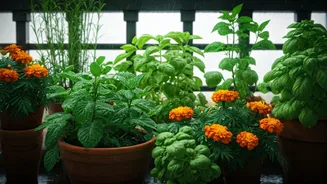
First, identify your space. Most urban homes have a balcony, a windowsill, or even a small terrace that gets a few hours of sunlight. This will be your canvas. The amount of direct sunlight your chosen spot receives will determine which plants you can grow.
Most monsoon vegetables and flowers need at least 4-5 hours of sunlight. Observe the light patterns for a day or two before you buy your plants. Also, consider accessibility. You'll need to water, prune, and check on your plants regularly, so choose a spot that’s easy to reach.
Choose the Right Containers
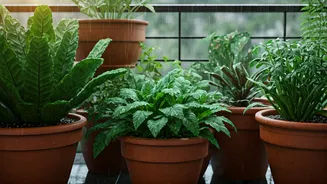
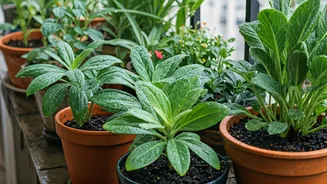
Your pots and containers are your garden beds. The most important feature is drainage. Ensure every pot has holes at the bottom to let excess water escape, which is crucial during the heavy rains of the monsoon to prevent root rot. Terracotta or clay pots are excellent choices as they are porous and allow roots to breathe. However, they are heavy and can break. Lightweight plastic or fibre pots are good alternatives. The size of the pot matters too. Leafy herbs can thrive in smaller 6-8 inch pots, while fruiting plants like brinjal or tomatoes will need larger 12-15 inch containers to grow well.
Create the Perfect Soil Mix
You can’t just use soil from the ground. It becomes compact in pots and leads to poor drainage. For a container garden, you need a special potting mix that is light, airy, and nutrient-rich. A great DIY mix for the monsoon is one part garden soil, one part compost (like vermicompost), and one part cocopeat or sand. Cocopeat helps retain moisture without becoming waterlogged, while sand improves drainage. This combination ensures that your plant roots get the oxygen they need and the soil doesn’t turn into a block of mud during continuous rain.
Select Your Monsoon Champions
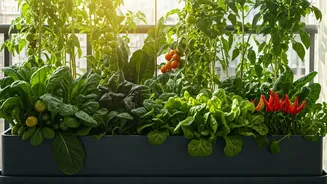
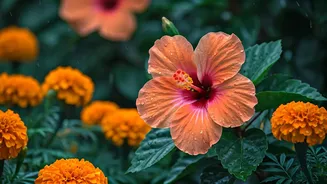
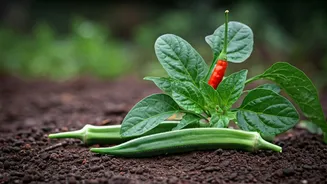
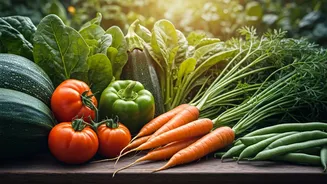
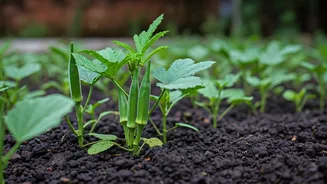
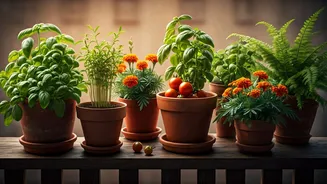
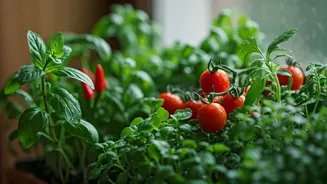
The best part! Choose plants that love the high humidity and ample water of the monsoon season. For vegetables, this is the perfect time for creepers and gourds if you have space for a trellis. Otherwise, consider growing Bhindi (Okra), Baingan (Brinjal), chillies, and tomatoes. For leafy greens, Amaranth (Chaulai) and Malabar Spinach (Poi Saag) are fantastic choices. If you prefer herbs, nothing beats a fresh supply of Tulsi, mint, and coriander. For a splash of colour, plant monsoon-blooming flowers like Balsam (Gulmehendi), Marigold (Genda), Hibiscus, and Portulaca (Office Time flower).
Master Monsoon Plant Care
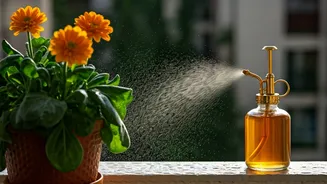
Gardening in the monsoon requires a slightly different approach. While the rain might seem sufficient, you still need to check the soil. If the top inch feels dry, water your plants. Don't overwater. The humid weather is also a breeding ground for pests and fungal diseases. Regularly check the undersides of leaves for pests. A simple spray of neem oil solution (a few drops of neem oil and liquid soap mixed in a litre of water) every 10-15 days can act as a natural pesticide. If your balcony receives very heavy, direct rainfall, consider moving the delicate plants to a sheltered spot to prevent damage to leaves and flowers.