


Why Humidity Is a Plant's Best Friend
Plants 'breathe' through tiny pores on their leaves called stomata. They release water vapour through these pores in a process called transpiration. The humidity level in the air dictates how quickly this happens. In very dry air, plants lose moisture
too fast, faster than their roots can absorb water. This stresses the plant, forcing it to work overtime just to stay hydrated. Most common tropical houseplants, which includes favourites like Monsteras, Philodendrons, and Pothos, are happiest in a humidity range of 40% to 60%. Cacti and succulents, adapted to arid conditions, prefer lower levels around 10% to 30%, while delicate ferns and Calatheas crave higher humidity, sometimes up to 70%.
Signs Your Home Is Too Dry
During dry winters or in air-conditioned rooms, humidity can plummet, and your plants will show it. The most common tell-tale sign is the appearance of brown, crispy edges or tips on the leaves. This happens because the cells at the leaf margins are the last to receive water and the first to dry out. You might also notice leaves curling inwards to conserve moisture or new leaves emerging that look stunted or misshapen. In some cases, flowering plants might even drop their buds before they get a chance to bloom, a clear signal that the air is just too dry for them to sustain flowering.
Easy Ways to Increase Humidity
You don't need expensive gadgets to create a more humid environment. The simplest method is to group your plants together. As they transpire, they collectively raise the moisture level in their immediate vicinity, creating a beneficial microclimate. Another popular DIY solution is the pebble tray. Simply fill a shallow tray with pebbles and water, then place your plant pot on top. The pebbles ensure the pot isn't sitting directly in water, which prevents root rot, while the evaporating water provides a steady stream of humidity. Regular misting can offer a temporary boost, but its effects are short-lived. For a more significant and consistent increase, especially for a large collection of tropical plants, investing in a small electric humidifier is the most effective option.
The Monsoon Problem: When It's Too Humid
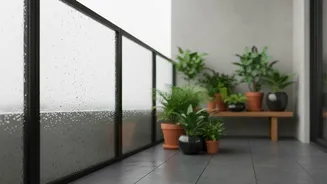
While many tropical plants enjoy humidity, the Indian monsoon can push conditions to an unhealthy extreme for indoor plants. When air is constantly saturated with moisture, the soil in your pots stays wet for far longer, reducing airflow to the roots. This creates the perfect breeding ground for fungal diseases, like powdery mildew, and root rot. Signs of trouble include yellowing leaves, a musty smell from the soil, and the appearance of mould on the soil surface. Pests like fungus gnats also thrive in these perpetually damp conditions.
How to Manage Excess Moisture
The key to surviving the monsoon is improving drainage and airflow. First, reduce your watering frequency significantly; always check that the top inch or two of soil is dry before watering again. Ensure your pots have ample drainage holes and are not sitting in water-filled saucers. Spacing your plants further apart can also help improve air circulation around them. Consider using a small fan for a few hours a day to keep the air moving, which helps dry the soil surface and discourages fungal growth. During these months, it's also wise to reduce or stop fertilising, as plants grow slower in the lower light conditions and can't use the extra nutrients, which can lead to root burn.