







The Allure of the Price Drop
For decades, the monsoon was seen as a travel dead zone, leading to dramatically lower demand and, consequently, lower prices. While the season's popularity is surging, the value proposition remains strong. Many hotels and resorts, particularly in traditional
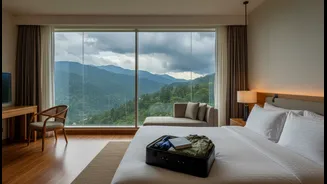
tourist hotspots, slash their rates by 20% to 50% between June and September. This drop makes luxury properties that seem out of reach during peak winter season suddenly accessible. For instance, a premium hotel in Rajasthan or a luxury resort in Kerala can become surprisingly affordable, allowing travellers to upgrade their experience without stretching their budget. Travel companies and hotel chains are leaning into this trend with dedicated monsoon sales, offering bundled deals that often include meals, spa discounts, and other perks, further sweetening the deal for rain-loving vacationers.
Flexibility: The Monsoon Must-Have
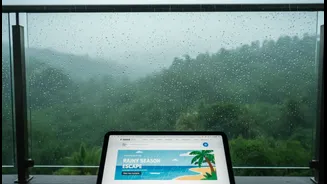
Monsoon travel comes with a degree of unpredictability. A sudden downpour can lead to waterlogged roads or flight delays, making rigid travel plans a liability. Recognising this, the Indian travel industry has increasingly embraced flexibility. Booking platforms like Goibibo, MakeMyTrip, and Yatra now prominently feature hotels with free cancellation and “book now, pay later” options. This allows travellers to secure a room without financial risk, a crucial factor when a trip might be altered by weather. Some innovative platforms even offer hourly bookings or flexible check-in and check-out times, catering to those whose plans are fluid. Reading the cancellation policy carefully has become as important as checking the room's view, as it provides the peace of mind needed to truly enjoy a monsoon adventure.
Discovering Quieter Destinations
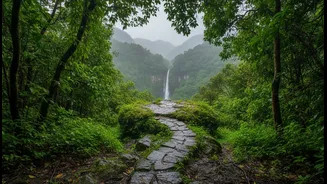
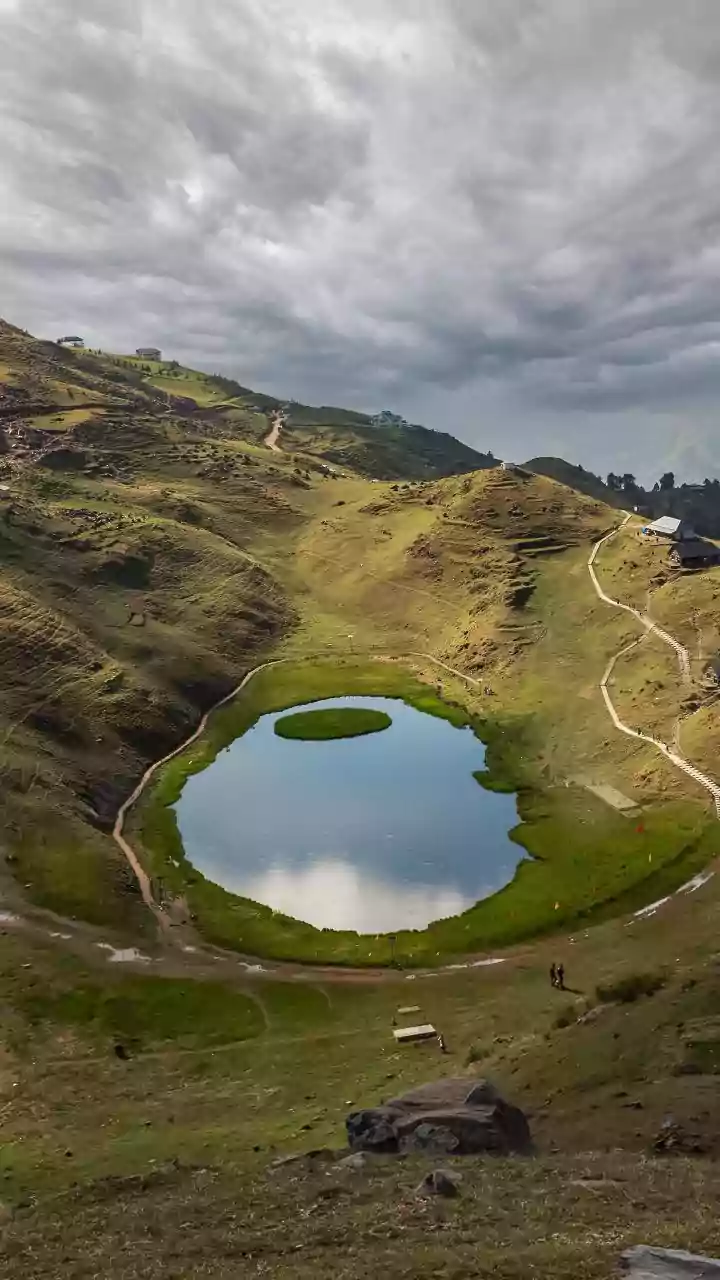
While popular destinations like Goa and Lonavala are seeing a monsoon boom, many travellers are using this season to explore less crowded, off-beat locations. The rains transform arid landscapes and quiet hill stations into lush, serene paradises. Destinations in the Western Ghats, such as Coorg, Chikmagalur, and Wayanad, become intensely green, with mist-covered hills and roaring waterfalls. Even Rajasthan's cities, like Udaipur, offer a different charm as lakes fill up and the Aravalli Hills turn green. The appeal is twofold: travellers get to experience these places at their natural best and with thinner crowds than in peak season. This shift also means discovering regional gems like Saputara in Gujarat or the serene backwaters of Alleppey, which offer unique cultural and natural experiences away from the tourist rush.
Making the Right Decision
Connecting these three factors—price, flexibility, and destination—is the key to a successful monsoon trip. It's no longer just about finding the cheapest deal, but the smartest one. An increasing number of Indian travellers are prioritising experiences over just visiting a place. They are asking critical questions before booking: Does the hotel have a flexible cancellation policy in case of weather disruptions? Is the destination known for landslides or flooding? Is the lower price worth the risk of being stuck indoors, or does the hotel offer compelling indoor activities? Many are finding a sweet spot in destinations that offer both attractive pricing and a unique monsoon experience, such as wellness retreats in Kerala, where the humid climate is considered ideal for Ayurvedic treatments. Ultimately, the modern Indian traveller is making a calculated decision, weighing the pros and cons to create a perfect, rain-soaked escape.