





Understanding the 88-Port Network
The expansion of India's e-visa system is a significant move to boost tourism and streamline entry procedures. The 88 designated ports are not just a random collection; they are a strategic mix of air, sea, and land gateways. As of a recent government
notification, the network includes 37 airports, 38 seaports, and 13 land ports. This expansion is the latest step in a process that began in 2014, evolving from a program for 43 countries to one now available to citizens of over 170 nations. The goal is to make arriving in India as convenient as applying for the visa itself, which is done entirely online.
Bottleneck 1: The Airport Arrival Maze
For years, a common complaint for international travelers was being funneled through a few meg-hubs, leading to long immigration queues and complex domestic transfers. The newly expanded list tackles this head-on. It now includes airports like Bhopal and Tirupati. The inclusion of Bhopal provides a direct entry point to central India, while Tirupati serves one of the world's busiest pilgrimage sites. This means travelers can fly closer to their final destination, avoiding the stress and congestion of airports in Delhi or Mumbai. It offers greater flexibility in planning itineraries and can reduce overall travel time and cost. By distributing arrivals across more airports, the system aims to reduce pressure on major immigration hubs.
Bottleneck 2: Limited Sea and Land Entry
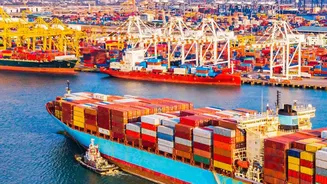
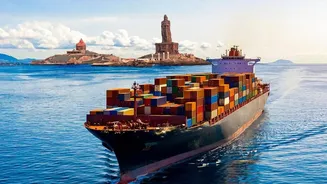
Previously, the e-visa was heavily skewed towards air travel, creating a major obstacle for cruise passengers and overland adventurers. The new list dramatically changes this reality. With 38 seaports now on the list, India is better equipped to handle the growing cruise tourism industry. More importantly, the list now features 13 land ports, a significant increase. This includes nine new additions like the Attari road crossing on the border with Pakistan, Jaigaon on the Bhutan border, and Moreh on the Myanmar border. For overland travelers, this is a game-changer, opening up new routes and making regional travel across South Asia more seamless. It acknowledges that modern travel isn't just about flying into a capital city.
Bottleneck 3: Boosting Regional and Niche Tourism
A major challenge for India's tourism sector has been dispersing visitors beyond the well-trodden 'Golden Triangle'. By activating e-visa facilities in Tier-2 and Tier-3 cities, the government is actively encouraging travel to less-explored regions. The inclusion of land borders with Bangladesh, Bhutan, and Myanmar directly promotes cross-border tourism and strengthens regional ties. For example, adding the Dawki crossing in Meghalaya opens up one of Northeast India's most scenic regions to international tourists who can now plan overland trips from Bangladesh. This diversification not only enriches the travel experience but also helps distribute tourism revenue more evenly across the country, easing pressure on overcrowded destinations.