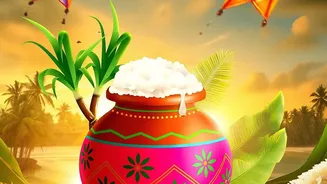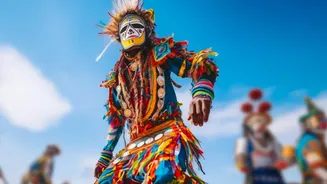



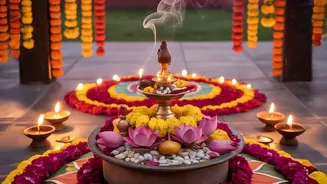
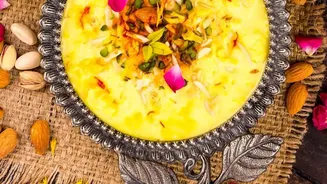
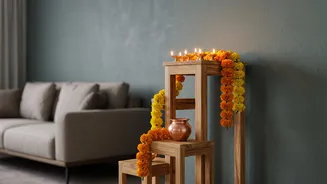
The nine sacred nights of Navratri are here, filling the air with devotion and festive cheer. Across India, this celebration of divine feminine energy is taking on a beautiful new form, as regional customs begin to blend into a vibrant, shared mosaic.
The Unifying Spirit of Nine Nights
At its core, Navratri is a nine-night festival dedicated to the goddess Durga and her victory over the demon Mahishasura, a timeless story of good triumphing over evil. Sharad Navratri, which in 2026 began on October 11th, is celebrated nationwide, but its expressions are as diverse as India itself. While the goddess being worshipped is the same, the rituals, foods, and community activities vary dramatically from state to state. Yet, in an increasingly connected India, these distinct celebrations are no longer confined to their regions of origin. They are starting to influence one another, creating a richer, more integrated festive experience for everyone.
Gujarat’s Rhythmic Whirlwind Goes Nationwide
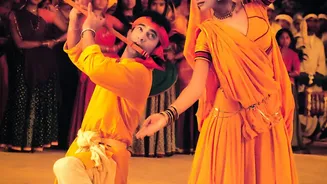
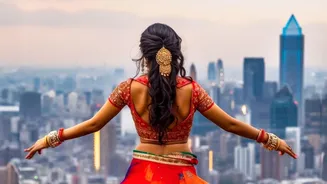
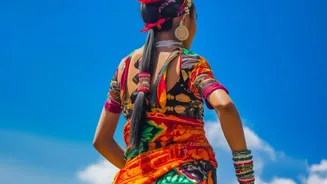
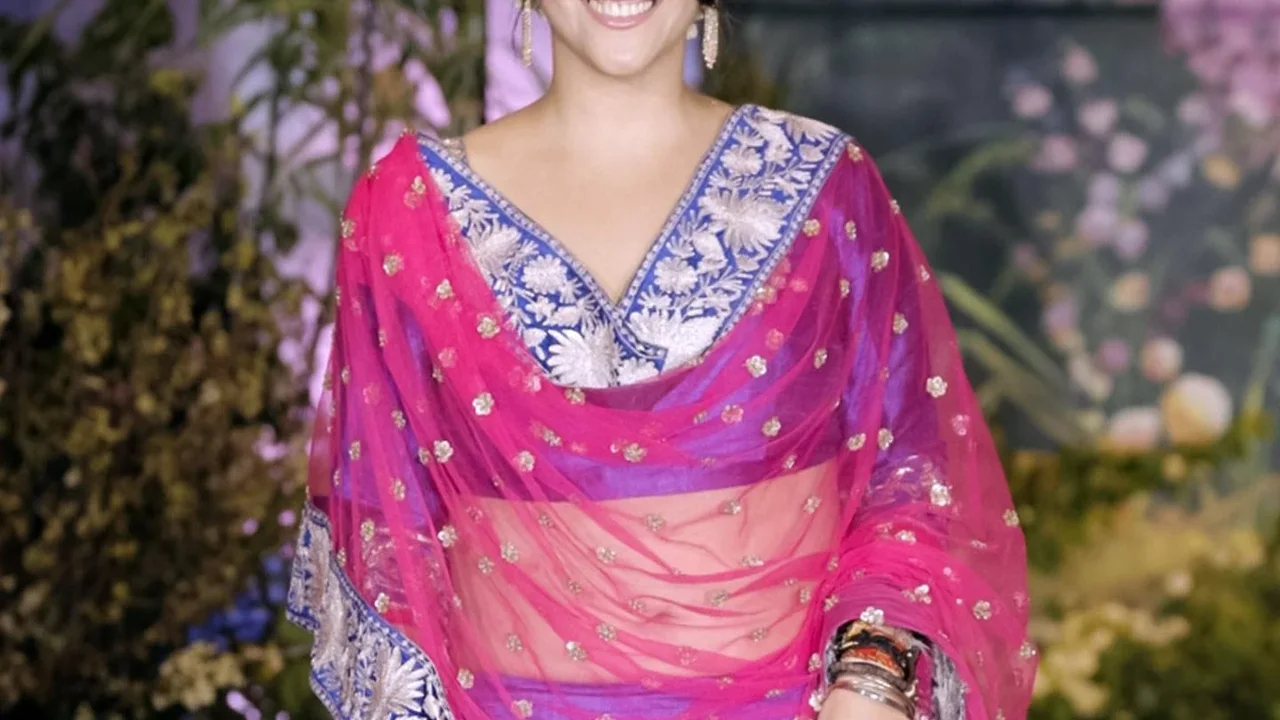
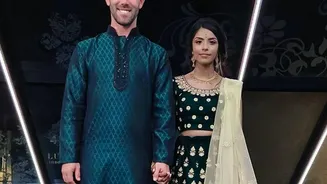
When you think of Navratri, the first image that often comes to mind is the energetic swirl of Garba and the playful click-clack of Dandiya Raas. Originating in Gujarat, Garba is a devotional circular dance performed around a lamp, symbolizing the cycle of life. Dandiya Raas, performed with decorated sticks, often follows, representing the mock battle between Durga and Mahishasura. Once a uniquely Gujarati experience, these dances are now staples of Navratri celebrations in cities like Mumbai, Delhi, and Bengaluru. Residential societies and event organizers host massive Garba nights, drawing participants from all cultural backgrounds who come dressed in vibrant chaniya cholis to join the dance.
Bengal’s Grand Homage and Artistic Splendour
In West Bengal and other eastern states, the final days of Navratri are celebrated as Durga Puja, a festival so grand it has been recognized by UNESCO. The celebration is famous for its large, artistically themed pandals—temporary structures built to house magnificent clay idols of Goddess Durga slaying the demon. Pandal-hopping to admire the artistry has become a popular activity not just for Bengalis but for people across major Indian cities where Durga Puja is celebrated. The festival is a multi-day cultural extravaganza, marked by traditional drumming, devotional dances, and community feasts, signifying a homecoming and a celebration of collaborative art.
The Southern Spectacle of Dolls
In South India, particularly Tamil Nadu, Karnataka, and Andhra Pradesh, Navratri is marked by the beautiful tradition of Golu (or Bombe Habba). This involves the thematic display of dolls and figurines on an odd-numbered series of steps. These displays often narrate legends from Hindu texts, depict scenes from daily life, or tell stories of spiritual progression. Traditionally a household affair, Golu is gaining wider appreciation as families share pictures of their creative displays on social media. This has led to a growing interest in the tradition, with people from other communities often visiting homes to see the arrangements and share in the festive snacks, like sundal, that are prepared daily.
North India’s Epic Narratives and Reverence
Across North India, Navratri is deeply connected to the epic Ramayana. Many communities stage Ramlila, a folk dramatization of Lord Rama's life, which culminates on the tenth day (Dussehra) with the burning of massive effigies of the demon king Ravana. Within homes, the festival is also observed with fasts and a significant ritual called Kanya Pujan or Kanjak. On the eighth or ninth day, nine young girls, seen as earthly manifestations of Goddess Durga, are worshipped. They are welcomed into homes, their feet are washed, and they are offered a special meal and gifts as a mark of respect for the divine feminine.
A Beautiful Cultural Mosaic
So what is driving this cultural fusion? Urbanization and migration play a huge role, as people from different states bring their unique customs to new cities. This creates a melting pot where a Durga Puja pandal might host a Dandiya night, or a Golu display might incorporate themes from North Indian mythology. Social media platforms amplify this exchange, allowing millions to witness and appreciate traditions they may not have grown up with. The result is a Navratri that feels more inclusive and diverse than ever, where participating in another community's celebration is seen as a way of honouring the same divine spirit in a different, beautiful form.