








The Annual Cycle of Predictable Chaos
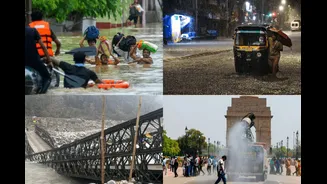
For residents of cities like Lucknow, Patna, Kanpur, and Gaya, the monsoon brings a predictable mix of relief and dread. The relief from summer heat is quickly washed away by the reality of overwhelmed infrastructure. Major roads become impassable, economic
activity grinds to a halt, and low-lying residential areas are inundated. This is more than a mere inconvenience; it's a public health crisis in the making, as stagnant water mixes with overflowing sewage, creating breeding grounds for waterborne diseases like cholera and dengue. In previous years, severe rainfall has led to dozens of deaths and large-scale displacement in both states. The annual response—last-minute de-silting of drains and reactive pumping—treats the symptom, not the cause. This approach has proven woefully inadequate against increasingly erratic and intense rainfall, a pattern amplified by climate change in the Gangetic plains.
Moving Beyond Outdated Solutions
The core of the problem lies in how our cities are built. Rapid and often unplanned urbanisation has led to a massive increase in concrete surfaces, leaving little room for rainwater to be absorbed into the ground. Natural water bodies and wetlands, which once acted as natural sponges, have been encroached upon or built over. The result is a massive volume of stormwater runoff that our decades-old drainage systems simply cannot handle. Simply cleaning or widening these drains is a temporary fix. What UP and Bihar need is a paradigm shift towards 'rain-ready' planning. This means designing cities that work with water, not against it. It involves a holistic strategy that focuses on absorbing, holding, and reusing rainwater where it falls, transforming a hazard into a valuable resource.
What 'Rain-Ready' Planning Looks Like
A rain-ready city, often called a 'sponge city', integrates nature-based solutions into its urban fabric. This includes promoting permeable pavements on footpaths and in parking lots, which allow water to seep through to the soil below. It involves creating green roofs and 'rain gardens'—depressions filled with plants that capture and filter runoff from rooftops and roads. Most importantly, it requires protecting and restoring urban water bodies like lakes, ponds, and wetlands. These can be designed to act as flood-retention basins during heavy rain and recreational parks during dry seasons. Some Indian cities like Chennai and Mumbai have begun implementing these principles on a pilot basis, creating sponge parks and mandating rainwater harvesting. These initiatives show that such solutions are not just theoretical but practical and effective in the Indian context.
A Blueprint for UP and Bihar
For Uttar Pradesh and Bihar, two of India's most populous states, the stakes are incredibly high. These states are not just urbanising rapidly; they are also critical agricultural hubs where water management is paramount. The government's own analysis identifies numerous districts in both states as vulnerable to the impacts of a weak or erratic monsoon, highlighting the dual threat of 'too much' and 'too little' water. A rain-ready approach addresses both. By increasing groundwater recharge, it helps combat water scarcity during the dry months. Implementing a sponge city model would require urban local bodies to be empowered with dedicated funds and clear mandates for enforcing building codes that include rainwater harvesting and green infrastructure. It would mean mapping and reclaiming encroached floodplains and integrating these long-term strategies into master plans for every city, from major hubs to smaller towns that are also facing a growing flooding crisis.