



An Ancient Grain with a Survival Story
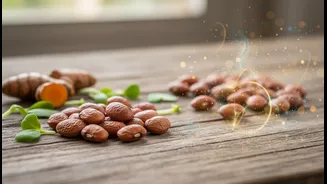
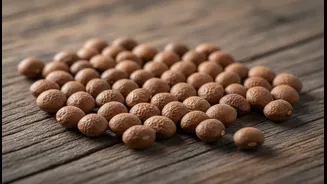
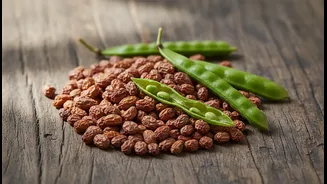
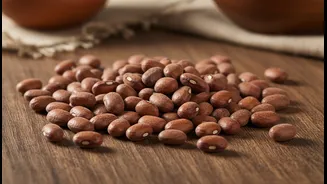
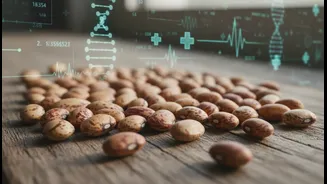
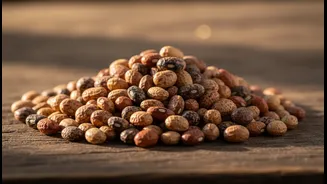
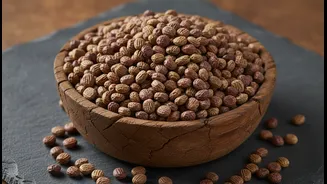
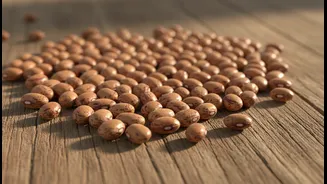
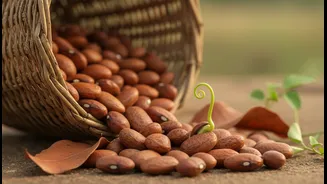
Known as kulthi in Hindi, kollu in Tamil, and ulavalu in Telugu, horse gram has been a part of the Indian diet for millennia, with archaeological evidence dating its use back to 2000 BC. It earned its English name for its traditional use as a high-energy
feed for cattle and racehorses. Historically considered a food for rural communities due to its incredible resilience—it thrives in drought-prone areas and poor soil where other crops fail—horse gram's story is one of survival and sustenance. This humble legume, once seen as a 'poor man's pulse', is now being recognised by scientists and chefs alike as a future-proof food source packed with potential.
The Nutritional Chapter You Can't Skip
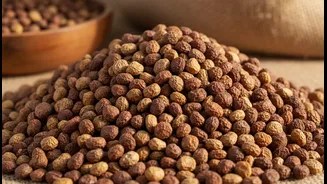
Don't let its small size fool you; horse gram is a nutritional powerhouse. It boasts the highest protein content among lentils and is an excellent source of dietary fibre, iron, and calcium. In fact, it has the highest calcium content of all pulses, making it great for bone health. Traditional Ayurvedic medicine considers it a 'heating' food, often recommending its soup for common colds, fevers, and throat infections to help clear congestion. It is packed with antioxidants and polyphenols, which are compounds believed to help protect the body against a range of ailments. This impressive nutritional profile is why horse gram is transitioning from a forgotten food to a celebrated superfood.
The Secret to Unlocking Its Magic
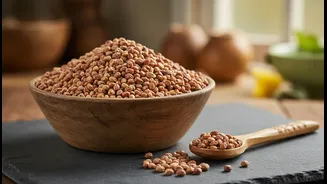
Many home cooks are intimidated by horse gram because it's notoriously hard and can take a long time to cook. This is where the 'smart' approach comes in. The key is proper preparation. First, always soak the beans overnight, or for at least 8-10 hours. This not only softens them but also helps reduce anti-nutrients like phytic acid, which can interfere with mineral absorption. Second, a pressure cooker is your best friend. After soaking, pressure cooking for about 8-10 whistles or 30-40 minutes will render the beans perfectly tender. For an even bigger nutritional boost and easier digestion, you can sprout the soaked beans over a day or two before cooking. Mastering these simple steps is the difference between a tough, underwhelming dish and a delicious, digestible meal.
Beyond Traditional Dal and Rasam
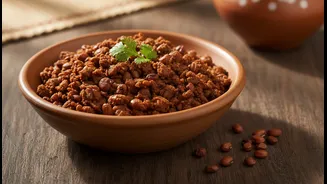
While classic preparations like Kollu Rasam (a peppery soup made from the broth) and Kulthi Dal are timeless, this versatile legume has much more to offer. The nutty, earthy flavour of roasted horse gram lends itself beautifully to a variety of dishes. You can grind cooked horse gram into a coarse paste to make thogayal or chutney, perfect with idli or dosa. Sprouted horse gram can be used in salads or stir-fries for a crunchy, protein-packed element. Some creative cooks are even using it to make adai (a type of savoury pancake), sundal (a tempered stir-fry), or a nutrient-dense spice powder (podi) to sprinkle over rice. Thinking beyond the dal unlocks a whole new world of flavour and texture.
A Note on Mindful Consumption
As with any food, moderation is key. Due to its heat-generating properties in Ayurveda, it's traditionally consumed more in winter. Overconsumption, especially if not cooked properly, might lead to bloating or gas in some individuals due to its specific carbohydrate content. People with a Pitta constitution or issues like hyperacidity should consume it mindfully. It's also traditionally advised that pregnant women avoid it due to its heating nature. Enjoying horse gram as part of a balanced diet allows you to reap its benefits without any discomfort.