






Embrace the Comfort of Soups
There’s nothing quite like a steaming bowl of soup on a rainy day. Soups are not only comforting but also incredibly easy to digest and hydrating. Opt for light, vegetable-based soups made from seasonal produce like pumpkin, carrots, and beets. Adding
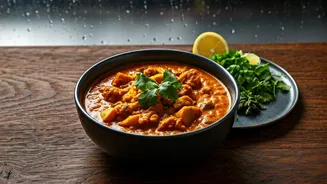
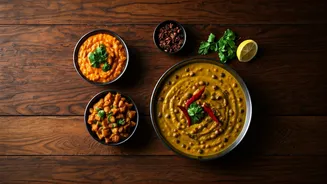
spices like ginger, black pepper, and garlic not only enhances the flavour but also provides anti-inflammatory and antimicrobial benefits that are crucial during this season. A classic tomato soup or a hearty lentil soup (dal shorba) can provide sustained energy and warmth. According to Ayurvedic principles, warm, freshly prepared meals are recommended over raw foods during the monsoon to support a weaker digestive fire.
Sip on Immunity-Boosting Drinks
The rainy season is the perfect time to explore a variety of traditional Indian hot beverages that do more than just warm you up. A classic Masala Chai, brewed with spices like ginger, cardamom, and cloves, is a beloved monsoon staple that can help boost your immune system. For a non-caffeinated option, a simple concoction of honey, ginger, and lemon in warm water is a powerhouse of Vitamin C and antioxidants that can protect your body from common infections. Another excellent choice is Turmeric Milk, or 'Haldi Doodh', an age-old remedy known for its antiseptic and anti-inflammatory properties that soothe the body and fend off illness.
Harness the Power of Spices
Indian spices are not just for flavour; they are packed with medicinal properties that are especially beneficial during the monsoon. Ginger is excellent for digestion and soothing sore throats, while turmeric is a potent anti-inflammatory agent. Garlic, known for its natural antibiotic properties, helps the body fight against colds and flu. Spices like cinnamon, cloves, and black pepper have warming properties and can be added to teas, soups, and curries. A pinch of asafoetida (hing) in your cooking can aid digestion and prevent bloating, a common issue during this season.
Choose Seasonal and Light Foods
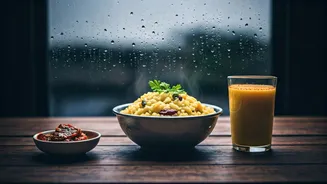
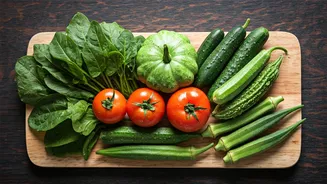
Ayurveda suggests that our digestive system becomes sluggish during the monsoon. Therefore, it’s wise to favour light, easily digestible foods. Include whole grains like oats, barley, and old rice in your diet. Moong dal, in particular, is prized for being light on the stomach and is often used to make khichdi, a quintessential monsoon comfort food. It's also a good idea to incorporate seasonal vegetables like bottle gourd, pointed gourd, and bitter gourd. While leafy greens are nutritious, they should be washed thoroughly and cooked well to avoid waterborne contaminants.
Snack Smart, Not Heavy
The craving for fried snacks like pakoras and samosas is almost universal during the monsoon. While indulging occasionally is fine, it's best to avoid heavy, oily foods that can burden your digestive system. Healthier alternatives include roasted corn on the cob (bhutta), which is a classic rainy-day snack. You can also opt for steamed snacks like momos or Pundi Gatti, a traditional Mangalorean steamed rice dumpling. A handful of nuts and dry fruits like almonds and walnuts can provide essential vitamins and healthy fats to keep your energy levels up.
Foods and Habits to Moderate
To maintain good health during the rainy season, there are a few things best consumed in moderation. It is generally advised to limit heavy non-vegetarian dishes as they are harder to digest. Similarly, it's wise to be cautious with street food, which may have a higher risk of contamination. Ayurveda also recommends avoiding or reducing the intake of dairy products like heavy cheese and certain fermented foods if you are prone to digestive issues during this time. Instead, opt for fresh, homemade meals and ensure you drink boiled or purified water to stay hydrated and healthy.