





Millets: The Ancient Superfood's Comeback
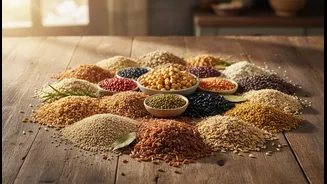
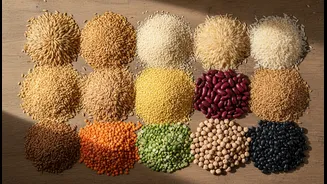
Millets, often called 'mota anaaj' or coarse grains, are making a significant comeback for good reason. These small-seeded grasses like jowar (sorghum), bajra (pearl millet), and ragi (finger millet) are nutritional powerhouses. They are naturally gluten-free,
making them an excellent choice for those with gluten sensitivity. Millets generally have a lower glycemic index compared to white rice, which means they release energy slowly and help in managing blood sugar levels. Nutritionally, they vary: ragi is famously rich in calcium, crucial for bone health; bajra is packed with iron, helping combat fatigue; and jowar is a great source of fibre and antioxidants. In the kitchen, their uses are just as diverse. Flours from jowar and bajra make delicious and hearty rotis, while ragi can be used in dosas, porridges, and even healthy baked goods.
Wheat: The Enduring Everyday Staple
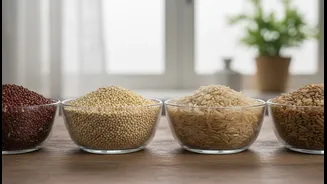
Whole wheat, or atta, is the undisputed king of the North Indian kitchen and a staple across the country. It is the primary ingredient for rotis, chapatis, parathas, and puris that accompany most meals. Its main contribution is energy, thanks to its high carbohydrate content. Whole wheat is also a good source of protein and dietary fibre, which aids digestion. The key component in wheat that sets it apart is gluten. This protein gives dough its elasticity, allowing for the soft, pliable flatbreads that are a dietary cornerstone. While refined wheat flour (maida) loses most of its nutrients during processing, whole wheat flour retains the bran and germ, preserving its fibre, vitamins, and minerals. Though some may avoid it due to gluten sensitivity, for many, whole wheat remains a reliable and nutritious source of daily energy.
Rice: The Ultimate Comfort Grain
Rice is more than just a grain in India; it's a symbol of comfort and a staple in countless regional cuisines. From the fragrant, long-grained Basmati used in biryanis and pulaos to the shorter Sona Masoori preferred for daily meals, the variety is immense. White rice is a great source of easily digestible carbohydrates, providing quick energy. While it is lower in fibre and protein compared to whole grains like brown rice or millets, it forms the perfect neutral canvas for flavourful dals and curries. Traditional varieties like brown rice and red rice retain the bran layer, offering more fibre, vitamins, and minerals. These whole-grain versions have a nuttier flavour and a chewier texture, contributing to better digestive health and more stable blood sugar release. The choice of rice often depends on the dish—aromatic Basmati for celebrations and simple, fluffy rice for a comforting everyday meal.
Pulses: The Plant-Based Protein Powerhouse
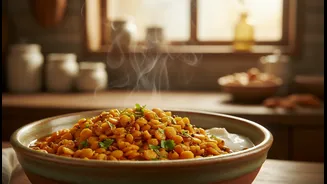
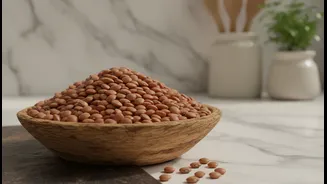
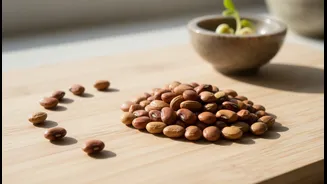
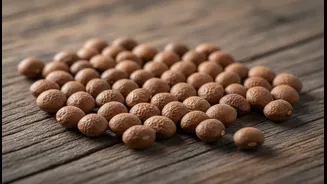
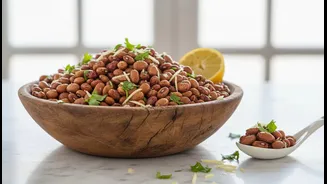
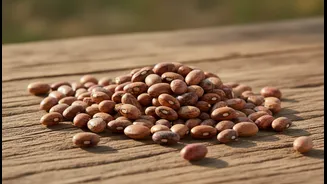
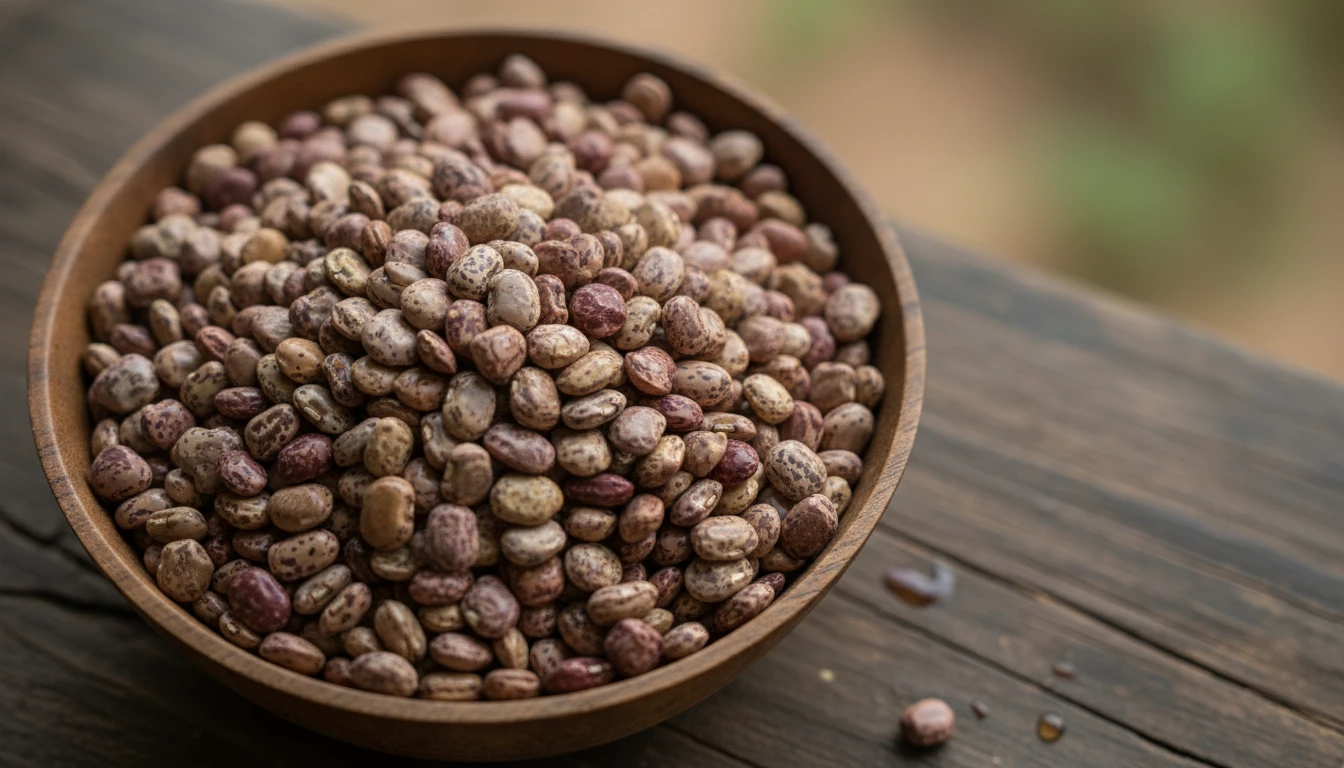
Pulses, the edible seeds of legume plants that we call dal, are the backbone of Indian vegetarian cooking. This category includes a vast array of lentils and beans like toor (pigeon pea), moong (green gram), masoor (red lentil), chana (Bengal gram), and urad (black gram). Their primary role in the diet is providing protein; most dals contain 18 to 26 grams of protein per 100 grams (dry weight). This makes them essential for muscle repair and overall growth. Pulses are also rich in dietary fibre, which aids digestion and promotes heart health. The traditional pairing of dal with rice or roti is a stroke of nutritional genius. Grains often lack the amino acid lysine, which dals have in abundance. Together, they form a complete protein, equivalent in quality to animal protein. From the light and soupy moong dal for easy digestion to the rich and creamy urad dal in dal makhani, each pulse has a unique flavour, cooking time, and culinary purpose.