






Why Monsoon Messes With Your Gut
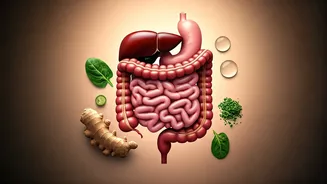
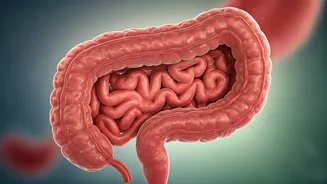
The arrival of the monsoon brings relief from the heat, but the high humidity and dampness create a perfect storm for digestive issues. According to both modern science and ancient Ayurvedic wisdom, our digestive power, or 'Agni', naturally weakens during
this season. The humid environment slows down metabolism, making it harder for the body to process food, which can lead to bloating, gas, acidity, and indigestion. Furthermore, the moist conditions are an ideal breeding ground for bacteria and viruses, increasing the risk of waterborne and foodborne infections like diarrhoea and gastroenteritis. This is why food spoils faster and even seemingly harmless items can pose a risk.
Foods to Embrace for a Happy Gut
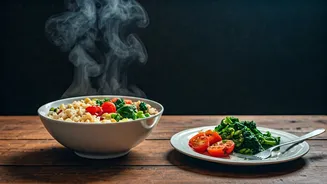
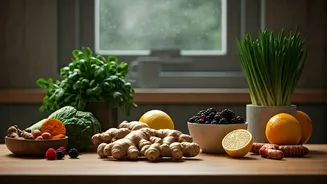
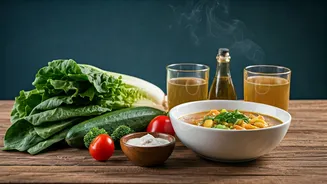
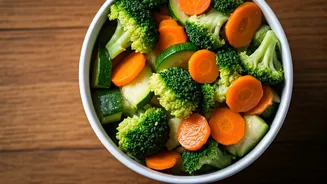
To support your digestion, focus on light, warm, and freshly cooked meals. Incorporating certain foods can significantly boost your gut health. Probiotic-rich foods like homemade dahi (yogurt) and buttermilk (chaas) are excellent for restoring healthy gut bacteria. Spices are your best friends this season; ginger, turmeric, and black pepper have anti-inflammatory properties and aid digestion. Opt for easily digestible vegetables like bottle gourd (lauki), ridge gourd (torai), and pumpkin, ensuring they are thoroughly cooked. Light grains such as old rice, barley, and moong dal, often in the form of a comforting khichdi, are gentle on the stomach. Lastly, staying hydrated with warm herbal teas, soups, and boiled water is crucial for flushing out toxins.
What to Approach with Caution
For a foodie, this isn't a list of 'don'ts' but a guide to 'be carefuls'. Street food, especially items like pani puri with unboiled water or pre-cut salads, is a primary source of infection and best avoided. Leafy green vegetables like spinach and cabbage, while usually healthy, can harbor dirt and microbes during the monsoon and should be cooked meticulously if consumed at all. Heavy, fried snacks, though tempting, can overburden a sluggish digestive system. It's also wise to be cautious with seafood, as monsoon is the breeding season, and spoilage is rapid. Even some fermented foods like dosa or idli batter can over-ferment in the humidity, causing acidity.
The Art of Smart Indulgence
Enjoying the monsoon's culinary treats doesn't have to be off-limits; it just requires a smarter approach. If you're craving pakoras or samosas, prepare them at home. This way, you can control the hygiene, use fresh oil, and ensure they are served piping hot, which kills most germs. Instead of buying chaat from a street vendor, replicate the flavours at home using boiled water and thoroughly washed ingredients. When you want to indulge, do so in moderation. Pair a small portion of a fried snack with a digestive herbal tea, like one made with ginger and lemon, to balance its effects. It’s about making conscious choices that allow you to savour the flavours without the unpleasant after-effects.
Probiotics, Hydration, and Hygiene: The Three Pillars
Beyond specific foods, three principles are key to monsoon gut health. First, actively include probiotics. Traditional Indian options like dahi, chaas, and even homemade pickles (achaar) help fortify your gut microbiome against infections. Second, prioritise hydration with safe water. Always drink boiled or filtered water. Warm drinks are preferable as they aid digestion. Third, practice impeccable hygiene. Wash all fruits and vegetables thoroughly, perhaps with salt water. Wash your hands with soap before every meal. Avoid raw foods when eating out and ensure any meat or eggs are cooked completely. These simple habits create a strong defence for your digestive system.