




What is the Hidden Lotus Pose?
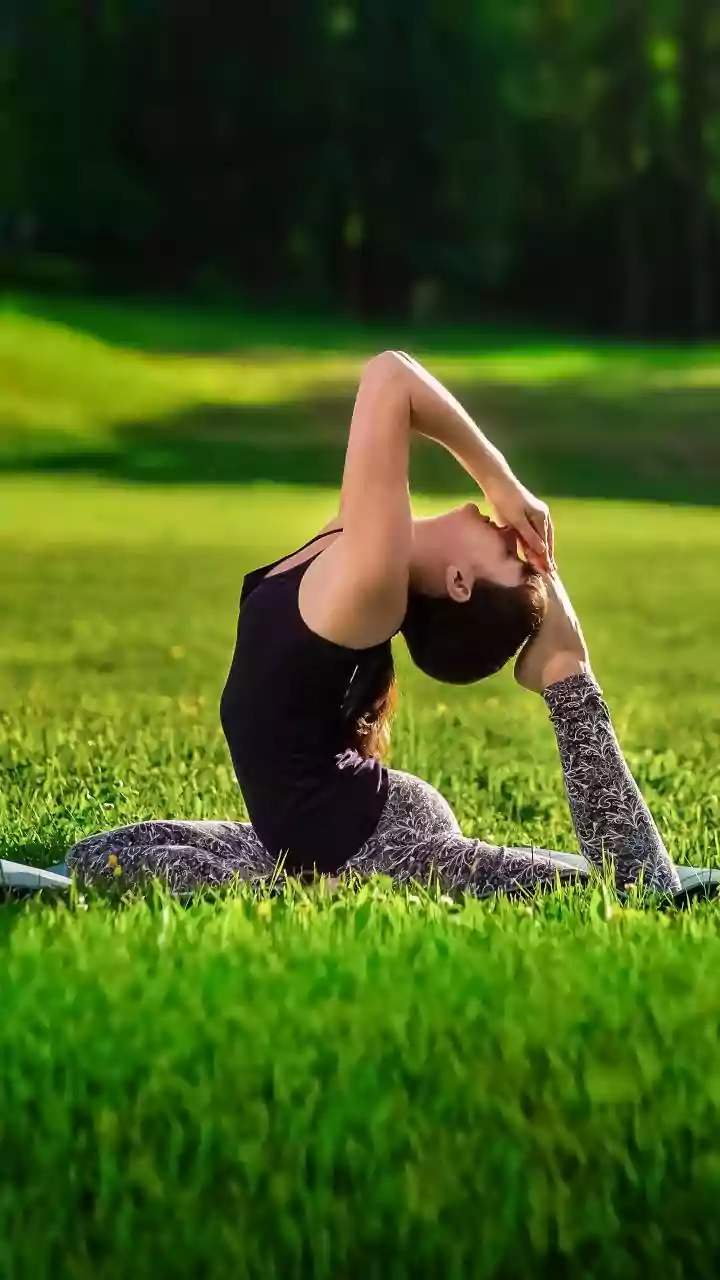
The pose Shilpa Shetty demonstrated is Gupta Padmasana, which translates from Sanskrit to 'Hidden Lotus Pose'. It is an advanced yoga posture that combines two other poses: Padmasana (Lotus Pose) and a prone, or face-down, position. In its full expression,
the practitioner first sits in the classic Lotus Pose, with both feet crossed and resting on the opposite thighs. From there, they carefully lower their torso to the floor, resting on their abdomen and chin. The arms are then typically brought behind the back with the palms joined in a prayer position. The name 'Hidden Lotus' comes from the fact that the torso covers the intricately folded legs, hiding them from view.
The Anatomy of a Major Challenge
Executing Gupta Padmasana gracefully, as Shilpa Shetty does, requires an exceptional level of physical conditioning. This is not a pose for beginners. Its difficulty lies in the combination of deep flexibility, strength, and balance. The primary requirement is profound external hip rotation to achieve the full Padmasana without straining the knees. Additionally, the pose demands significant flexibility in the ankles and knees. The forward-bending action to lie prone requires a supple spine and core control. Finally, binding the hands behind the back challenges shoulder mobility and opens the chest. It’s a full-body test of a yogi’s long-term dedication.
Benefits Beyond Bragging Rights
While visually impressive, the benefits of Gupta Padmasana are more than just aesthetic. On a physical level, the pose deeply stretches the hips, pelvis, knees, and ankles, enhancing mobility in these often-tight areas. The chest and shoulder opening helps counteract a rounded upper back, which is common from prolonged sitting. The prone position also puts gentle pressure on the abdomen, which is believed to stimulate digestive organs. On a mental level, the focus required to enter, hold, and exit the pose safely cultivates concentration and body awareness. Ancient texts suggest the pose helps induce tranquillity and emotional balance.
A Word of Caution: Safety First
Inspired by Shilpa Shetty, many might be tempted to try this pose, but experts and instructors alike urge extreme caution. Forcing the body into this position without adequate preparation can lead to serious injury, particularly to the knees, hips, and ankles. This asana is contraindicated for anyone with existing or recent injuries in the knees, hips, ankles, shoulders, or lower back. Pregnant women should also avoid this pose. The journey to Gupta Padmasana is a long one that should be built upon a solid foundation of hip-opening poses and practiced under the guidance of a qualified yoga instructor.
The Path to Mastery: A Lesson in Patience
Shilpa Shetty’s ability to perform the Hidden Lotus Pose is a testament to years of consistent and disciplined practice. It's a powerful reminder that advanced yoga is not about quickly contorting the body into a shape, but about a slow, mindful journey. For those aspiring to one day achieve such a pose, the path involves patiently working on preparatory poses like Ardha Padmasana (Half Lotus), Baddha Konasana (Bound Angle Pose), and various other hip and shoulder openers. Ultimately, the lesson from Shilpa’s demonstration isn't just about a single pose; it's about the rewards of dedication, patience, and respecting your body's limits while celebrating its potential.