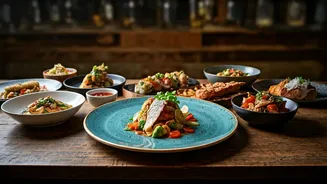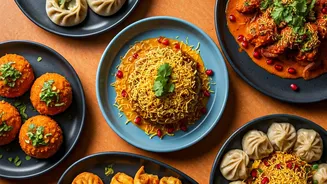





The Rise of the Food-First Itinerary
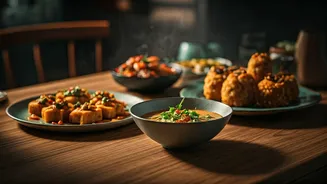
Forget ticking off monuments from a checklist. For a growing number of travellers, the real landmarks are edible. This is the world of culinary tourism, or 'food travel,' and it’s about intentionally planning a trip around the pursuit of unique and memorable
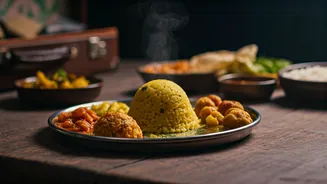
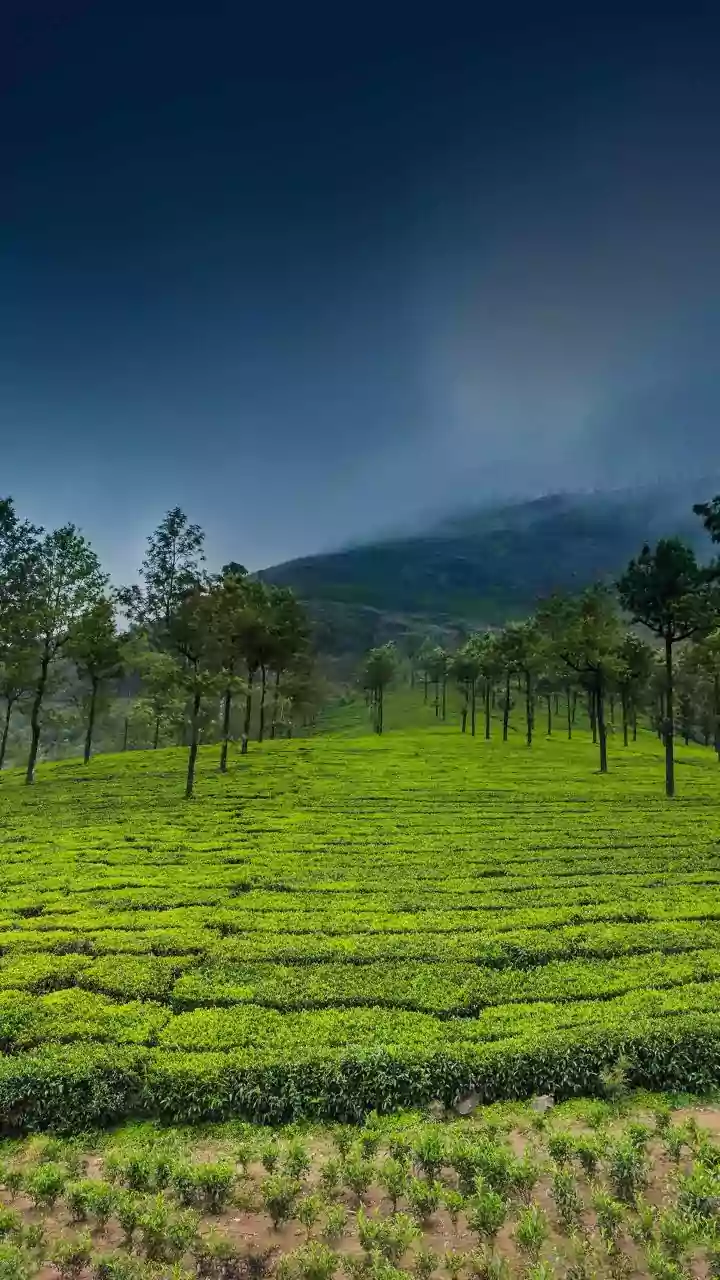
eating and drinking experiences. It goes far beyond simply finding a good restaurant for dinner. It’s about chasing the most authentic biryani in Hyderabad, trekking through coffee plantations in Coorg, or learning to make pasta from a nonna in a small Italian village. According to industry reports, food is now a central factor in how people choose their destinations. It’s a shift from 'eating while you travel' to 'travelling to eat,' transforming food from a trip necessity into the main event itself.
More Than Just a Meal
So, why has this become so popular? Because food is a universal language and one of the most accessible entry points into another culture. A dish tells a story of a region’s history, geography, and traditions. Sharing a meal, whether at a bustling street food stall in Bangkok or a family-run dhaba on a highway in Punjab, creates a powerful sense of connection. This quest for authenticity is a reaction against the homogenised, tourist-trap experiences that can feel hollow. Food feels real. It’s a sensory experience that grounds you in a place. You can see the ingredients at the local market, smell the spices as they're cooked, and taste a flavour profile that has been perfected over generations. This is what modern travellers crave: not just a vacation, but a genuine experience.
The Social Media Effect
We can't ignore the role of our screens in fuelling our appetites. Platforms like Instagram and TikTok have turned food into a highly visual, aspirational part of travel. A perfectly shot reel of a bubbling pot of dal makhani or a flaky croissant can spark immediate travel envy and inspiration. But it’s not just about pretty pictures. Food-focused documentaries and travel shows, from the philosophical journeys of Anthony Bourdain to the cinematic beauty of *Chef’s Table*, have elevated chefs to cultural figures and dishes to works of art. This media exposure has educated our palates and expanded our culinary curiosity, making us more adventurous and more willing to travel across the country—or the world—for a specific flavour.
India's Own Culinary Map
You don’t need a passport to be a food traveller. India is a continent of cuisines masquerading as a country, offering endless opportunities for culinary exploration. Each region presents a unique gastronomic identity. Think of a food trail through Old Delhi, navigating the chaos of Chandni Chowk for parathas and jalebis. Picture a trip to Amritsar, centered around the buttery perfection of its kulchas and the soul-soothing langar at the Golden Temple. Cities like Lucknow, Kolkata, and Hyderabad are legendary food destinations, where entire trips can be planned around specific dishes like Galouti kebabs, puchkas, and kachhi gosht ki biryani. From the seafood shacks of Goa to the complex vegetarian thalis of Gujarat, India's domestic food tourism scene is rich, diverse, and waiting to be explored.
Planning Your First Food Trip
Ready to plan an adventure for your taste buds? Start small. Pick a city or region known for a dish you love. Instead of just relying on top-ten lists, dive into food blogs and vlogs for hyper-local recommendations. Look for guided food walks, which are a fantastic way to discover hidden gems with the help of a local expert. Don't be afraid to visit local markets; they are the heart of any food culture. And most importantly, be open and curious. Talk to vendors, ask chefs about their ingredients, and be willing to try something new. The best food experiences often happen when you wander off the beaten path and follow your nose.