






The Physics of a Hairstyle
Not all buns are created equal. The key difference between a high bun perched on the crown of your head and a low chignon resting at the nape of your neck comes down to gravity and mechanics. A high bun pulls hair upwards from the entire hairline—front,
back, and sides—concentrating the full weight of your hair at a single point on your scalp. This constant upward pull fights against gravity, creating significant tension on the hair follicles. In contrast, a low chignon sits at the nape of the neck, a natural resting point. This placement allows the weight of the hair to be supported more by your neck and shoulders, distributing the load more evenly and reducing the direct pulling force on the scalp.
Understanding Traction Alopecia
When your scalp is subjected to constant, prolonged pulling, it can lead to a specific type of hair loss known as traction alopecia. This condition occurs when the relentless tension damages the hair follicles, causing hair to break or fall out. Initially, you might notice small, pimple-like bumps, redness, or a stinging sensation on your scalp. The hairline, especially around the temples, is often the first area to show signs of thinning. While traction alopecia is reversible in its early stages if the tension is removed, chronic pulling can lead to permanent follicle damage, meaning the hair may not grow back.
Warning Signs Your Hairstyle Is Too Tight
Your body often sends clear signals when a hairstyle is causing harm. One of the most common is a 'ponytail headache'—a dull, persistent ache that subsides shortly after you loosen your hair. Other red flags include scalp soreness that lingers after you take your hair down, visible redness along your hairline or part, and the appearance of small bumps or scaling. You might also notice an increase in broken hairs around your forehead and temples, often called 'fringe sign', where the main hairline recedes but leaves a few fine hairs behind. If you experience any of these symptoms, it's a clear indication that your follicles are under stress.
How to Style Smarter, Not Tighter
Reducing scalp tension doesn't mean you have to give up updos entirely. Making small adjustments can have a big impact. Opt for low, loose styles like chignons, messy buns at the nape, or loose braids. When securing your hair, choose accessories that are gentle on your strands. Fabric scrunchies, silk or satin ties, and claw clips distribute pressure more evenly than traditional elastic bands with metal clasps. It's also crucial to vary your hairstyles. Avoid wearing the same tight style every day to prevent putting stress on the same follicles repeatedly. Lastly, never pull your hair up when it's wet, as wet hair is more fragile and prone to breakage.
Embracing the Low Bun
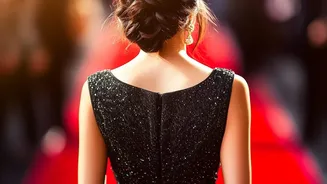
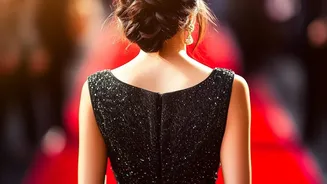
The chignon, or low bun, is not just a scalp-friendly choice; it's also incredibly versatile and elegant. The term 'chignon' comes from the French phrase for the nape of the neck, which is exactly where the style should sit. Whether you prefer a sleek, polished look or a softer, romantic style with loose tendrils, the low bun provides a stable and comfortable foundation that works for any occasion. You can create a simple loop bun, twist your hair into a classic coil, or even incorporate braids for added texture. Because it rests at the base of your head, it feels more secure and requires less structural support (and fewer painful pins) than a high bun.