
Goodbye, Sharp Edges
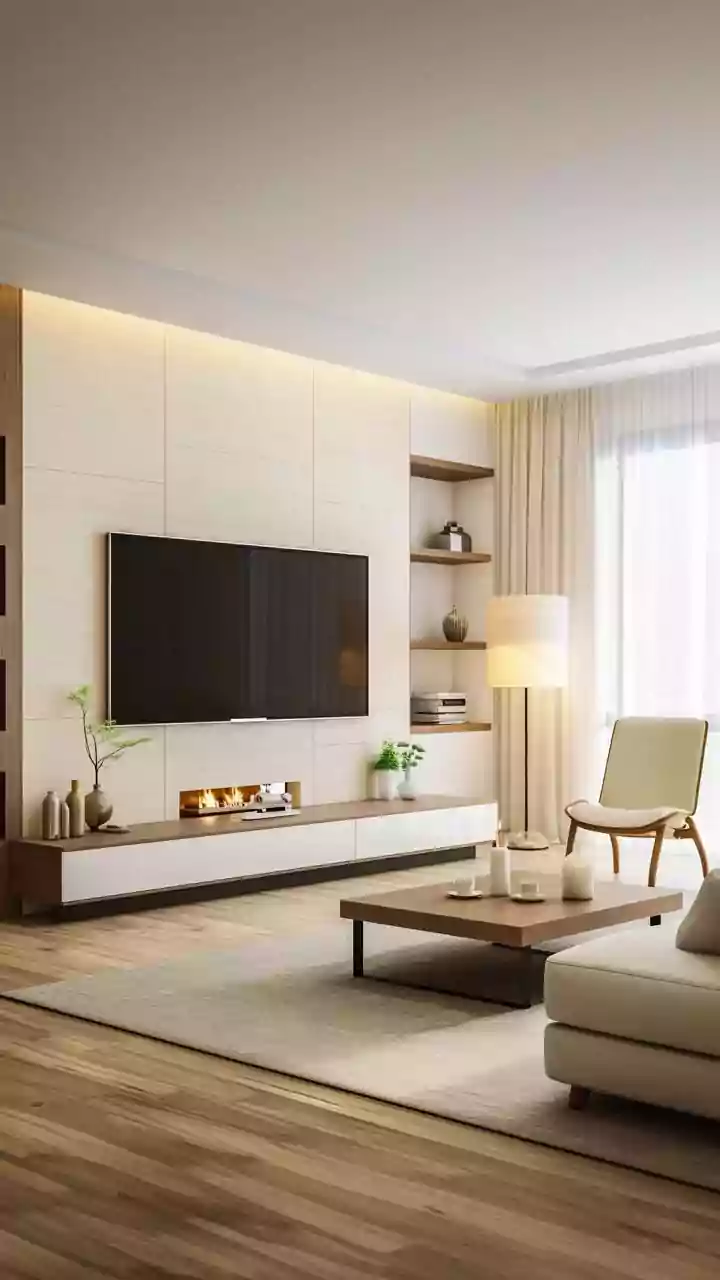
For the better part of a decade, modern Indian interiors were defined by a certain rigidity. Clean lines, geometric forms, and a cool, almost clinical minimalism dominated. Sofas were rectangular, coffee tables were sharp-cornered, and the overall aesthetic
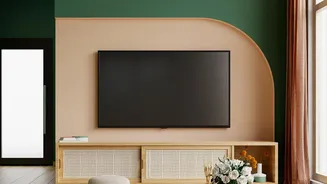
prioritized a sleek, engineered look. But a quiet revolution is underway. Homeowners are consciously moving away from spaces that feel staged or formal, seeking warmth and comfort instead. This has led to a collective pivot from the hard geometry of the past to a softer, more inviting design language that prioritizes how a home feels over how it looks in a catalogue.
The Soothing Power of Curves
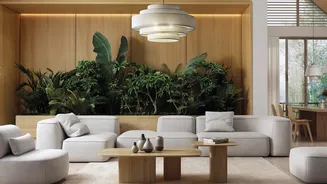
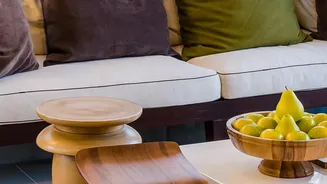
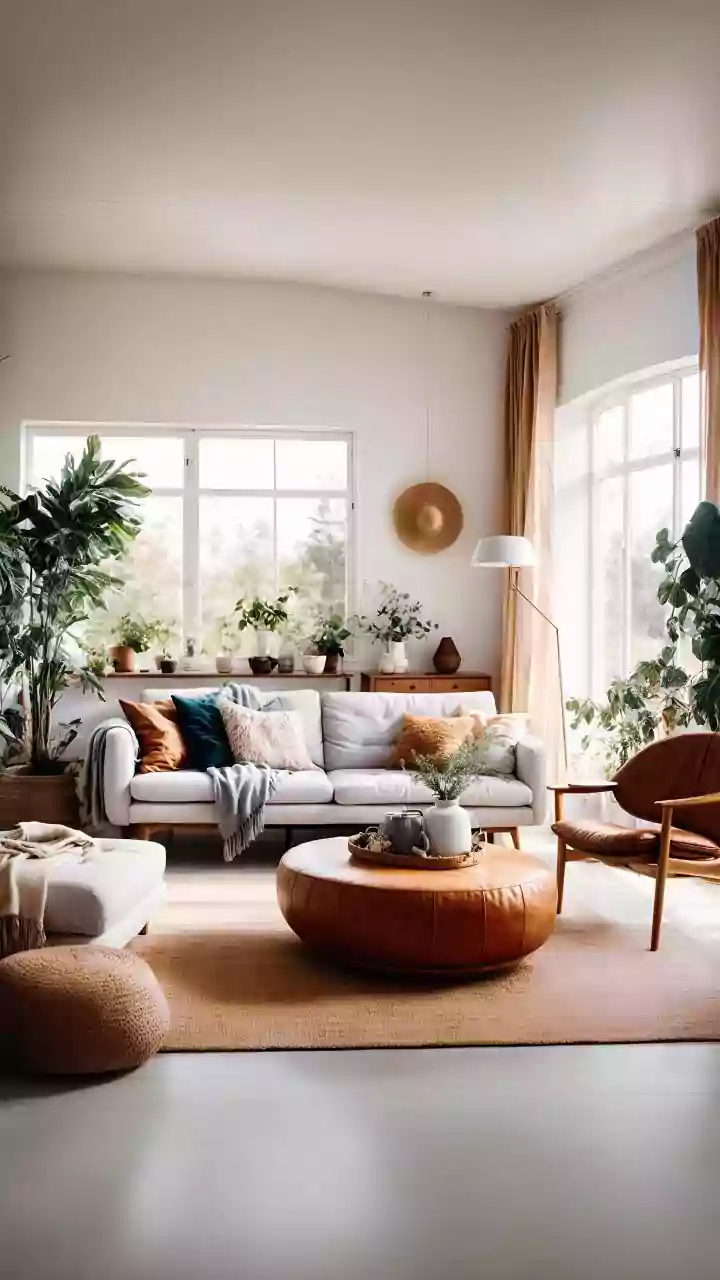
At the heart of this shift is the embrace of curved furniture. Sofas now feature rounded arms and sweeping silhouettes, while accent chairs often have enveloping, cocoon-like shapes. This isn't just an aesthetic choice; it’s rooted in psychology. Curves mimic the gentle, organic forms found in nature—waves, hills, pebbles—which our brains instinctively find calming and safe. In a practical sense, curved furniture also improves the flow of a room. An oval coffee table or a sofa with a gentle arc encourages movement and can make a compact apartment feel more open and less restrictive. These pieces also foster a more intimate and conversational atmosphere, as seats naturally angle people towards each other.
A Return to Natural Textures
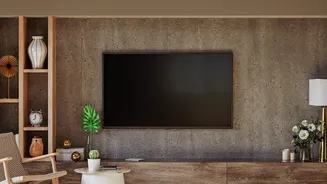
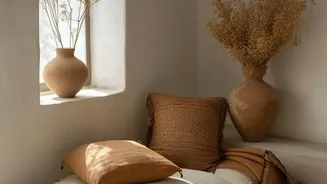
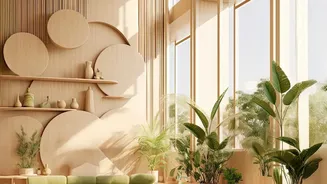
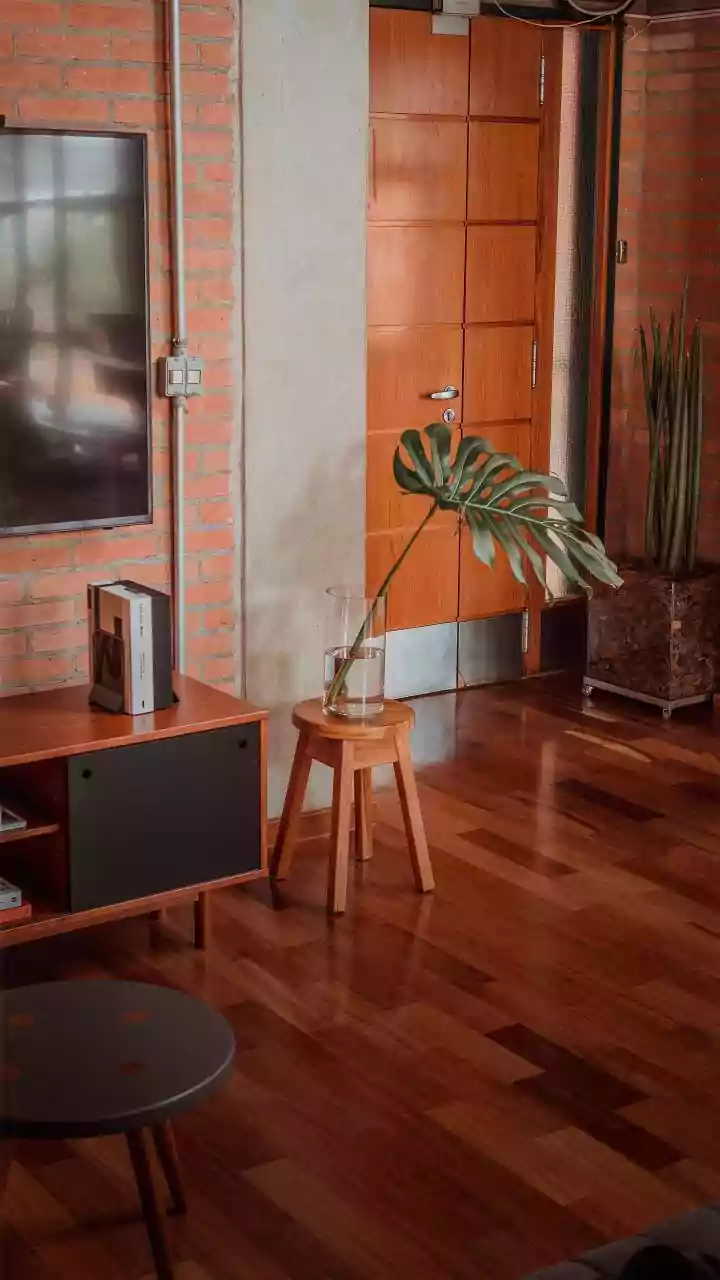
Alongside the move to softer shapes is a renewed appreciation for natural materials. The high-gloss lacquers and cold metals are being replaced by the tactile warmth of rattan, cane, jute, and raw wood. This trend is deeply connected to the rise of biophilic design—the idea that humans have an innate need to connect with nature. Woven textures add visual interest and a sense of craftsmanship that mass-produced items often lack. Materials like cane and rattan are also lightweight and breathable, making them perfectly suited to India's varied climates. Paired with earthy colour palettes of terracotta, sage green, and warm beige, these textures help create a grounded, soothing environment.
Why This Trend Resonates in India
This shift towards curves and nature is not happening in a vacuum. It is a direct response to modern urban Indian life. For many living in bustling cities, the home has become a sanctuary—a place to decompress from the sensory overload of the outside world. The post-pandemic era, in particular, has seen a re-evaluation of our living spaces, with a new premium placed on emotional comfort and well-being. Furthermore, while the trend has global roots in aesthetics like Japandi and warm minimalism, it resonates with traditional Indian design, which has long featured arches and organic motifs. This new look is not a rejection of modernity but an evolution of it, creating spaces that feel both contemporary and deeply comforting.
Bringing the Look Home
Incorporating this trend doesn't require a complete overhaul. For those in smaller apartments, starting with a single, impactful piece is often enough. A round or oval coffee table can instantly soften a living room layout. An accent chair with a curved back or a bench with a woven cane seat can introduce texture without overwhelming the space. Even smaller touches, like a round mirror, an arched floor lamp, or jute poufs, can break up the monotony of straight lines. The goal is not to eliminate every straight line but to create a pleasing balance between soft and structured elements, crafting a home that feels personal, layered, and, above all, a joy to live in.