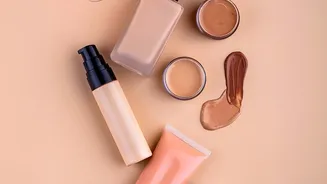









The Unique Risks of Festive Makeup
During festivals like Diwali, makeup is often worn for long hours in environments filled with smoke, dust, and heat from diyas. This combination increases the chances of cosmetic particles entering the eye, causing irritation, redness, and discomfort.
Products like glitter, shimmer eyeshadows, and loose powders are particularly notorious. These tiny, sharp particles can flake off and get into the tear film, potentially scratching the cornea—the eye's sensitive front surface. This is known as a corneal abrasion and can feel like having sand in your eye, leading to pain, watering, and even infection.
Why Contact Lens Wearers Face Higher Risks
If you wear contact lenses, your risk of complications from makeup is significantly higher. A contact lens can act like a tiny dish, trapping makeup particles against the surface of your eye. Glitter, mascara flakes, or eyeshadow dust caught under a lens can cause persistent irritation and increase the risk of a corneal scratch. Furthermore, this trapped debris can introduce bacteria, leading to serious infections like conjunctivitis (pink eye) or keratitis. The flow of oxygen to the cornea can also be reduced by product buildup, making the eye more vulnerable.
The Golden Rule: Lenses First, Always
The most crucial rule for contact lens wearers is to insert your lenses before applying any makeup. Always start by washing your hands thoroughly with soap and water, and drying them with a lint-free towel. This ensures your fingers are clean and free of oils or cosmetic residues that could transfer to your lenses. Starting with a clean lens on a clean eye is the first line of defence against irritation. It also helps you see clearly while you perfect your festive look.
Smart Application for Safer Eyes
How you apply your makeup matters just as much as what you use. Opt for cream eyeshadows over loose powders to minimise fallout. When using pressed powders, tap the excess off your brush before applying. Avoid applying eyeliner to your inner waterline—the moist rim inside your lashes. This can block the tiny meibomian glands that produce oils to keep your eyes lubricated, leading to dryness and irritation. Instead, apply liner just outside the lash line. When it comes to mascara, choose a non-flaking formula and apply it from the middle of the lashes to the tips, avoiding the base near the eyelid.
Choose and Maintain Your Products Wisely
Good hygiene extends to your makeup kit. Never share eye makeup, as this is a primary way to spread infections. Choose products labelled 'hypoallergenic' or 'ophthalmologiststested' if you have sensitive eyes. Pay attention to expiration dates; mascara and liquid eyeliners should be replaced every three months, as they can become breeding grounds for bacteria. If a product changes in smell, colour, or consistency, throw it out immediately. And if you develop an eye infection, discard all the eye makeup you were using to avoid reinfecting yourself.
The Allrdimportant Removal Process
At the end of a long night of celebrations, it can be tempting to fall into bed with your makeup on, but this is a major risk for eye health. Always remove your contact lenses before you start removing your makeup. This prevents makeup remover, oils, and grime from getting smeared onto your lenses. Use a gentle, oilfree makeup remover and avoid aggressive rubbing, which can irritate the delicate skin around your eyes and the eye itself. Ensuring your eyes are completely clean before sleep allows them to rest and recover.