





More Than Just 'Vegan'
For years, 'plant-based' was a term tethered to limitation. It suggested what was missing from the plate, not what was present. But a seismic shift is underway in kitchens across India and the world. This isn't about mimicking meat or churning out flavourless
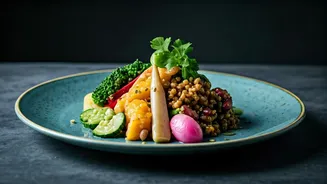
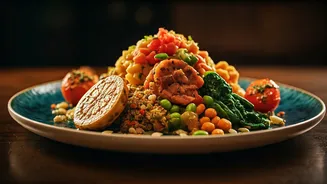
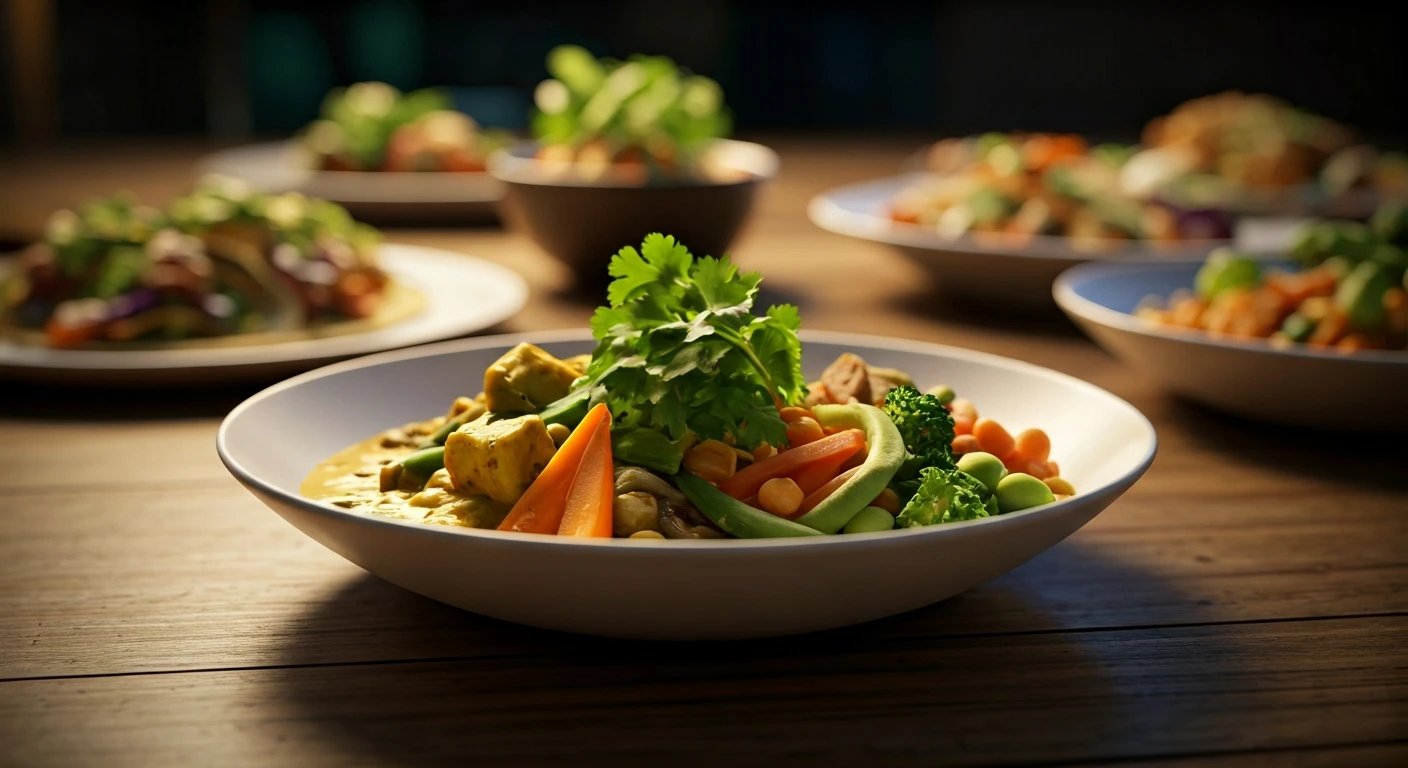
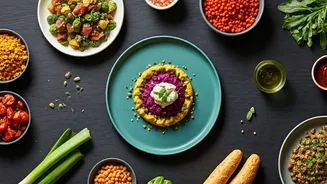
tofu scrambles. It’s a full-fledged culinary movement driven by artistry, where chefs are treating vegetables, grains, and fungi with the same reverence once reserved for prime cuts of meat or delicate seafood. Plant-based fusion is about addition, not subtraction. It’s about asking, 'What incredible flavour can I build from a beetroot?' not, 'How can I make this taste like a burger?' The result is a vibrant, innovative, and deeply satisfying new chapter in gastronomy that places flavour, texture, and creativity at its core.
The Global Pantry, Reimagined
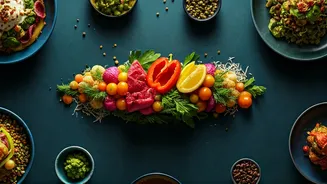
The engine of this revolution is fusion. Chefs are breaking down culinary borders, borrowing techniques and ingredients from across the globe to unlock the untapped potential of plants. Imagine a classic South Indian jackfruit curry transformed with smoky Mexican chipotle peppers and slow-cooked into a 'pulled' taco filling. Picture Japanese fermentation techniques, like creating miso from local lentils, used to build profound umami in a dish that has no meat or dairy. We're seeing chefs use Peruvian marination styles for mushrooms to create plant-based ceviche, or applying French confit methods to carrots and onions to intensify their sweetness. This cross-pollination of ideas is creating flavours that are entirely new. It’s a global conversation on a plate, where a humble vegetable becomes a passport to a world of taste.
India's Head Start in a Modern Race
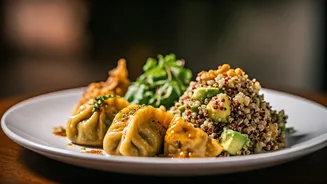
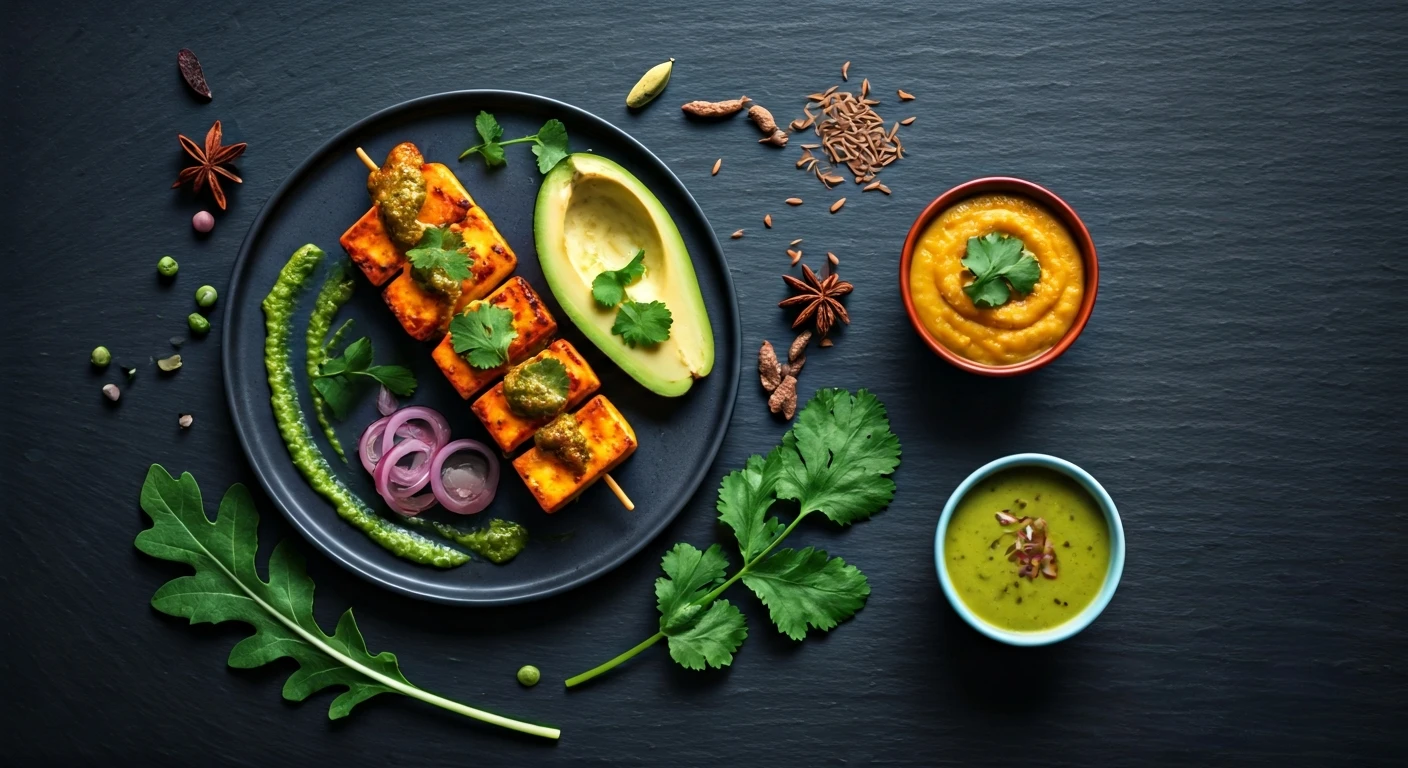
In many ways, India is the spiritual home of this movement. With one of the richest and most diverse vegetarian culinary traditions on the planet, Indian cuisine provides a powerful foundation for plant-based innovation. For centuries, our kitchens have mastered the art of building complex flavour profiles without meat, using a sophisticated understanding of spices, lentils, and vegetables. Now, a new generation of Indian chefs is taking this legacy and running with it. They are not just recreating old recipes; they are deconstructing them and reimagining them with modern, global sensibilities. Think pani puri spheres filled with avocado mousse, or a traditional kathal (jackfruit) biryani refined with a touch of truffle oil. This isn't about abandoning tradition, but about elevating it, showing the world that the principles of Indian vegetarian cooking are not just historical, but incredibly futuristic.
Why Now? A Perfect Storm of Factors
This trend isn't happening in a vacuum. It's the delicious result of a perfect storm of social and cultural shifts. Firstly, there's a growing global consciousness around health and wellness, with more diners seeking lighter, nutrient-dense meals. Secondly, environmental sustainability has become a major consideration for both chefs and consumers. A plant-forward diet is widely recognized as one of the most impactful ways an individual can reduce their carbon footprint. But perhaps the most important driver is pure culinary curiosity. After decades of protein-centric fine dining, both chefs and diners are simply excited by a new challenge. The creative possibilities within the plant kingdom are virtually infinite, offering a new frontier for exploration, experimentation, and, most importantly, flavour.