





First, The Right Foundation
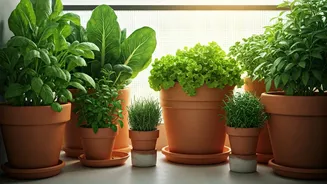
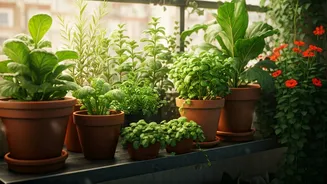
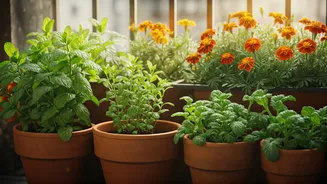
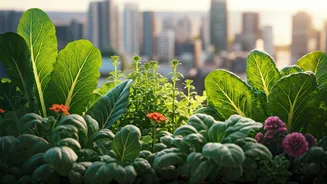
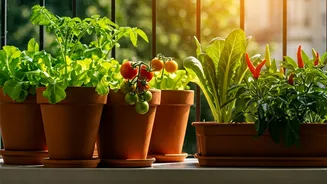
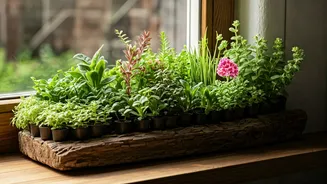
Before you choose your plants, let’s get the basics right. You don’t need a sprawling lawn; a sunny balcony, a windowsill, or a small terrace area is perfect. Your foundation consists of three things: pots, soil, and sun. Choose pots with drainage holes
at the bottom to prevent waterlogging. For soil, a beginner-friendly mix is one part garden soil, one part cocopeat (for moisture retention), and one part vermicompost or other organic manure (for nutrition). Most vegetable plants need at least 4-6 hours of direct sunlight per day, so observe your chosen spot to see how much sun it gets before you begin.
1. The Trusty Tomato (Tamatar)
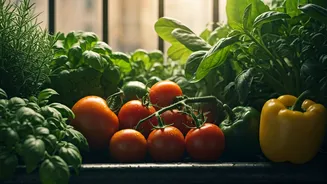
No Indian kitchen is complete without tomatoes, and home-grown ones taste exceptionally sweet. Cherry tomatoes are especially easy for beginners and grow well in medium-sized pots (around 10-12 inches). Sow the seeds in a small container first and transplant the strongest seedling once it has a few true leaves. Tomato plants love the sun, so give them the sunniest spot you have. As they grow taller, they will need support from a small stake or trellis. Water them regularly at the base, keeping the soil consistently moist but not soggy. In a few months, you’ll be rewarded with fresh, chemical-free tomatoes that are perfect for salads, curries, and chutneys.
2. Fragrant Coriander (Dhaniya)
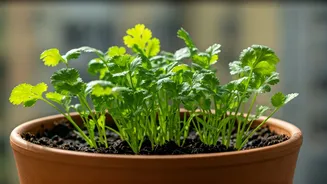
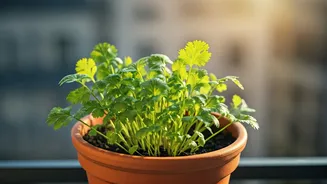
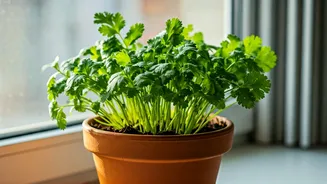
Fresh dhaniya is essential for garnishing almost every Indian dish, but it often wilts quickly when store-bought. Growing your own ensures a constant, fresh supply. Coriander prefers wider, shallower pots over deep ones. You don't even need to buy seeds; gently crush whole coriander seeds from your kitchen spice box to split them in half and sow them. This plant prefers cooler weather and partial sun, making it ideal for a spot that gets morning sun and afternoon shade. Keep the soil moist, and you can start snipping leaves in just a few weeks. Harvest the outer leaves first to allow the inner ones to keep growing.
3. The Prolific Chilli (Mirchi)
A single, healthy chilli plant can produce enough spice to last your family for months. From mild to fiery, there’s a huge variety to choose from. Chillies thrive in heat and sun, so they are perfect for our Indian climate. Plant them in a medium-sized pot and place them in a spot with at least 5-6 hours of direct sunlight. Water them well, but let the soil dry out slightly between waterings. As the plant grows, it will flower, and each flower will turn into a chilli. The more you pick, the more the plant will produce. You can use them fresh or dry them in the sun for later use.
4. Ever-Ready Mint (Pudina)
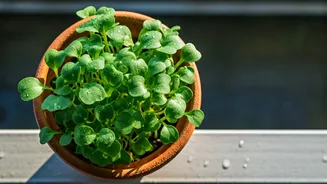
Mint is one of the easiest herbs to grow and is perfect for beginners. In fact, it grows so vigorously that it’s best to keep it contained in its own pot, or it might take over your entire garden space! You don't even need seeds; simply take a few healthy stems from a bunch you bought at the market, remove the lower leaves, and place them in a glass of water. Roots will appear in a week or two. Once rooted, plant them in a pot with well-draining soil. Mint prefers partial shade and moist soil. Soon, you'll have an endless supply for your chai, raita, and mojitos.
5. Hardy Spinach (Palak)
Growing your own spinach means you have access to tender, nutrient-packed leaves free from pesticides. Palak is a cool-season crop that grows relatively quickly. You can sow the seeds directly into a wide container or grow bag. It doesn’t need intense, direct sunlight, making it suitable for balconies that receive only a few hours of sun. The key is to keep the soil consistently moist. You can start harvesting the outer leaves in about 4-6 weeks. This 'cut-and-come-again' method will ensure your plant continues to produce fresh leaves for a long time.