




The Vitamin C Showdown
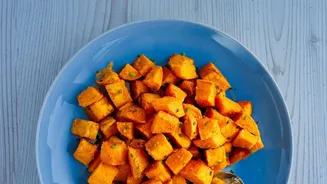
When comparing these two vegetables, the answer to the Vitamin C question isn't always straightforward and can depend on the serving size. However, looking at a standard one-cup serving of each, baked, sweet potato often has a slight edge. A cup of cooked
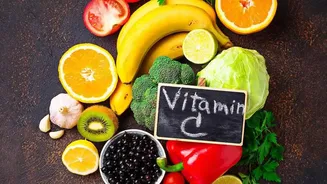
sweet potato can contain around 39mg of Vitamin C, which is a significant portion of your daily needs. By comparison, a cup of cooked butternut squash provides about 31mg. While sweet potato takes a narrow lead here, both are excellent sources of this vital antioxidant, which is crucial for immune function and skin health.
The Vitamin A Powerhouse
While the headline focuses on Vitamin C, the most significant nutritional story for both vegetables is their incredible Vitamin A content, derived from beta-carotene. Here, sweet potato is the undisputed champion. A single cup of cooked sweet potato can provide a staggering 1,730 micrograms (mcg) of Vitamin A, which is nearly double the daily recommended value. Butternut squash is also a powerhouse, offering an impressive 1,144 mcg per cup, well over the daily requirement. This nutrient is vital for vision, immune response, and cellular health.
Calories and Carbohydrates
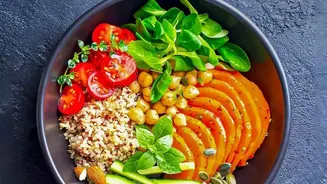
For those managing their calorie or carbohydrate intake, butternut squash is the clear winner. A cup of cooked butternut squash contains roughly 82 calories and about 22 grams of carbohydrates. In stark contrast, the same amount of cooked sweet potato contains around 180 calories and 41 grams of carbs. This is because sweet potatoes are a denser, starchier root vegetable, while squash has a higher water content. Butternut squash also contains significantly less sugar, with about 4 grams per cup compared to sweet potato's 13 grams.
Fibre and Other Key Minerals
Both vegetables are great sources of dietary fibre, which is essential for digestive health and promoting a feeling of fullness. In a one-cup serving, they are nearly tied, each providing around 6.6 grams of fibre. When it comes to minerals, sweet potato generally offers more. It is particularly rich in potassium, providing about 950mg per cup compared to 582mg in butternut squash. Potassium is critical for regulating blood pressure and muscle function. Sweet potato also delivers more manganese, a mineral important for bone health and metabolism.
The Impact of Cooking
How you prepare these vegetables can significantly affect their impact on your blood sugar. Boiled sweet potato has a relatively low glycemic index (GI), meaning it releases sugar into the bloodstream more slowly. However, baking or roasting a sweet potato can cause its GI to climb significantly. Butternut squash tends to have a more stable, moderate GI regardless of the cooking method, making it a more predictable choice for those monitoring their blood sugar levels.