




The Classic Gets a Modern Makeover
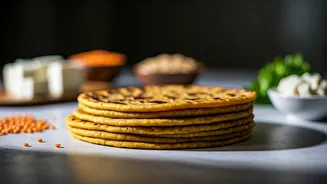
At its heart, the protein paratha is a simple but clever evolution of a beloved staple. For generations, parathas have been a breakfast and tiffin box favourite across India, typically stuffed with potatoes, cauliflower, or paneer. The 'protein' version
reimagines the filling, and sometimes even the dough, to maximise protein content. Instead of carb-heavy aloo, think fillings made from high-protein ingredients like sattu (roasted gram flour), crumbled paneer, besan, lentils, or even soya granules. The goal is to transform a traditionally carbohydrate-centric dish into a more balanced meal that aligns with modern fitness goals, particularly muscle building and satiety.
Why the Sudden Social Media Hype?
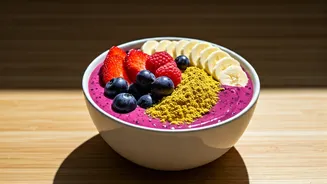
The rise of the protein paratha is no accident; it’s a perfect storm of cultural and wellness trends. Firstly, there’s the global obsession with protein. Fitness influencers and nutritionists have successfully spread the gospel that protein is key for fat loss, muscle gain, and feeling full longer. Secondly, there’s a growing movement to ‘Indianise’ wellness. Instead of blindly adopting Western diets like quinoa salads and smoothie bowls, many are looking for ways to make their traditional comfort foods healthier. The protein paratha is the poster child for this movement. It says you don't have to give up your favourite foods to be fit. It’s familiar, comforting, and now, it’s also ‘macro-friendly’—a winning combination for social media.
Decoding the Delicious Fillings
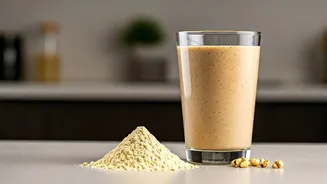
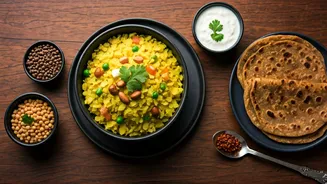
The beauty of the protein paratha lies in its versatility. The most popular base for fillings is sattu, a powerhouse ingredient from Bihar and Eastern UP known for its high protein and fibre content. Mixed with onions, chillies, and spices, it creates a flavourful and incredibly filling paratha. Crumbled low-fat paneer is another go-to, providing a creamy texture and a solid protein punch. Other creative fillings include boiled and mashed chickpeas or black chana, sprouted moong dal, and even finely minced tofu. Some hardcore fitness buffs are even adding a scoop of unflavoured whey protein powder to their dough or filling. While effective, this last method is more controversial, as it can alter the taste and texture if not done carefully.
The Nutritionist's Verdict: Gimmick or Gain?
So, is this trend actually healthy? The answer is a qualified yes. Replacing simple carbs with protein-rich fillings is a definite nutritional upgrade. A sattu or paneer paratha will keep you fuller for much longer than an aloo paratha, preventing mid-morning snack cravings. It provides a more sustained energy release and supports muscle health. However, a paratha is only as healthy as its preparation. If it's fried in excessive ghee or oil and served with a dollop of butter, many of the health benefits are negated. The key is to cook it on a dry tawa with minimal fat, use whole wheat flour for the dough, and be mindful of portion sizes. Two protein parathas are not necessarily better than one. It’s a smart hack, not a magic bullet for weight loss.
Tips for the Perfect Protein Paratha
Ready to try making your own? Keep these tips in mind. First, ensure your filling is not too wet, as this will make the paratha tear while rolling. If using paneer or tofu, squeeze out excess moisture. Second, season your filling generously. Protein-rich ingredients can be bland, so don't be shy with herbs, spices, ginger, and green chillies. Third, consider the flour. While whole wheat (atta) is standard, you can boost fibre and nutrients by adding a small amount of besan or oat flour to the dough. Finally, pair it wisely. Instead of heavy pickles or butter, serve your protein paratha with a side of plain dahi (yoghurt) or a fresh raita to create a complete and balanced meal.