






A New Season of Travel Planning
A dry-sky trip isn't about finding a destination where it never rains; it's a strategic shift in how we plan our journeys into the mountains. For generations, trekkers have relied on traditional seasonal calendars—avoiding the monsoon, aiming for the crisp
air of autumn or the blossoms of spring. However, with weather patterns becoming more erratic, this long-standing wisdom is no longer foolproof. Dry-sky planning involves a more dynamic and flexible approach. It prioritises short-term, hyper-local weather forecasts over broad seasonal assumptions, allowing travellers to identify and seize specific windows of clear weather, sometimes just weeks or even days in advance.
Why Now? The Climate Connection
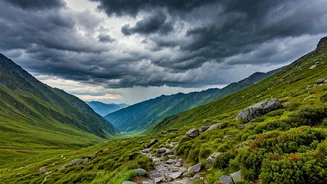
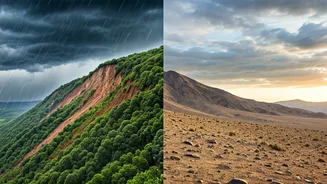
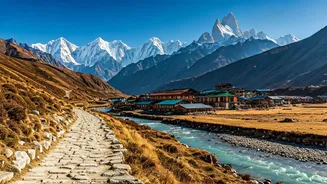
The rise of this trend is directly linked to our changing climate. Across the Himalayas, for instance, weather is becoming increasingly unpredictable. Monsoons are extending longer into what was once the start of the dry autumn trekking season, while spring can bring sudden, unseasonal deluges. Himalayan regions are warming faster than the global average, leading to quicker snowmelt, shifting rainfall patterns, and generally less stable conditions. This has made the traditional trekking seasons in places like Himachal Pradesh and Uttarakhand less reliable. A once-dependable dry window in October might now see late-monsoon downpours, forcing travellers and guides to become more adaptive.
The Modern Trekker's Toolkit
Fortunately, technology offers powerful tools to navigate this new reality. The key to a successful dry-sky trip lies in using modern weather forecasting apps that provide detailed, location-specific data. Apps like Windy and AccuWeather, once the preserve of meteorologists and pilots, are now essential for serious trekkers. These platforms allow you to visualise wind, cloud cover, and precipitation with remarkable accuracy. Paired with navigation apps like AllTrails or Maps.me, which feature downloadable offline maps and trail information, a well-prepared trekker can make informed decisions on the fly. This tech-empowered approach allows for a level of micro-planning that simply wasn't possible a decade ago.
Embracing Flexibility
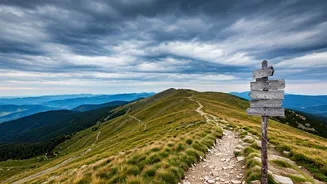
The core principle of dry-sky travel is adaptability. This means moving away from rigid, long-range booking and embracing more flexible arrangements. Look for accommodations and transport options that offer free or low-cost cancellations. Instead of planning a single, long-duration trek, consider basing yourself in a mountain town and choosing from several shorter day hikes based on the immediate forecast. This approach reduces the risk of being completely washed out. Some travel companies are also responding to this need, offering more flexible itineraries and last-minute booking options that cater to weather-conscious travellers. The goal is to have a Plan B, and maybe even a Plan C, ready to go.
Is This the Future of Mountain Travel?
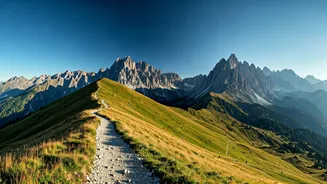
While we can't control the weather, we can change how we respond to it. As climate change continues to disrupt long-established patterns, rigid adherence to old trekking calendars will likely lead to more disappointment. The shift towards dry-sky planning reflects a broader understanding that mountain environments are in flux. It requires more research and a willingness to be spontaneous, but the reward is a greater chance of experiencing the mountains at their best. This approach empowers travellers to work with nature, not against it, ensuring that the thrill of a clear mountain vista remains an achievable goal, even in an age of climatic uncertainty.