


The Building Blocks of Your Body
At the heart of every bodily function are proteins, and the building blocks of these proteins are called amino acids. Your body uses them for everything, from building and repairing muscle tissue to producing vital enzymes and hormones. There are twenty
amino acids in total, but nine are considered 'essential'. The body cannot produce these nine on its own, so they must come from the food we eat. These essential amino acids are histidine, isoleucine, leucine, lysine, methionine, phenylalanine, threonine, tryptophan, and valine. For processes like muscle repair to happen efficiently, your body needs access to all nine of these essential amino acids at the same time.
The Power of a Complete Protein
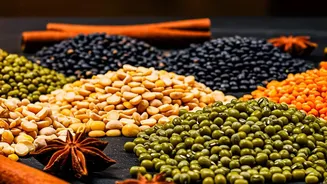
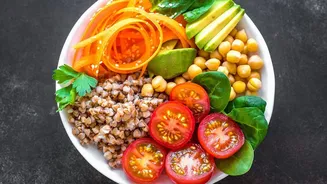
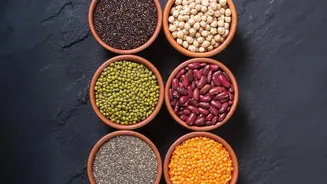
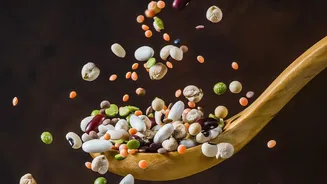
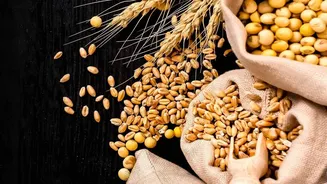
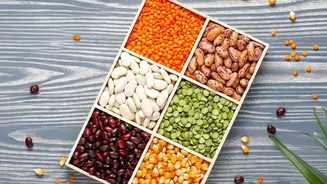
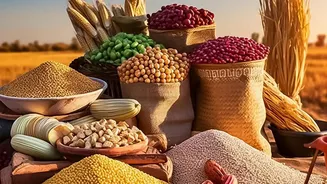
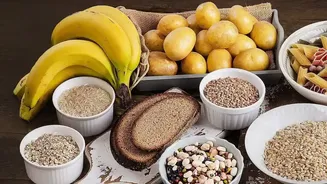
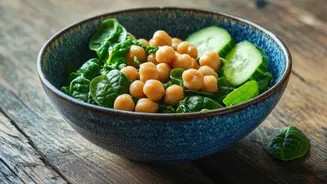
A 'complete protein' is a food source that contains all nine essential amino acids in sufficient amounts. While many animal-based foods like meat, eggs, and dairy are complete proteins, most plant-based foods are considered 'incomplete'. This term can be misleading. Most plant foods actually contain all nine essential amino acids, but they are often low in one or two specific ones. For example, whole grains like wheat and rice are typically low in the amino acid lysine. On the other hand, legumes like dals, chickpeas, and beans are rich in lysine but tend to be lower in methionine. This is where the concept of protein complementation comes in. By pairing these foods together, their amino acid profiles fill each other's gaps.
Why It Matters for Recovery
When you exercise, especially with strength training, your muscles experience tiny micro-tears. This is a normal part of getting stronger. The recovery process involves repairing this damage, and for that, your body needs a ready supply of amino acids. If any of the essential amino acid 'building blocks' are missing, this repair process can slow down. The amino acid leucine is particularly important, as it acts as a signal to kickstart muscle protein synthesis—the process of building new muscle. However, leucine needs the other eight essential amino acids to be present to complete the job. By ensuring your meals contain a full set of amino acids, you provide your body with all the raw materials it needs to repair muscle tissue, reduce soreness, and adapt to your training.
Traditional Wisdom on Your Plate
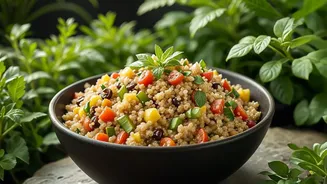
The beauty of this nutritional strategy is that it has been an intuitive part of traditional Indian cuisine for centuries. Long before the science of amino acids was understood, the combination of grains and legumes was a dietary staple, providing balanced and sustaining meals. This wisdom is reflected in some of the most comforting and beloved dishes across the country. The simple pairing of dal and rice, for instance, is a perfect example of protein complementation in action. The rice provides the methionine that the dal lacks, and the dal provides the lysine that is low in rice, creating a meal with a complete amino acid profile.
Classic Pairings for a Complete Meal
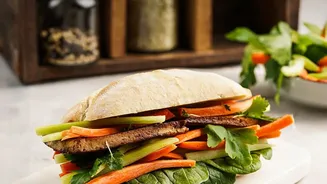
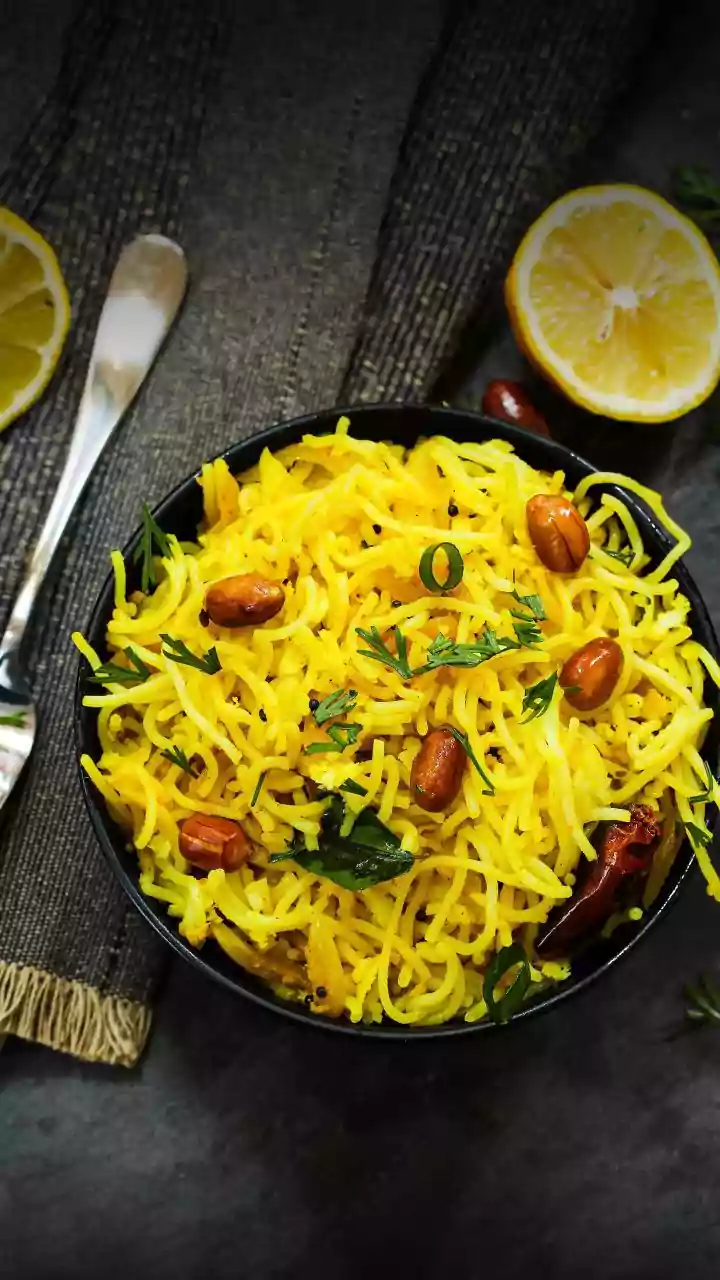
You are likely already eating complete proteins without even thinking about it. Roti or chapati (wheat) served with chana masala (chickpeas) or rajma (kidney beans) is a classic North Indian combination that perfectly balances amino acids. In the south, idli and dosa, made from a fermented batter of rice and urad dal, are served with sambar, a lentil-based stew, achieving the same nutritional synergy. Even a simple peanut butter sandwich on whole wheat bread is an effective pairing. Other examples include khichdi, which combines rice and moong dal, and dishes that pair millets like bajra or jowar with various dals and legumes. These combinations ensure that a vegetarian diet can easily support not just daily health, but also the increased demands of physical recovery.