





The Science of a Simple Soak
Dried pulses are essentially dormant seeds, hard and dehydrated. The primary goal of soaking is to rehydrate them before they even hit the heat. When you immerse pulses in water, they begin to absorb it, softening their tough outer skins and the starches
within. This pre-softening gives the cooking process a significant head start. Heat can then penetrate the pulse more quickly and evenly, dramatically reducing the time it spends bubbling on the stove or in the pressure cooker. Without soaking, the heat has to do all the work of both hydrating and cooking, which is why unsoaked rajma can seem to cook forever. Think of it as waking the seed up and getting it ready to cook.
More Than Just Saving Time
The benefits of soaking go far beyond a shorter cooking time. Many people experience bloating or gas after eating beans and legumes. This is often caused by complex sugars called oligosaccharides. Soaking helps break down these compounds, a significant portion of which dissolve into the soaking water. By discarding this water and cooking with fresh water, you can make pulses much easier on your digestive system. Furthermore, pulses contain substances like phytic acid and tannins, often called 'anti-nutrients', which can hinder your body's ability to absorb minerals like iron and zinc. The soaking process activates enzymes within the pulses that help neutralise these compounds, unlocking more of their nutritional value for your body to use.
A Soaking Guide for Your Kitchen
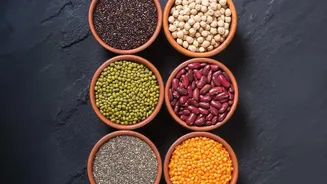
Not all pulses are created equal, and their soaking times vary. The general rule is the bigger and tougher the pulse, the longer the soak it needs. For heavy, dense pulses like Rajma (kidney beans) and Chhole/Kabuli Chana (chickpeas), an overnight soak of 8-12 hours is ideal. Whole pulses with their skins intact, such as whole Urad (black gram) or whole Moong (green gram), benefit greatly from a 6-8 hour soak. Denser split pulses like Chana Dal (split Bengal gram) need around 4-6 hours to soften up properly. For lighter split pulses like Toor/Arhar Dal (split pigeon peas), a shorter soak of 30-60 minutes is often sufficient to notice a difference. The freshness of the dal also matters; older, drier pulses will always need a longer soak.
The 'No-Soak' List
While soaking is beneficial for many, it's not a mandatory step for every type of dal. Smaller, split pulses cook relatively quickly on their own and don't necessarily require a long soak. The most common examples are Masoor Dal (red/orange lentils) and split Moong Dal (yellow lentils). These dals are usually skinned and split, which means water can penetrate them very easily during cooking. They can go from dry to cooked in as little as 15-20 minutes without any pre-soaking. That said, even a quick 15-30 minute soak while you prepare your other ingredients can help make them even easier to digest, though it's not essential for texture or cooking time.
Tips for the Perfect Soak
To get the most out of soaking, a few best practices can help. First, always rinse your pulses thoroughly in a few changes of water to remove any dust or debris before you set them to soak. Use plenty of water, as the pulses will swell to at least double their size. A good ratio is at least three parts water to one part dal. After soaking, it's generally recommended to discard the soaking water—which contains the gas-causing compounds—and cook the pulses in fresh water. And what if you forget to soak your rajma overnight? A 'quick soak' method can save the day. Simply cover the beans with water in a pot, bring it to a boil for a few minutes, then turn off the heat and let them sit, covered, for about an hour before cooking.