







The High Cost of Sitting Still
Our bodies are designed for movement, yet many of us spend upwards of eight hours a day in a chair. This sedentary lifestyle, a hallmark of office jobs, is linked to a host of health problems that go far beyond a sore back. Research has connected prolonged
sitting to an increased risk of obesity, type 2 diabetes, cardiovascular disease, and even certain types of cancer. Studies show that sitting for over eight hours a day with no physical activity carries a mortality risk similar to that posed by obesity and smoking. It’s not just about long-term diseases; sitting for hours impacts your daily performance, leading to mental fatigue, reduced focus, and a drop in overall energy levels. This slow burn of health and productivity is the hidden tax on our desk-bound careers.
What is a Micro-Break, Really?
When we talk about breaks, many think of a 15-minute coffee run or a half-hour lunch. A micro-break is different. It’s a short, intentional pause from your task, typically lasting from 30 seconds to five minutes. The key is frequency. The goal is to interrupt long periods of sitting and sustained focus every 30 to 60 minutes. A micro-break isn't about scrolling through social media or switching to another work task. It’s about physically and mentally disengaging, even for a moment. This could be as simple as standing up to stretch, walking to the water cooler, or just looking out a window for a minute. Think of it as a system reboot for your mind and body—quick, targeted, and surprisingly effective.
The Science-Backed Power of a Short Pause
Don’t underestimate the power of a two-minute break. These brief pauses deliver significant benefits. Physically, they combat the negative effects of being sedentary by improving blood circulation, reducing muscle tension, and alleviating eye strain. Mentally, they are just as crucial. Taking a short break has been shown to reduce stress, prevent burnout, and restore focus and concentration. Research suggests that our brains are not wired for sustained focus on a single task for hours on end; performance naturally declines after about 90 minutes. Micro-breaks prevent this mental fatigue, allowing you to return to your work with renewed energy and a sharper mind. Studies have found they can boost productivity and improve mood, making your workday not just healthier but more enjoyable.
How to Build Your Micro-Break Discipline
Knowing you should take breaks is easy; actually doing it is the hard part. The key is to build a structured habit. Start by using a timer or an app to remind you to take a 1-2 minute break every 30 or 40 minutes. This technique, similar to the Pomodoro method, removes the guesswork. Another strategy is to 'habit stack' by linking a micro-break to an existing routine, like standing up every time you take a phone call. Make movement necessary: move your printer further away or use a smaller water bottle that requires more frequent refills. It can also help to find a 'break buddy' at work to keep each other accountable. The most important step is to ditch the guilt. Many workers feel bad about taking breaks, but research shows they make you more effective, not less. View these pauses as a vital part of your work, not a distraction from it.
Simple Micro-Breaks You Can Do at Your Desk
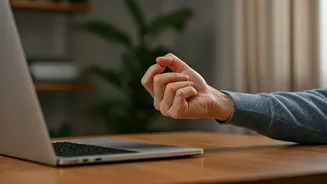
You don't need a gym or a lot of space to have a successful micro-break. Many effective exercises can be done right at your workstation. Shoulder and Neck Release: Slowly roll your shoulders backward five times, then forward. Gently tilt your head from side to side, holding for a few seconds. This releases tension in the trapezius muscles. Wrist and Finger Refresher: Extend your arms and gently bend your wrists up and down. Make a tight fist and then spread your fingers wide. Repeat this five times to combat typing strain. Seated Spinal Twist: Sit tall and place your right hand on your left knee. Gently twist to look over your left shoulder, holding for ten seconds. Repeat on the other side. This helps rehydrate spinal discs. Stand and Stretch: Simply standing up is a powerful micro-break. While standing, reach your arms overhead for a full-body stretch. * Look Away: To combat eye strain, follow the 20-20-20 rule: every 20 minutes, look at something 20 feet away for 20 seconds. Or simply look out a window for a minute.