









From Sightseeing to 'Sight-Doing'
For decades, travel was often a race to accumulate sights, moving from one monument to the next. Today, a significant shift is underway, with travellers prioritising participation over passive observation. This is the core of experience-led travel, also
known as experiential or immersive travel. It’s the difference between seeing a vineyard in Tuscany and joining a local family for a harvest and wine-tasting. Instead of just visiting Tokyo, it’s about learning the secrets of ramen from a local chef. This approach is about engaging with a destination’s culture, history, and community on a deeper, more personal level. Travellers are no longer just asking, “Where can I go?” but rather, “What can I do, learn, and feel?” This has transformed travel from a passive activity into an active pursuit of connection and personal growth.
The Psychology of a Meaningful Return
Why does an experience make someone more likely to return than a landmark? The answer lies in psychology. While seeing a famous site is memorable, participating in an activity creates a much stronger emotional bond and a unique personal story. These hands-on moments—whether it's learning a traditional craft, taking a cooking class, or volunteering with a local project—become part of our own identity. This fosters a powerful sense of attachment to a place that simple sightseeing cannot replicate. Researchers note that first-time visitors are often driven by novelty, but repeat visitors are motivated by familiarity, nostalgia, and a desire for emotional reinforcement. An immersive experience provides that meaningful connection, turning a generic spot on the map into a place of personal significance that calls you back.
What Experiential Travel Looks Like
The options for immersive travel are as diverse as the world itself. In India, it could mean leaving the well-trodden Golden Triangle for a block-printing workshop in a Rajasthani village or exploring the culinary heritage of Chettinad through home-hosted meals. Globally, travellers are seeking out unique adventures that connect them to a place's soul. This includes everything from 'set-jetting' to visit filming locations of popular shows, to 'noctourism,' which involves exploring a city's life after dark. Other popular examples include learning martial arts in Japan, joining an ethical safari that supports conservation in Tanzania, or staying in a locally-owned guesthouse where you can learn to cook regional dishes from your hosts. These activities provide stories and skills that last far longer than a typical souvenir.
A Reshaped Travel Industry
The travel industry has taken note of this profound shift in consumer desire. The experiential travel market is now one of the fastest-growing segments in tourism, with estimates suggesting its value in the trillions of dollars. Hotels and tour operators are moving beyond just providing amenities and are now curating unique local experiences to attract and retain guests. This can range from offering guided tours to artists' studios and local markets to hosting on-site classes in dance, music, or language. By focusing on authenticity and connection, these businesses gain a competitive edge and build stronger guest loyalty, as a unique experience is more memorable than a standard hotel room.
How to Plan Your Own Immersive Trip
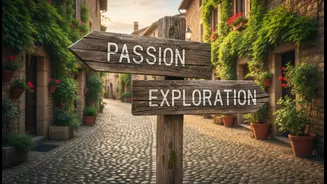
Ready to trade your checklist for a deeper connection? Planning an experience-led trip is easier than ever. Start by thinking about your passions. Are you a foodie, an art lover, an adventurer? Look for workshops, classes, or tours that align with your interests. Prioritise staying in locally-owned guesthouses or homestays to get authentic recommendations and a real sense of daily life. Travel during the shoulder seasons to avoid crowds and have more meaningful interactions. Be flexible with your itinerary; some of the best moments come from unplanned conversations or wandering through a neighborhood without a map. The goal isn't to see everything, but to truly experience something.