






So, What Exactly Are Ceramides?
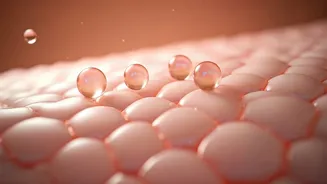
Think of your skin as a brick wall. The skin cells are the 'bricks,' and the lipids (fats) between them are the 'mortar' that holds everything together. Ceramides are a major component of this mortar, making up about 50% of your skin's outer layer, also
known as the stratum corneum or skin barrier. These waxy lipid molecules are naturally produced by your skin and are absolutely crucial for its function. They are the unsung heroes working behind the scenes to keep your skin healthy, hydrated, and protected from the outside world.
The Skin Barrier's Best Friend
A strong, intact skin barrier does two main things: it keeps good stuff in (like water) and bad stuff out (like pollutants and irritants). When your ceramide levels are optimal, your skin feels soft, smooth, and hydrated. But when these levels drop, that 'mortar' starts to develop cracks. This leads to a compromised skin barrier, which can manifest as dryness, flakiness, redness, irritation, and increased sensitivity. Factors like ageing, sun exposure, harsh weather, and using overly aggressive skincare products (like strong exfoliants or cleansers) can all deplete your skin's natural ceramide supply. For those living in Indian cities, daily exposure to pollution and fluctuating humidity can also take a toll on the skin barrier, making ceramides even more important.
Why the Sudden Hype?
Ceramides aren't a new discovery, but their recent surge in popularity is tied to a larger shift in skincare philosophy. For years, the focus was on aggressive treatments—harsh scrubs, potent acids, and maximum-strength everything. While these have their place, many people overdid it, leading to widespread skin irritation and damaged barriers. The new wave in skincare is all about 'barrier repair' and supporting the skin's natural functions. Consumers are more educated than ever, seeking gentle, effective ingredients that strengthen the skin rather than stripping it. Ceramides are the poster child for this movement. They represent a return to basics, focusing on health and resilience over quick, often irritating, fixes.
How to Find Ceramides in Your Skincare
Looking for ceramides on an ingredients list is straightforward once you know what to spot. You'll often see them listed as 'Ceramide' followed by letters (like Ceramide NP, Ceramide AP, or Ceramide EOP). Some products may also list 'phytosphingosine' or 'sphingosine,' which are precursors that help the skin produce its own ceramides. Don't be discouraged if they appear lower on the ingredients list; they are effective even at lower concentrations. They are most commonly found in moisturisers, creams, and serums, as these leave-on formulas give the ingredient time to work its magic.
Adding Them to Your Routine
Incorporating ceramides is incredibly easy because they are so agreeable. They are not 'active' ingredients in the way that retinol or Vitamin C are, meaning they won't cause purging or sensitivity. You can use them day or night. They work beautifully alongside most other skincare ingredients. In fact, they can help your skin better tolerate stronger actives by reinforcing the skin barrier. A ceramide-rich moisturiser is a fantastic final step in any routine to lock in hydration. For an extra boost, especially if your skin is feeling particularly dry or sensitised, consider a dedicated ceramide serum applied before your cream.
Who Benefits Most?
The short answer is: almost everyone. Because ceramides are 'skin-identical' (meaning our skin already makes them), they are well-tolerated by all skin types. However, they are particularly game-changing for certain people. If you have naturally dry or dehydrated skin, you'll notice a significant improvement in comfort and hydration. They are a holy grail for anyone with a compromised skin barrier, whether from over-exfoliation or environmental stress. Furthermore, individuals with skin conditions like eczema or psoriasis, which are characterized by a dysfunctional skin barrier, can find great relief and support from ceramide-based products.