




The Rain Shadow Advantage
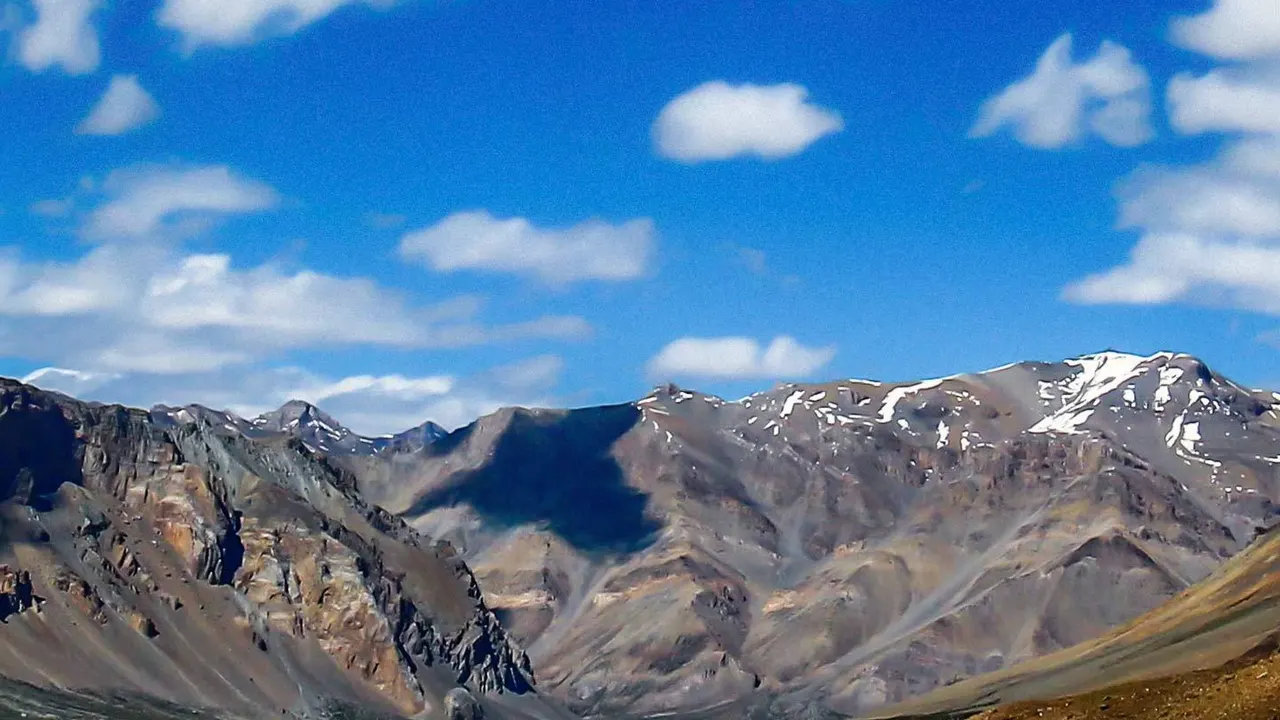
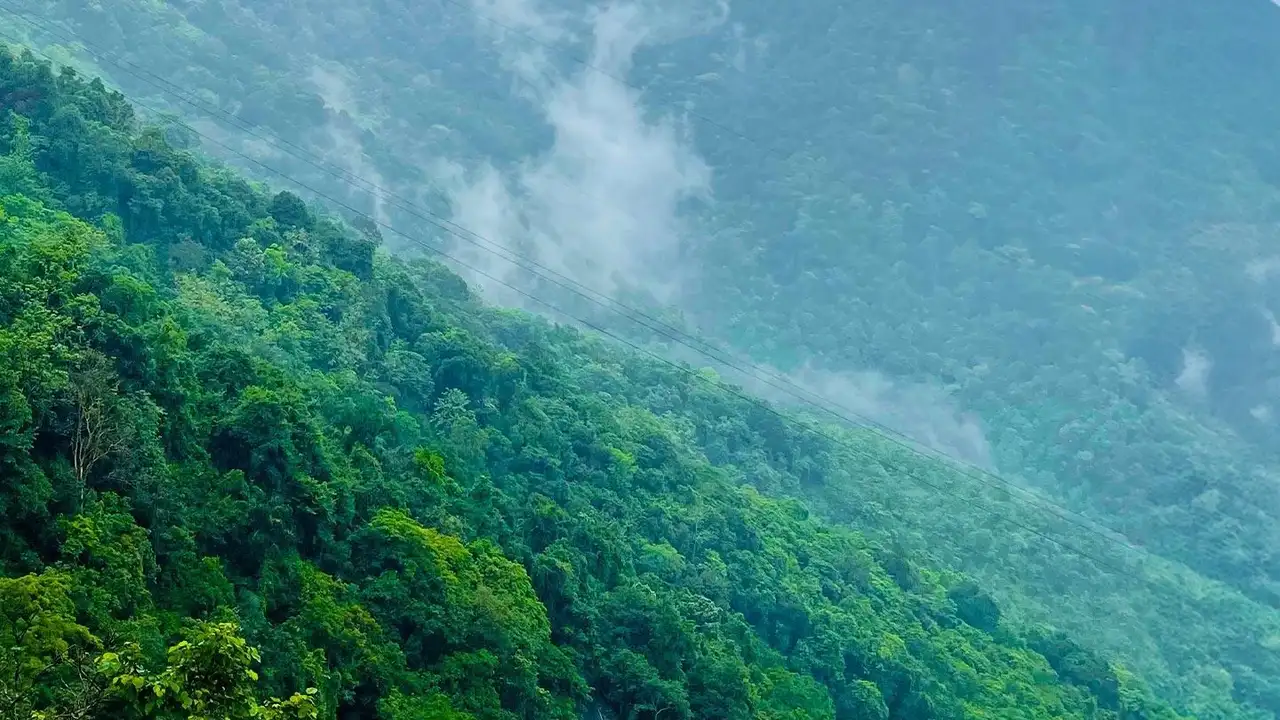
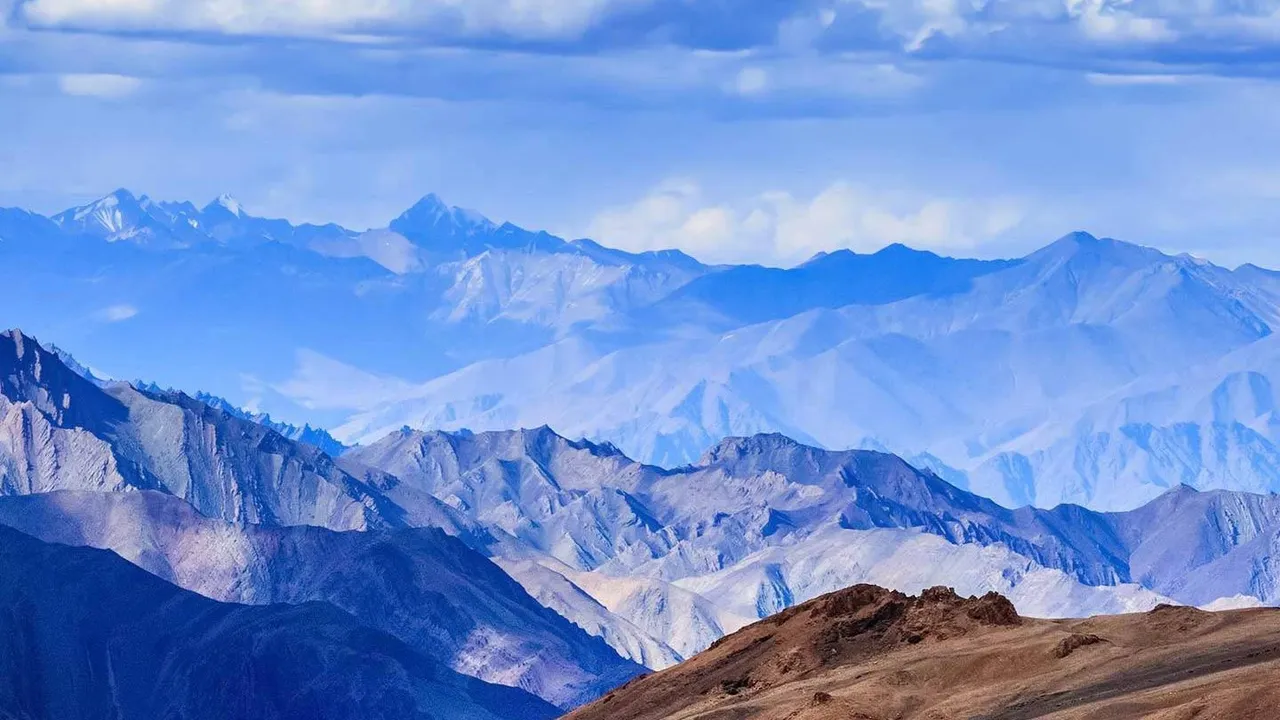
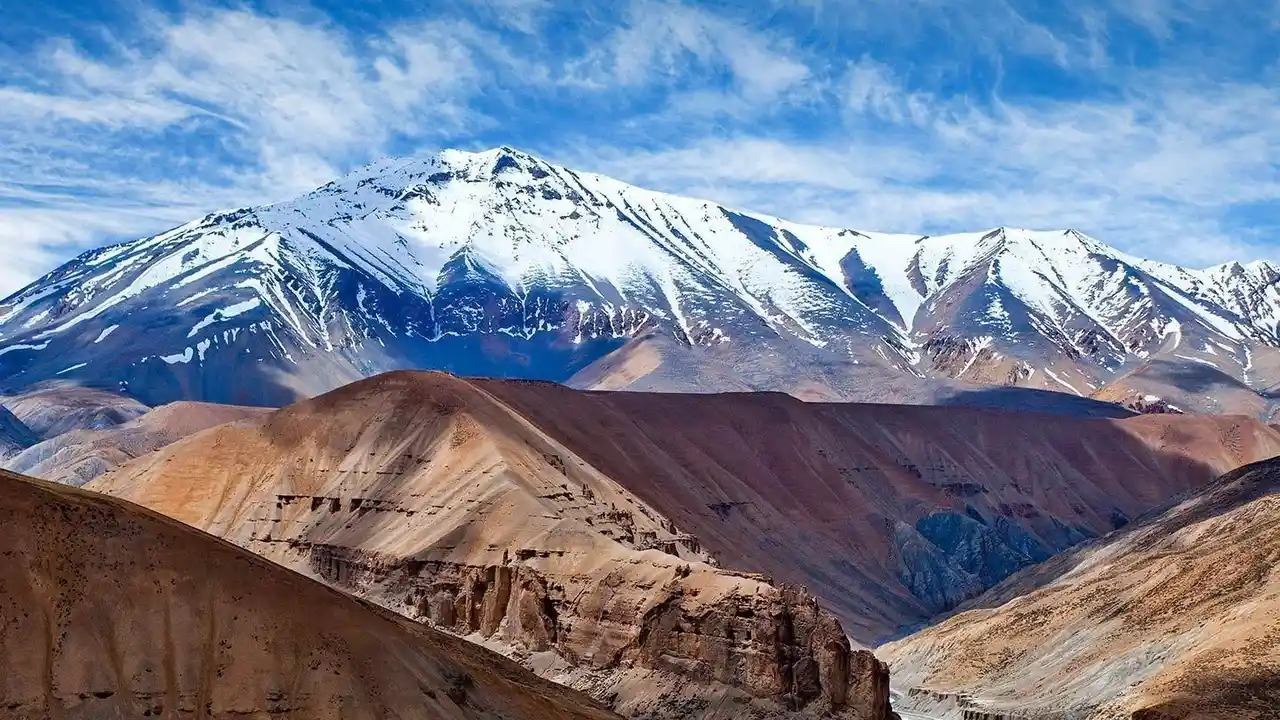
The secret to Ladakh's pleasant August weather lies in its unique geography. Tucked behind the mighty Himalayan and Zanskar ranges, it sits in a rain shadow area. This means the moisture-laden monsoon clouds that bring heavy rainfall to places like Goa,
Kerala, and Himachal Pradesh are blocked by the towering peaks. By the time the clouds cross into Ladakh, they have shed most of their moisture, resulting in a dry, arid climate. While the rest of India experiences its wettest period, Ladakh enjoys warm sunny days with minimal precipitation, making it an ideal destination for outdoor activities. Daytime temperatures in Leh can be a comfortable 15°C to 25°C, though they drop significantly at night and at higher altitudes, so packing layers is essential.
Top Experiences in a Sun-Drenched Landscape
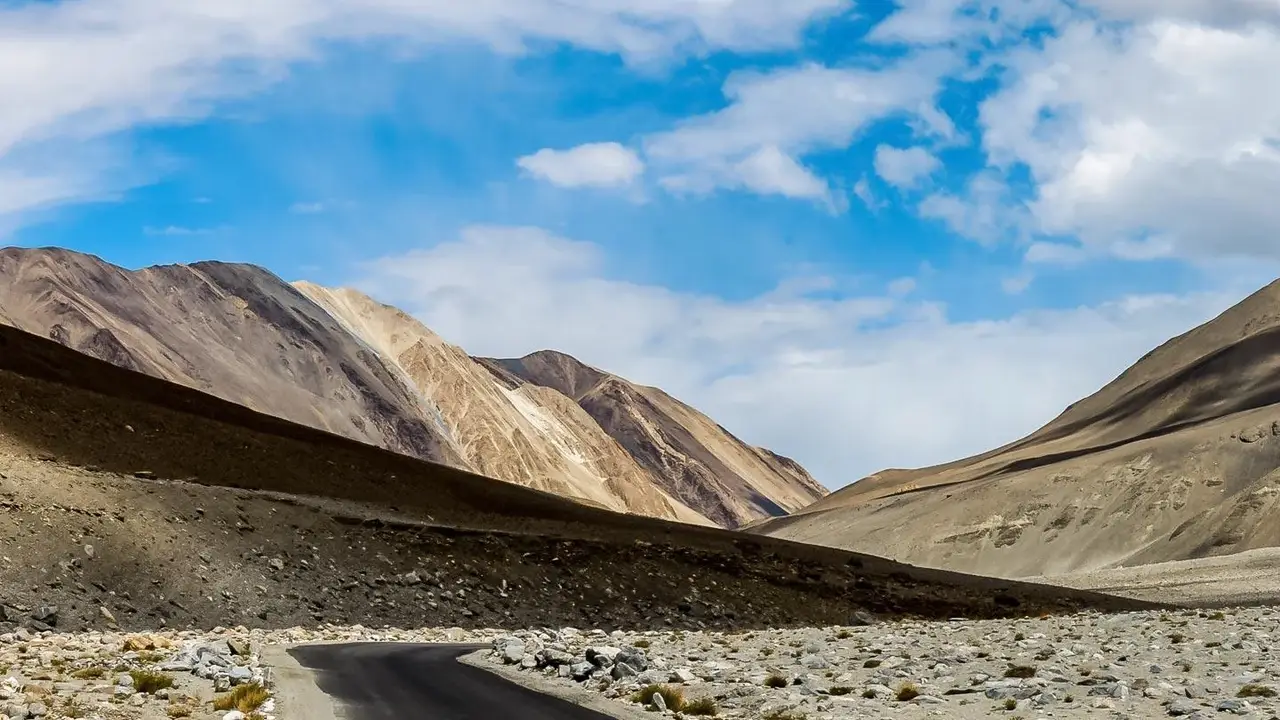
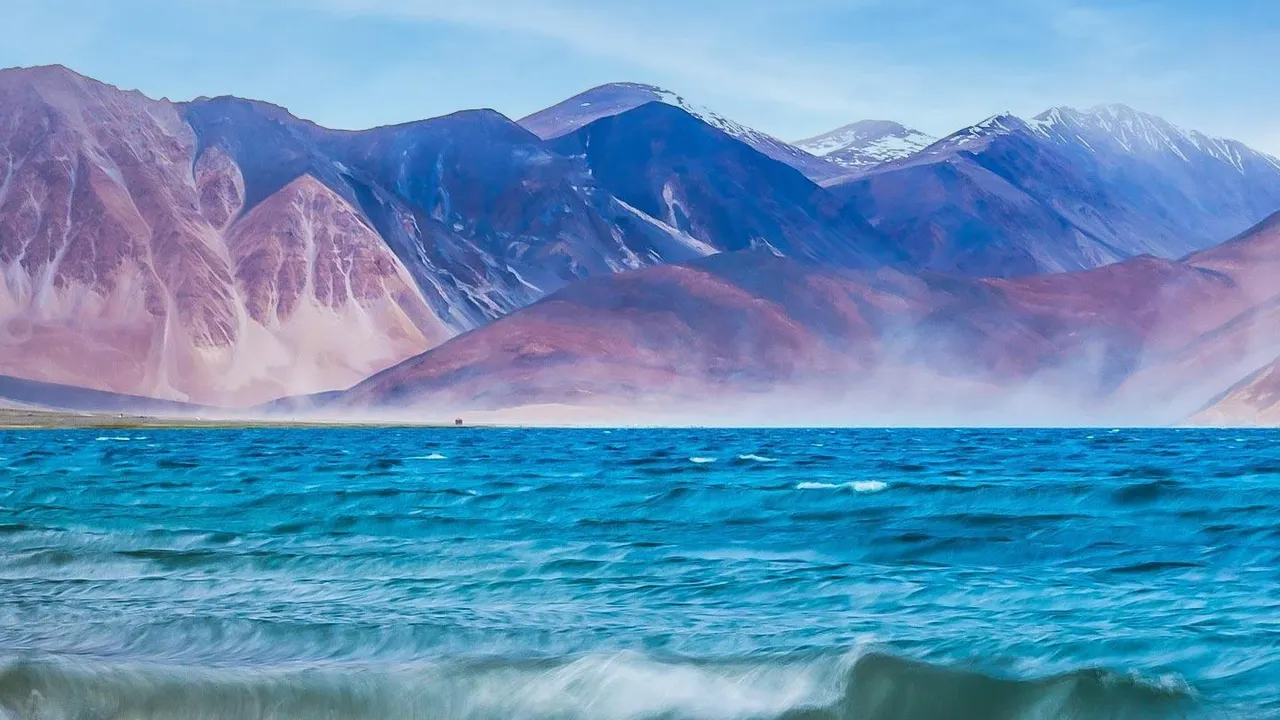
August is peak season for a reason: accessibility and adventure. The region's high-altitude passes, including Khardung La and Chang La, are typically clear of snow, allowing for spectacular road trips to the Nubra Valley and Pangong Tso. In Nubra, you can explore the sand dunes of Hunder on a double-humped camel and visit the serene Diskit Monastery. The iconic Pangong Lake, with its ever-changing shades of blue, is a must-see, and camping nearby offers unparalleled stargazing opportunities. Adventure seekers can indulge in thrilling white-water rafting on the Zanskar and Indus rivers, or take on popular treks like the Markha Valley trek, which is in prime condition this time of year.
Cultural Immersion and Festivals
Beyond the landscapes, August provides opportunities to witness Ladakh's vibrant culture. Several monastic festivals, known for their colourful masked dances (Chams), often take place during this period. Keep an eye out for events like the Korzok Gustor at Tso Moriri and the Takthok Tsechu at the Takthok Monastery, though dates vary based on the Tibetan lunar calendar. A visit to the region's ancient monasteries is essential. Thiksey Monastery, resembling the Potala Palace in Lhasa, offers stunning dawn views, while Hemis Monastery, the largest in Ladakh, provides a deep dive into Buddhist heritage.
Crucial Tips for a High-Altitude Trip
The most critical aspect of any Ladakh trip is acclimatization. Leh sits at an altitude of over 3,500 metres (11,500 feet), where oxygen levels are significantly lower. To prevent Acute Mountain Sickness (AMS), it is vital to rest completely for the first 24 to 48 hours upon arrival in Leh. Do not rush to higher altitudes like Pangong Lake or Nubra Valley. Stay hydrated by drinking at least 3-4 litres of water daily, eat light meals, and avoid alcohol for the first few days. Common symptoms of AMS include headache, nausea, and dizziness; if they persist or worsen, do not ascend further. Planning a slow itinerary is the best way to ensure a safe and enjoyable journey.