



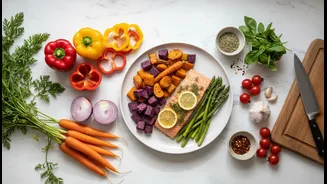


The Pre-Storage Triage
The most effective way to combat kitchen waste is to deal with vulnerable items the moment you get them home. Before you even think about putting groceries away, perform a quick triage. Separate items that are already bruised, very ripe, or close to their
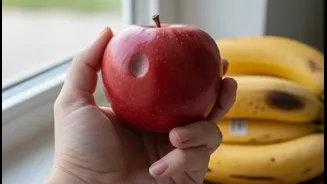
'use-by' date. These are not candidates for long-term storage; they are ingredients for your next one or two meals. For example, a slightly soft tomato or a bruised apple shouldn’t be buried in the crisper drawer. Instead, set it aside on the counter as a visual reminder to use it quickly. This simple act of sorting transforms your grocery unpacking from a chore into a strategic first step in waste prevention.
Create an 'Eat Me First' Zone
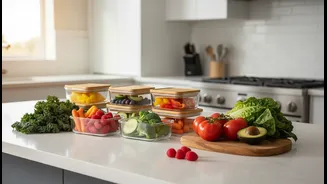
One of the most popular and effective strategies is to designate a specific area in your fridge as an 'Eat Me First' zone. This can be a clear bin, a basket, or even just a dedicated shelf that is highly visible and at eye level. Place all those items you identified during your pre-storage triage here: leftovers, half an onion, yogurt tubs nearing their date, and produce that needs attention. Labeling the bin makes it clear to everyone in the household what to reach for when looking for a snack or planning a meal. This simple system prevents perfectly good food from getting lost in the back of the fridge and becoming a science experiment.
Embrace the Imperfect
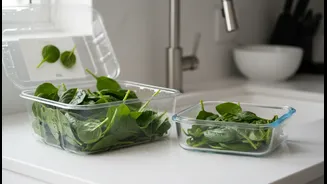
Bruised or slightly wilted produce isn’t a lost cause; it's an opportunity. These items are often perfect for cooked dishes where their cosmetic flaws won't matter. Slightly soft berries or browning bananas are ideal for smoothies. Wilted greens can be revived with a 15-minute soak in ice water or tossed into soups, stews, and omelettes. Bruised apples or pears can be stewed into a quick sauce or baked into a dessert. By having a plan for these items, you can use them immediately instead of watching them deteriorate further. This shift in mindset from seeing imperfection as a flaw to seeing it as a call to action is crucial for a low-waste kitchen.
Decoding Date Labels
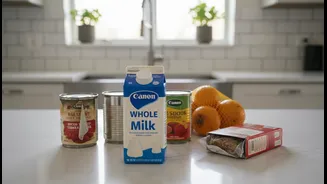
Confusion over date labels contributes to a significant amount of household food waste. It's important to understand what they mean. A 'Sell-By' date is for the retailer, not a safety guide for the consumer. A 'Best if Used By' date indicates when a product will have its best flavor and quality, but it is not a hard-and-fast expiration date. Most foods are still safe to eat past this date if they have been stored properly and show no signs of spoilage. The 'Use-By' date is the last date recommended for peak quality, and it is only a critical safety date for infant formula. Use your senses; if a food looks, smells, and tastes fine, it's usually okay to eat.
Leverage Low-Tech and High-Tech Helpers
Making this process easier can be as simple as keeping a whiteboard on your fridge to list items in your 'Eat Me First' box. Some people also find success with apps that help track pantry inventory and send alerts for expiring items. Apps like FoodKeeper, Fridgely, and others can help you log groceries and get reminders before they spoil. Some even offer recipe suggestions based on what you need to use up. For those who want to get more advanced, smart tags with e-ink displays can be attached to containers to show remaining shelf life. Whether you choose a pen-and-paper method or a digital solution, the goal is the same: to keep vulnerable food top of mind.